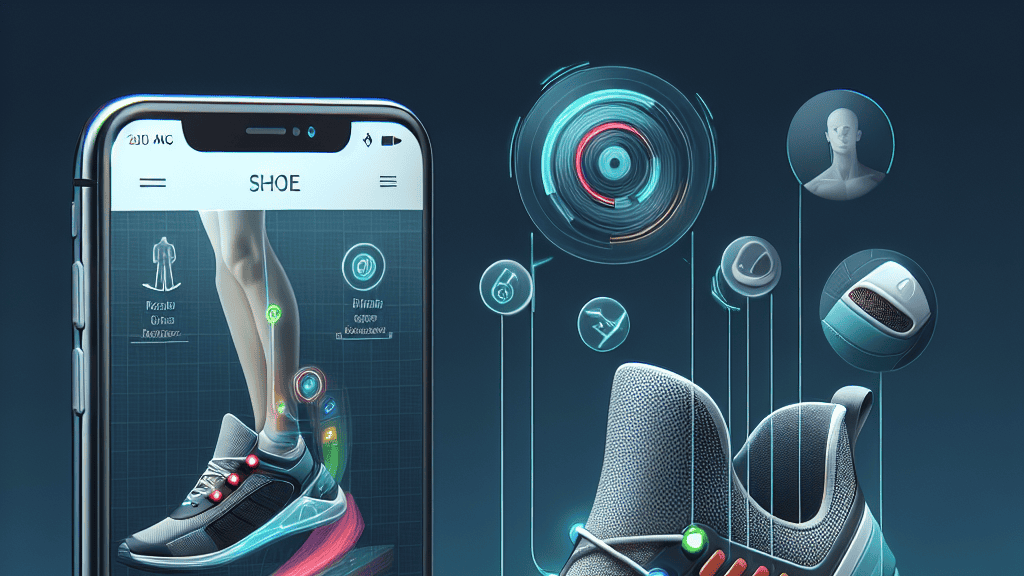
What if your shoes could tell you how to walk better? Picture a pair of shoes that not only feel comfy but also help you improve your walking pattern—making your daily strolls smoother and healthier. These are not just any shoes; they are smart, thanks to flexible sensors made from Ecoflex and Graphene composites. Imagine slipping into these shoes and having each step monitored and analyzed for better foot health and even rehabilitation support.
Behind this innovation is a clever design that sandwiches a composite material between electrodes, creating sensors that detect pressure changes with high accuracy. The sensor’s job is to monitor how pressure shifts as you walk, helping to pinpoint issues like incorrect gait or foot disorders. These sensors are placed strategically in a shoe sole and wirelessly connect to a mobile app, offering real-time insights you can view on your phone or laptop.
The potential uses of these smart shoes are fantastic. Think about patients recovering from injuries—these shoes could guide their rehab by showing them which part of their foot needs attention or adjusting. Or, they might help prevent future issues by ensuring every step is just right. It’s like having a personal, high-tech foot trainer that makes sure you’re moving in the best way possible, keeping you healthy and active longer.
The pressure sensors in these smart shoes change resistance with pressure, meaning they can sense precisely how your weight shifts with each step!
FAQs
What makes flexible pressure sensors in smart shoes special for foot health?
Flexible pressure sensors in smart shoes adapt to foot movements and help analyze gait, providing feedback for improving walking patterns and aiding foot disorder rehabilitation.
How are these sensors integrated into rehabilitation processes?
The sensors monitor and report gait data in real-time to a mobile app, allowing therapists to tailor rehabilitation exercises based on accurate feedback from the patient’s movements.
Can this technology help with conditions besides foot disorders?
Yes, this technology could benefit people with neuromotor diseases by providing detailed gait analysis, which is crucial for customizing therapeutic interventions.
How does the data from the sensors reach users for analysis?
The sensors are linked to an ESP32 microcontroller that wirelessly transmits data to a graphical interface or smartphones for easy monitoring and interpretation.
Are these smart shoes suitable for everyday use?
Yes, the smart shoes are designed to be comfortable for daily wear while offering advanced monitoring for both casual users and those needing rehabilitation support.
Background
Understanding pressure sensors involves knowing how they detect changes in resistance due to pressure. In these smart shoes, Ecoflex and Graphene composites are used to create a flexible sensor that captures the pressure distribution across the foot. When you step, the pressure changes, decreasing the sensor’s resistance, which is then converted into electrical signals for analysis. This technology allows for detailed monitoring of foot movements, essential for gait analysis and rehabilitation.
History
Pressure sensors have been around for a while, but recent advances in flexible materials like Ecoflex and Graphene have made them more adaptable to wearable tech. Previous studies have shown that monitoring pressure can aid in diagnosing gait problems, but earlier sensors were bulky and rigid. This study builds on those ideas by miniaturizing and optimizing sensors for practical use in everyday footwear, making real-time gait analysis accessible to more people.
Based on “Fabrication of Soft and Comfortable Pressure-Sensing Shoe Sole for Intuitive Monitoring of Human Quality Gaits” by Muhammad Adeel, Hasnain Ali, Afaque Manzoor Soomro, Muhammad Waqas, available on arXiv (arxiv.org/abs/2501.14193), used under CC BY 4.0 (creativecommons.org/licenses/by/4.0/).