





































































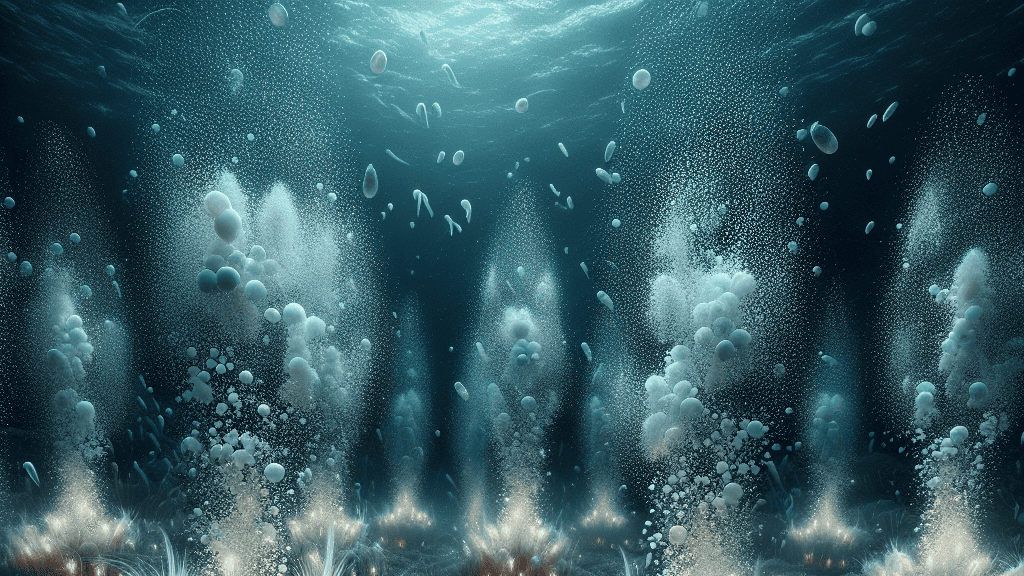
Imagine if tiny creatures at the bottom of the ocean could put on a dazzling light show, all thanks to their unique talents. Snapping shrimp, those small but mighty marine critters, have a fascinating ability: they can produce tiny bubbles that emit bright flashes of light as they collapse. This phenomenon, known as shrimpoluminescence, is like a natural underwater fireworks display, created by the shrimp’s powerful snapping action.
In our study, we dive deep into this spectacular event. We explore the secret behind how these bubbles light up, which involves a rapid collapse that traps heat and gets so hot that it actually ionizes the gas inside. The result? Electrifying light bursts are created through interactions between electrons and ions, a process with a tongue-twisting name: electron-ion bremsstrahlung. By understanding these dynamics, scientists can calculate the precise light spectrum emitted by these shrimp-made bubbles. It’s not just about the shrimp showing off; it’s a glimpse into complex physics at play!
Looking ahead, this research could inspire new ways to mimic natural light production. Imagine using similar principles to create sustainable lighting or even more efficient underwater exploration techniques. Harnessing the shrimp’s natural light display might lead us to innovate in surprising areas, letting us see the world in a more energy-efficient glow.
A single snapping shrimp claw snap can reach up to 210 decibels, louder than a gunshot!
FAQs
What is shrimpoluminescence and why is it exciting?
Shrimpoluminescence is the process where tiny bubbles produced by snapping shrimp emit light by collapsing. It’s fascinating because it transforms a mundane underwater event into a dazzling light show, showcasing the unique abilities of marine life.
How does the collapsing bubble produce light in shrimpoluminescence?
The collapsing bubble traps heat and gets so hot that it ionizes the gas inside, producing light through electron-ion bremsstrahlung. This process is similar to how light is emitted in high-energy environments.
Why is the study of shrimpoluminescence important?
Studying shrimpoluminescence helps scientists understand complex physical processes and could inspire new technologies in sustainable light production, ocean exploration, or even energy-efficient lighting solutions.
Are there real-world applications inspired by shrimpoluminescence?
Yes, the insights from shrimpoluminescence might lead to innovations in creating sustainable lighting or more efficient underwater exploration techniques, using natural light production principles.
How loud can a snapping shrimp’s snap get?
The sound from a snapping shrimp’s claw snap can reach up to 210 decibels, which is louder than a gunshot and is one of the loudest sounds produced by any marine creature.
Background
Snapping shrimp are marine animals known for their ability to make loud snapping sounds through a special mechanism in their claw. This snapping action creates bubbles that collapse to produce a flash of light, a phenomenon known as shrimpoluminescence. The process involves bremsstrahlung, where electrons emit energy, producing light when they interact with ions.
History
The concept of light emission from collapsing bubbles was first explored through studies of sonoluminescence, which happens when sound waves cause bubbles in a liquid to collapse and emit light. This research on snapping shrimp builds on those foundational studies but focuses on a specific biological creature, offering insights into natural and efficient light production mechanisms.
Based on “The Mechanism of Shrimpoluminescence” by Tyler C. Sterling, available on arXiv (arxiv.org/abs/2501.16176), used under CC BY 4.0 (creativecommons.org/licenses/by/4.0/).
