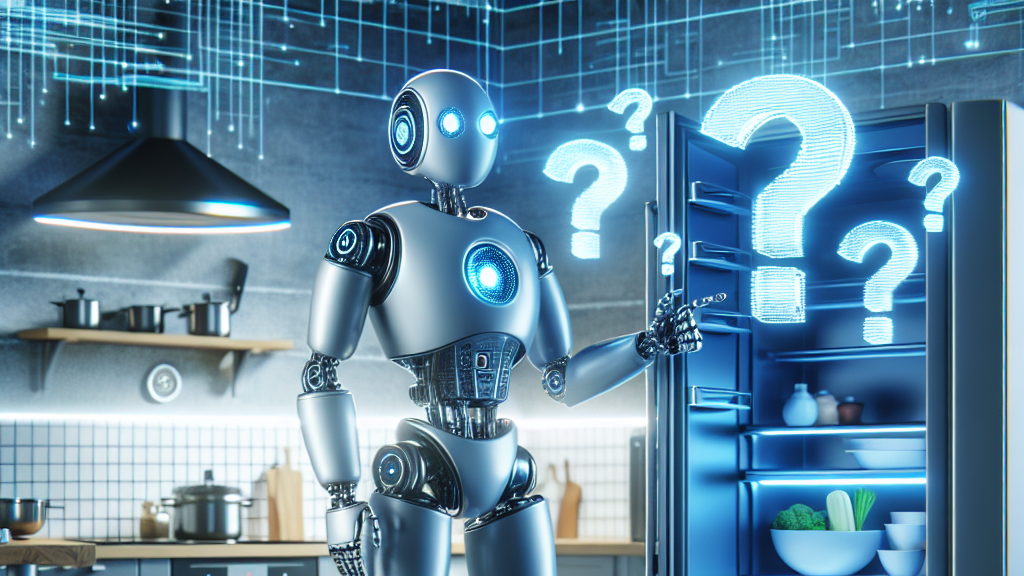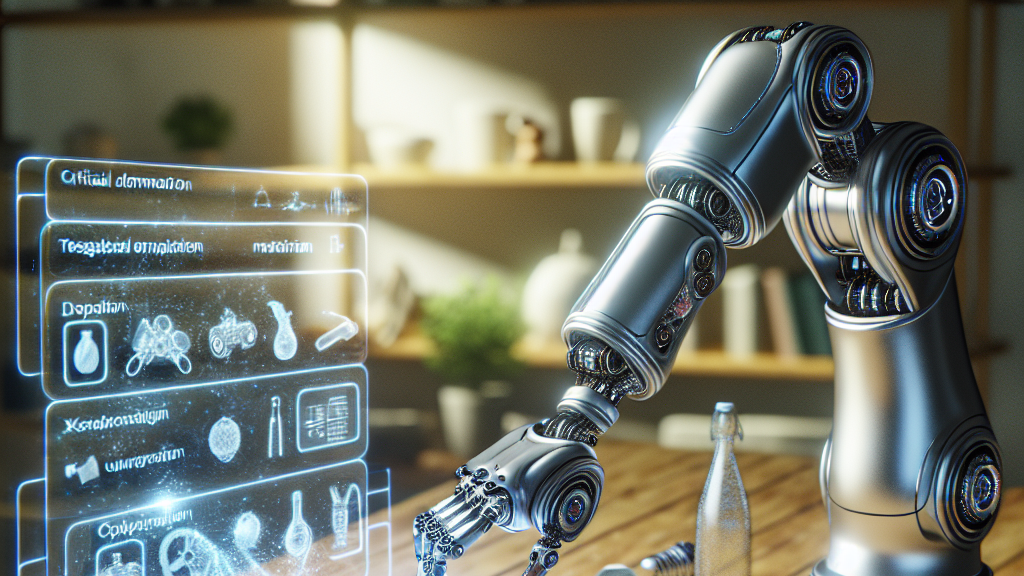
Imagine a world where robots can tell what an object is just by feeling it. That’s exactly what this new study has achieved. By using a robot, a smart computer model, and a giant database, scientists have created a way to teach robots how to discover key physical properties of objects—like their weight, what they’re made from, and how stiff they are—simply by touching and manipulating them.
The research developed a clever system that uses a robot to explore objects placed on a table. With help from a tool known as a Bayesian network, which acts like the world’s smartest guessing game, the system determines the best way for the robot to learn about each object. It decides which moves the robot should make to gather the most useful information. Over time, this process refines what the robot knows about different objects, getting better at recognizing their true nature, even when they try to fool it by looking like something they’re not.
Imagine if robots in your home or workplace could identify and categorize objects just by touching them. No more losing items because your robot assistant would know exactly where everything is just by feeling them. This could revolutionize industries like manufacturing and home automation, making robots more intuitive and capable than ever before.
Did you know robots can now ‘feel’ the weight and texture of objects? This ability helps them understand the world just like we do!
FAQs
How do robots learn about object properties using manipulation?
Robots learn about object properties by using a combination of touch-based exploration and a smart database that interprets the data using Bayesian networks. This allows them to determine properties like material, weight, and stiffness through interaction.
Why is it useful for robots to understand physical object properties?
Understanding object properties helps robots interact more naturally with their environments, improving efficiency in tasks like sorting, manufacturing, and even personal assistance at home.
How does the research deal with objects that might trick the robot?
The research uses intelligent algorithms that help robots identify objects with properties that don’t match their appearance, ensuring accuracy despite potential deception.
What is the role of the Bayesian network in this robotic framework?
The Bayesian network serves as a sophisticated decision-making tool that guides robots in choosing the best actions to learn more about an object, updating its understanding based on new information.
How does this technology affect the future of robot design?
This technology paves the way for more advanced robots that can seamlessly integrate into various settings, from homes to factories, making them more autonomous and capable.
Background
A Bayesian network is a type of mathematical model that helps make sense of uncertain information by taking into account the probability of different outcomes. In this study, it helps robots decide the best way to interact with objects to learn more about their properties. By gathering data through touch, robots use this model to update what they know based on the new information they collect.
History
The concept of robots learning about their environments has evolved significantly over the years, with advances in machine learning and artificial intelligence. Initially, robots were programmed with specific instructions, but breakthroughs in the areas of perception and learning have allowed them to make their own decisions based on sensory input. This research builds on previous work by integrating a massive database, sophisticated algorithms, and robotic exploration to elevate this learning process.
Based on “Interactive Learning of Physical Object Properties Through Robot Manipulation and Database of Object Measurements” by Andrej Kruzliak, Jiri Hartvich, Shubhan P. Patni, Lukas Rustler, Jan Kristof Behrens, Fares J. Abu-Dakka, Krystian Mikolajczyk, Ville Kyrki, Matej Hoffmann, available on arXiv (arxiv.org/abs/2404.07344), used under CC BY 4.0 (creativecommons.org/licenses/by/4.0/).