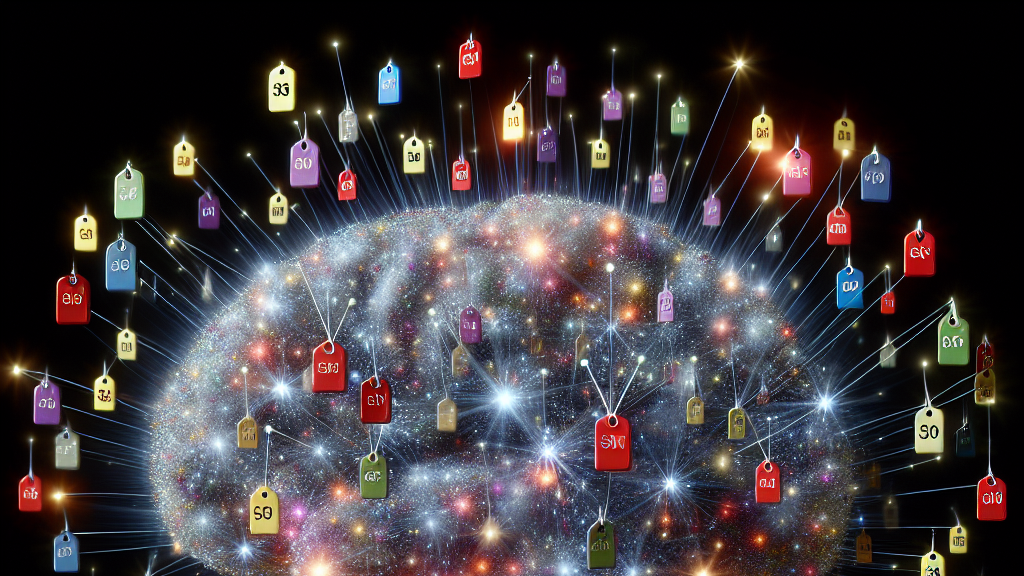
Ever wonder how companies decide what price to charge you online? You’re not alone! This intriguing research uncovers the mysterious world of data-driven pricing. Companies, especially big ones with lots of power, often gather mountains of data. They then use this info to set prices tailored to you. But hold up—is this really good for you, the consumer?
This study breaks down the complex math and theories into something we can all understand. The researchers explored how companies slice up the market based on your data, like your shopping habits and preferences. They found that sometimes collecting more data can actually make prices fairer by making sure you pay a price closer to your willingness to buy. Other times, it benefits only the company, letting them charge more for what you want.
In the future, this research might push lawmakers to set new rules on how data can be used, aiming to protect our wallets. Imagine a world where data isn’t just about higher profits for big businesses but actually helps everyday people get better deals. Now, wouldn’t that be a win-win?
Surprisingly, your online shopping habits can influence the price you pay, but sometimes less info about you could actually save you money!
FAQs
How can data collection by companies affect prices?
Companies use data collection to understand consumer behavior, allowing them to adjust prices based on what they believe you’re willing to pay.
Are there instances where more data could actually harm consumers?
Yes, if a company uses excess data to charge higher prices to consumers who are willing to pay more, it could harm overall consumer welfare.
Why would limiting data collection be beneficial?
Limiting data collection could prevent companies from engaging in extreme price discrimination, potentially leading to fairer prices for consumers.
What are potential benefits of this research on data collection and price discrimination?
This research could guide lawmakers to create policies that ensure data is used to benefit both consumers and companies fairly.
Can understanding this research help me save money?
Yes, by being aware of how your data might be used, you can make smarter choices about where and how you shop online.
Background
Data collection involves gathering personal information to understand customer behavior. Companies use this data to segment markets and tailor pricing strategies. This research focuses on how this segmentation, influenced by data availability, affects economic welfare—essentially, whether it leaves consumers better or worse off overall.
History
Price discrimination has been around for ages, but its methods evolved significantly with technology and data analytics. Earlier studies have focused on how businesses tailor prices, leading to economic debates about consumer benefits versus corporate profits. This study builds on that foundation by modeling when data-driven price strategies enhance or detract from overall welfare.
Based on “Good Data and Bad Data: The Welfare Effects of Price Discrimination” by Maryam Farboodi, Nima Haghpanah, Ali Shourideh, available on arXiv (arxiv.org/abs/2502.03641), used under CC BY 4.0 (creativecommons.org/licenses/by/4.0/).