Artificial Intelligence is a bit like a magic trick. You see two magicians pull out the same card, but you have no idea how they did it. Similarly, two intelligent systems might give the same answer, but arrive there in completely different ways. This could mean a lot when we rely on these systems in our everyday lives, like for navigation or stock recommendations.
This research is all about that hidden magic. It looks into how AI systems, even when trained on the exact same data, can develop entirely different ways of thinking or ‘internal structures.’ Imagine two students who studied from the same textbook, but one thinks creatively while the other just memorizes facts. Same information, different outcomes!
Understanding these differences is crucial. If we can map out and predict how systems interpret data, we can make them more reliable and safer. For instance, by knowing an AI used in self-driving cars operates with the most dependable internal structure, we guarantee fewer accidents and more secure travel options for everyone. It’s not just about what they do, but how they think!
Did you know? Even if two neural networks score the same on tests, they might think and solve problems entirely differently!
FAQs
Why is understanding AI’s internal structure important?
Understanding AI’s internal structure is crucial because two AI systems might give the same answer but do so through different reasoning paths. It ensures AI systems are predictable and safe for applications like self-driving cars or medical diagnosis.
What could happen if we ignore AI’s internal structure differences?
Ignoring AI’s internal structure could lead to unexpected behaviors, making them unreliable or even dangerous in critical situations like autonomous vehicles or robotics.
How does this research impact users directly?
This research can lead to more reliable and trustworthy AI systems, improving user safety and experience in everyday applications such as navigation, online recommendations, and automated customer support.
Do all neural networks behave differently, even with the same data?
Yes, each neural network can develop unique internal patterns and structures, leading to different behaviors or generalization in real-world scenarios, even if trained on the same data.
Can this research help improve AI trustworthiness?
Absolutely, by understanding and predicting AI behavior through internal structures, we can make AI systems more reliable and trustworthy for critical and everyday applications.
Background
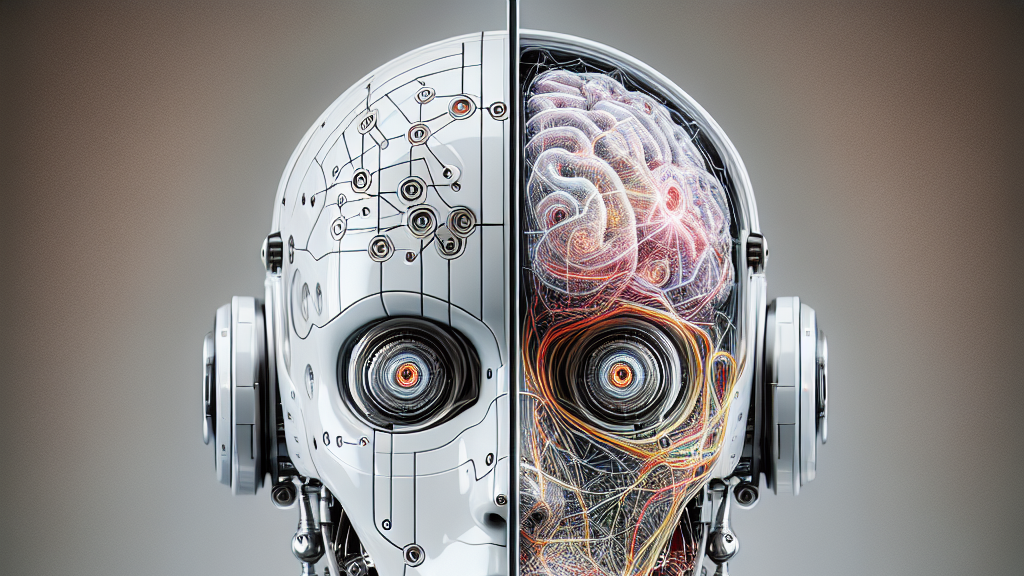
Artificial Intelligence (AI) operates using neural networks that ‘learn’ from data. These networks try to mimic the brain’s way of processing information. When trained with data, they create internal pathways or patterns to make decisions. However, since these pathways can vary, the same input might lead to different decisions. Understanding these structures is key to making AI safer and more reliable.
History
The study of neural networks dates back decades, with significant advances in understanding how machines can mimic human cognition. Early models focused on simple pattern recognition. However, as the complexity of tasks increased, so did the need to understand internal workings, leading to the current focus on AI alignment, or how AI’s decision-making processes align with human needs and intentions.
Based on “You Are What You Eat — AI Alignment Requires Understanding How Data Shapes Structure and Generalisation” by Simon Pepin Lehalleur, Jesse Hoogland, Matthew Farrugia-Roberts, Susan Wei, Alexander Gietelink Oldenziel, George Wang, Liam Carroll, Daniel Murfet, available on arXiv (arxiv.org/abs/2502.05475), used under CC BY 4.0 (creativecommons.org/licenses/by/4.0/).