These days, working from home is as common as morning coffee. But have you ever stopped to wonder if your home office is invading your personal space? When your living room doubles as a workspace, personal and professional worlds can collide in surprising (and sometimes uncomfortable) ways. Privacy issues are popping up everywhere, and this phenomenon matters more than you might think.
Experts conducted a survey with over 200 people who regularly work from home to dig deeper into these privacy concerns. They found that many workers are experiencing privacy invasions during online meetings, leading to discomfort and sometimes even distress, although major harm is rare. Surprisingly, some of the most unsettling scenarios were when workers weren’t allowed to turn off their cameras or microphones. It’s like having a boss sitting in your living room every day!
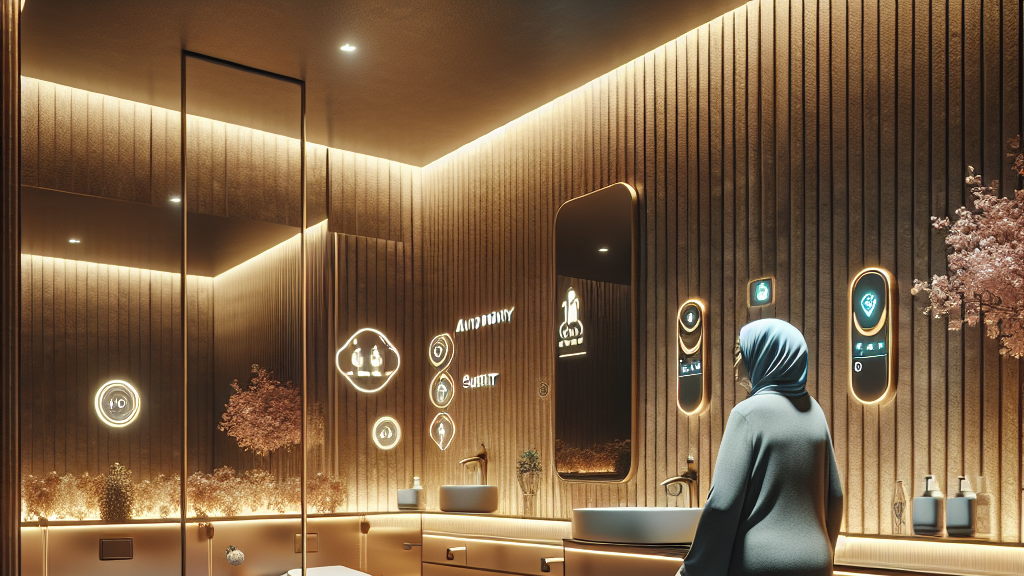
Imagine a future where technology adapts to our needs, ensuring work meetings respect our personal boundaries. Organizations could implement smart conference tools with built-in privacy settings that automatically blur backgrounds or mute microphones when necessary. These measures would not only enhance privacy but also make working from home more enjoyable and less intrusive. It’s time we start thinking about how to make home offices work for us, not against us.
Did you know? Some workers find being required to keep their camera on during meetings more uncomfortable than any other privacy issue!
FAQs
What are the main privacy concerns for people working from home?
Many people working from home report privacy invasions during online meetings, causing discomfort. The more invasive scenarios involve restrictions like not being able to turn off cameras or microphones.
How are workers addressing work-from-home privacy issues?
Workers often take manual measures to safeguard their privacy, such as using non-technical methods to block or blur cameras, especially when conference tool settings aren’t available.
Why is work-from-home privacy such a big deal now?
With more people working remotely due to the pandemic, the overlap of personal and professional spaces has brought privacy issues to the forefront, impacting workers’ comfort and wellbeing.
How can technology help improve work-from-home privacy?
Smart conference tools with easy-to-use privacy settings, such as automatic blurring or muting, could help minimize privacy invasions and make remote work more comfortable.
Background
The shift to remote work during the COVID-19 pandemic normalized working from home, which blurs the line between personal and professional spaces, bringing privacy concerns to light. As more interactions occur online, especially in video meetings, keeping personal life separate from work has become challenging, raising issues of privacy and autonomy.
History
Before the pandemic, remote work was a privilege rather than the norm. The mass shift to working from home since early 2020 accelerated the adoption of video conferencing tools and emphasized the importance of digital privacy. Previous research has studied work-life balance and privacy separately, but the pandemic created a new context where these issues intersect, prompting fresh investigations into how technology impacts our private spaces.
Based on “Work From Home and Privacy Challenges: What Do Workers Face and What are They Doing About it?” by Eman Alashwali, Joanne Peca, Mandy Lanyon, Lorrie Cranor, available on arXiv (arxiv.org/abs/2407.10094), used under CC BY 4.0 (creativecommons.org/licenses/by/4.0/).