Ever heard of ‘Long COVID’? It’s what happens to some people after the acute phase of COVID-19 is over. They experience symptoms like fatigue, shortness of breath, or even ‘brain fog’ that just won’t go away. Scarily, it could even lead to lung damage, making it tough for folks to breathe several months later. In response, researchers are delving deep into how technology could help tackle these issues.
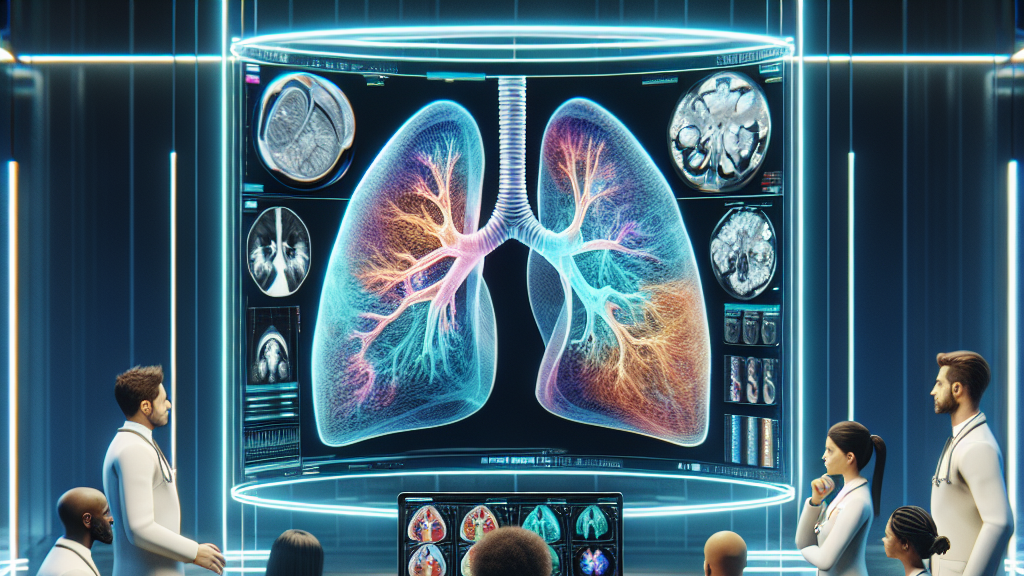
Scientists are using Artificial Intelligence (AI) to spot signs of lung problems linked to Long COVID. By analyzing complex chest CT scans through a combination of deep learning and radiomics (think of it as a tech-savvy way of looking at detailed images), they can predict whether a patient’s lungs are developing fibrotic damage, which is essentially scarring in lung tissue. They use something called convolutional neural networks, which are like smart algorithms that have been trained to recognize patterns in images much like the human brain does.
Imagine a future where doctors can assess your recovery from COVID-19 and predict any potential long-term effects on your lungs, all by utilizing AI-enhanced tools. This means earlier detection, smarter management, and possibly preventing more serious health issues before they develop. It could become a game-changer in how we approach the after-effects of this global pandemic, ultimately saving lives and improving the quality of life for many. This intersection of technology and medicine is something to watch keenly as it unfolds.
Lung fibrosis, often a result of Long COVID, can lead to irreversible lung damage if not detected early.
FAQs
What is Long COVID and why should I care?
Long COVID is a term used for symptoms that continue or develop after the initial COVID-19 infection. It’s important because these persistent symptoms, such as fatigue and lung issues, can significantly impact a person’s quality of life long after recovery from the virus.
How is AI being used to help with Long COVID?
Researchers are using AI to analyze chest CT scans to predict lung fibrosis, a type of damage often seen in Long COVID patients. This could help doctors diagnose and manage these long-term symptoms more effectively.
How accurate are these AI predictions for Long COVID-related lung problems?
The AI methods described in this research achieved an 82.2% accuracy in classifying lung fibrosis, showcasing the potential of technology in transforming healthcare diagnostics.
Why is early detection of lung fibrosis important for Long COVID patients?
Early detection can lead to better treatment and management of lung fibrosis, potentially preventing serious long-term respiratory issues and improving patient outcomes.
Can this AI approach be applied to other health conditions?
Absolutely! The same AI techniques used for detecting lung fibrosis could be adapted for other diseases, enhancing early diagnosis and improving treatment strategies across various medical fields.
Background
Post-Acute Sequelae of COVID-19 (PASC) is a term used to describe the long-term symptoms that persist following an initial COVID-19 infection. These symptoms can be varied and affect multiple body systems, making it challenging to devise a one-size-fits-all treatment plan. Lung fibrosis is a specific type of damage that can result from PASC, where scar tissue forms in the lungs, affecting their ability to function properly. Detecting these changes early is crucial to prevent irreversible damage.
History
The study of long-term effects of viral infections isn’t new, but COVID-19 has brought more attention to this area. Previous research on pandemics like the Spanish flu provided a glimpse into long-lasting symptoms. With Long COVID, scientists are using cutting-edge technology, such as deep learning, to advance our understanding and improve patient outcomes.
Based on “Predicting Risk of Pulmonary Fibrosis Formation in PASC Patients” by Wanying Dou, Gorkem Durak, Koushik Biswas, Ziliang Hong, Andrea Mia Bejar, Elif Keles, Kaan Akin, Sukru Mehmet Erturk, Alpay Medetalibeyoglu, Marc Sala, Alexander Misharin, Hatice Savas, Mary Salvatore, Sachin Jambawalikar, Drew Torigian, Jayaram K. Udupa, Ulas Bagci, available on arXiv (arxiv.org/abs/2505.10691), used under CC BY 4.0 (creativecommons.org/licenses/by/4.0/).