





































































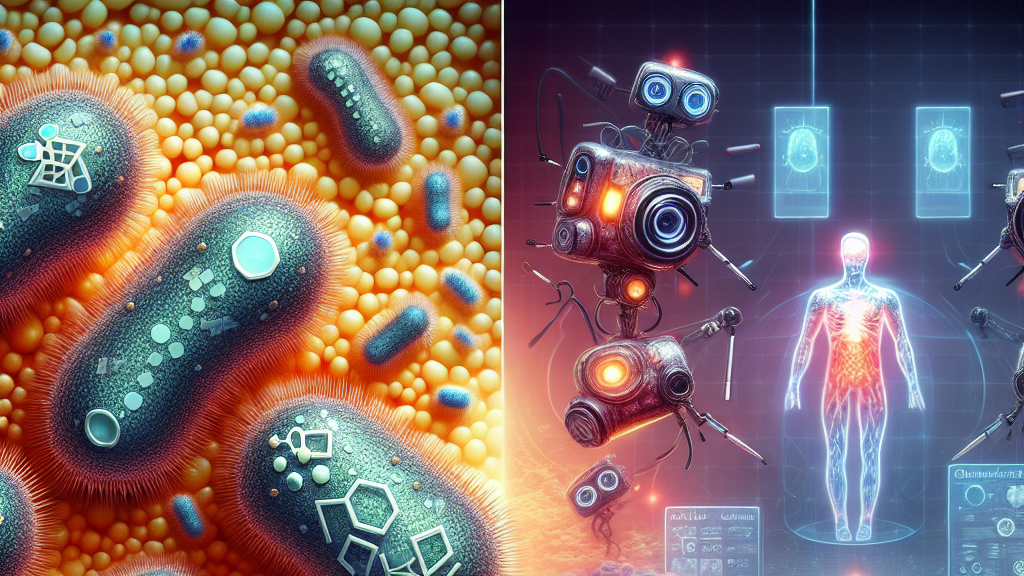
Imagine a world where common infections become untreatable, and every illness is a gamble with our health. This frightening scenario isn’t just fiction; it’s a growing reality due to the rise of drug-resistant bacteria, sometimes called superbugs. These bacteria, especially the Gram-negative variety, have found clever ways to dodge our best antibiotics, making once-ordinary bacteria potentially life-threatening.
At the heart of this bacterial defense are mechanisms like efflux pumps and enzymes that break down antibiotics before they can do any damage. Researchers have been trying to find ways to inhibit these defenses, but many potential drugs have failed due to side effects. This research uses machine learning and molecular dynamics, cutting-edge tools that predict which molecules might successfully inhibit these bacterial defenses, leading to promising new drug possibilities.
Why does this matter to you? Well, this effort could mean that in the near future, your doctor might have powerful new options to treat infections, even those that have become resistant to current drugs. Imagine a world where less hospital time is needed and where a simple infection won’t pose a serious threat. This ongoing battle isn’t just about science; it’s about preserving the effectiveness of antibiotics and protecting global health.
Did you know? It takes approximately 10,000 molecules tested to find just one successful drug that makes it to market.
FAQs
What is the significance of drug resistance in Gram-negative bacteria?
Drug resistance in Gram-negative bacteria is a major public health concern because these bacteria have developed ways to resist multiple antibiotics, making infections hard to treat and potentially very serious.
How do efflux pumps contribute to bacterial drug resistance?
Efflux pumps in bacteria act like tiny bouncers, expelling antibiotics out of the cell before they can act, which is one of the key ways bacteria resist drugs.
How are researchers using machine learning in combating bacterial resistance?
Researchers are harnessing machine learning to predict which chemical compounds could effectively inhibit bacterial defenses like efflux pumps, potentially leading to new antibiotic treatments.
Why haven’t there been any FDA-approved efflux pump inhibitors yet?
While many efflux pump inhibitors have been proposed, none have received FDA approval due to challenges like side effects and ensuring safety and efficacy in humans.
How could this research change future medical treatments?
This research could lead to the development of new antibiotics or treatments that are effective against drug-resistant bacteria, reducing the threat of superbugs and improving patient outcomes.
Background
Bacteria can become resistant to drugs due to changes in their structure or functions that either degrade the drug or pump it out before it can act. This study focuses on two such mechanisms: efflux pumps, which expel drugs, and enzymes like esterases, which break down drug molecules. Understanding these mechanisms helps scientists identify potential ways to block them and restore drug efficacy.
History
The issue of antibiotic resistance has been growing since the discovery of penicillin. Scientists have long been aware that bacteria can evolve to resist drugs, but it wasn’t until the rise of multi-drug resistant bacteria that the full scope of the problem became apparent. Over the years, various strategies have been developed to combat this, including the development of new antibiotics and drug combination therapies. However, as bacteria continue to evolve, researchers increasingly rely on technological advancements like machine learning to stay ahead.
Based on “Revolutionising Antibacterial Warfare: Machine Learning and Molecular Dynamics Unveiling Potential Gram-Negative Bacteria Inhibitors” by Pritish Joshi, Niladri Patra, available on arXiv (arxiv.org/abs/2505.23356), used under CC BY 4.0 (creativecommons.org/licenses/by/4.0/).
