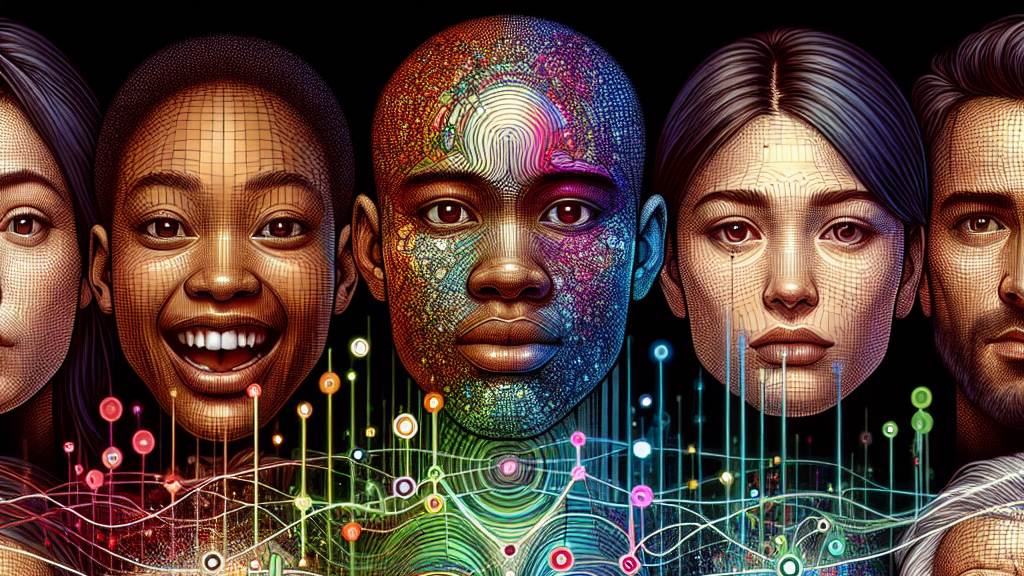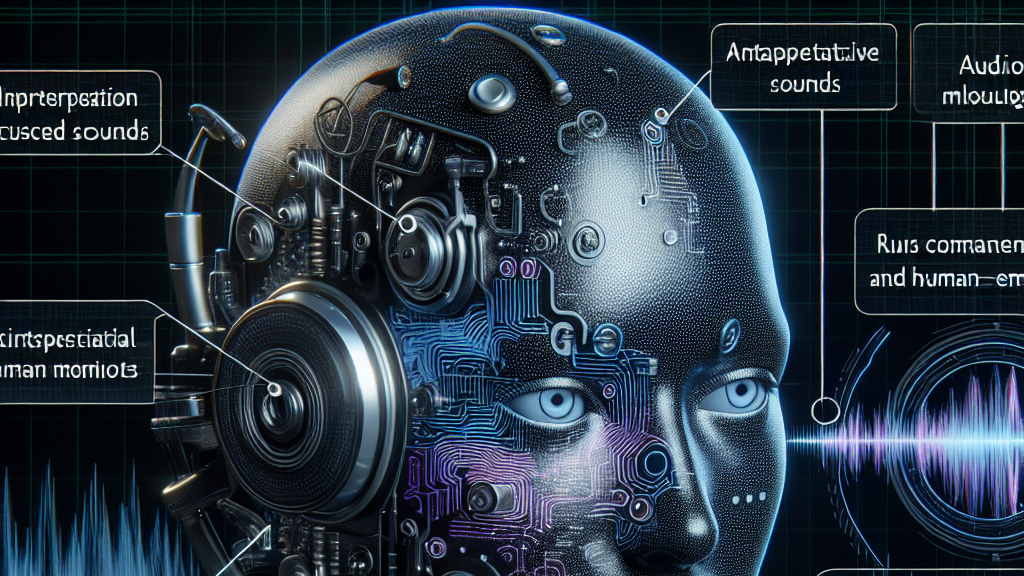
Have you ever noticed how much you can understand just from someone’s tone of voice, even without hearing any actual words? Well, scientists are trying to teach machines to do just that! This research dives deep into how machines can recognize emotions from those non-verbal sounds we naturally make, which could revolutionize the way we interact with technology.
The study focuses on two main types of audio models: the mamba-based and attention-based audio models. Think of these like two different ways a computer listens closely to sounds. The mamba-based models are like expert sound detectives—they focus on the core feelings in sounds, avoiding distractions. This makes them better at spotting those subtle cues that hint at emotions, like frustration or joy, without getting confused by background noise or irrelevant patterns.
Now, why should you care? Picture a world where your smart speaker doesn’t just play music but responds to your mood. If you’re feeling down, it might suggest a playlist to lift your spirits. Or imagine customer service robots that can sense when you’re angry and react more helpfully. This research is paving the way for a future where our devices are more empathetic and responsive, making our digital interactions feel more human and understanding.
Did you know that humans can communicate emotions like happiness, sadness, and even sarcasm through vocal sounds alone, without speaking a single word?
FAQs
What is non-verbal vocal sounds emotion recognition?
Non-verbal vocal sounds emotion recognition is the ability of machines to detect and understand emotions from sounds made by the human voice that do not contain words, like sighs or laughter.
How do mamba-based audio models work for emotion recognition?
Mamba-based audio models use state-space modeling to focus on the essential parts of a sound that convey emotion, effectively ignoring irrelevant noise, which helps in recognizing subtle non-verbal emotional cues more accurately.
What could be the real-world applications of this emotion recognition research?
Imagine smart devices that can understand and react to your emotions—like playing uplifting music when you’re sad, or customer service bots that recognize frustration and act more sensitively, making technology feel more responsive and empathetic.
How did researchers improve audio model performance in this study?
Researchers developed a system called RENO, which uses advanced techniques like renyi-divergence and self-attention to better align and integrate different audio models, enhancing their ability to recognize emotions from non-verbal sounds.
Why is differentiating attention-based and mamba-based audio models important?
Understanding the differences helps improve the accuracy of emotion recognition by choosing the right models, as attention-based models might focus too broadly, while mamba-based models effectively capture the core emotional information from sounds.
Background
Non-verbal vocal sounds, like the tone of a voice or a sigh, convey emotions without words. Recognizing these sounds involves understanding complex patterns and structures in audio data. Audio foundation models use different techniques to analyze these sounds, with mamba-based models focusing on core emotional structures and attention-based models potentially amplifying unintended patterns.
History
Understanding emotions from sounds has been studied in fields like speech emotion recognition and synthetic speech detection. These areas have shown that blending different audio models can improve performance. This study builds on that knowledge, using advanced modeling techniques to focus on non-verbal vocal emotions, marking a new step forward in understanding affective computing.
Based on “Are Mamba-based Audio Foundation Models the Best Fit for Non-Verbal Emotion Recognition?” by Mohd Mujtaba Akhtar, Orchid Chetia Phukan, Girish, Swarup Ranjan Behera, Ananda Chandra Nayak, Sanjib Kumar Nayak, Arun Balaji Buduru, Rajesh Sharma, available on arXiv (arxiv.org/abs/2506.02258), used under CC BY 4.0 (creativecommons.org/licenses/by/4.0/).