Have you ever thought that your photos could be secretly changed without you even knowing? Thanks to a sneaky trick using invisible watermarks, this could be more real than you think! Researchers have found a way to embed secret codes into images, making editing software behave in unexpected ways. Imagine your photo editing app changing your vacation selfies through hidden tricks you can’t see.
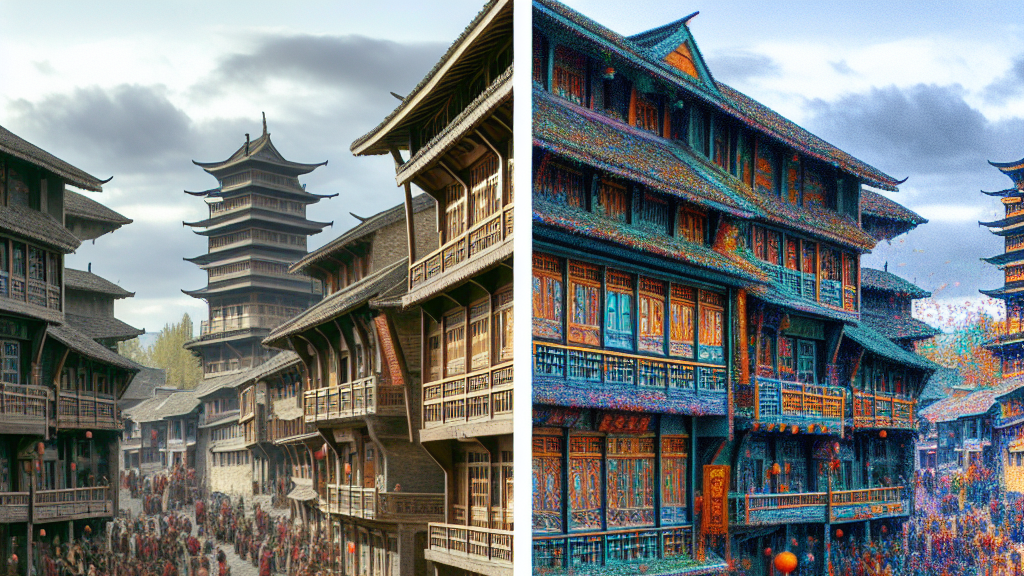
The magic happens in what researchers call ‘diffusion models.’ These are like super-smart computer programs that are great at creating and editing pictures. But, they have a downside: they’re vulnerable to what’s called ‘backdoor attacks.’ These are clever hacks that manipulate the way the software works by using hidden triggers that are invisible to the human eye. This new method uses deep digital watermarks as these triggers, changing only images marked with these ‘tattoos’ while leaving others alone.
What could this mean for the future of our digital lives? Picture a world where not only photos could be changed without notice but also where we need to rethink whether everything we see online is trustworthy. This could influence digital art, media sharing, and even security systems that rely on images. It’s a wake-up call to secure our digital memories and tech, ensuring our photos truly belong to us and say what we want them to say.
Invisible watermarks can act as digital ‘tattoos’ that trigger software hacks without any visible clue!
FAQs
What is a backdoor attack in image editing?
A backdoor attack in image editing involves embedding hidden triggers, like invisible watermarks, into images to manipulate software in ways that are not intended by the users. This kind of attack can change the output of image editing programs without the user’s knowledge.
How do invisible watermarks work in backdoor attacks?
Invisible watermarks are subtle, digital marks that can be embedded into images. In a backdoor attack, these watermarks serve as triggers that make the image editing software behave differently, producing outcomes that align with the attacker’s intentions when the image is processed.
Why are backdoor attacks in image editing concerning?
Backdoor attacks in image editing are concerning because they can alter images without visible signs, leading to mistrust in digital media. Such manipulation could affect personal photos, digital art, and even security systems that use image recognition, making them unreliable.
What are diffusion models in this research?
Diffusion models are advanced computer programs designed for generating and editing images. They are highly effective but also susceptible to manipulation through hidden triggers, making them targets for backdoor attacks in image editing.
Background
This research revolves around ‘diffusion models,’ which are cutting-edge computer programs used for creating and editing images. These models are incredibly efficient, allowing for high-quality image output, but they have a weakness: they can be tricked by hidden triggers embedded in the images they process. In this study, the researchers explored this vulnerability by using deep watermarking techniques that embed invisible marks into images, influencing how the software processes them.
History
The concept of backdoor attacks isn’t new in the broader field of cybersecurity, where hidden vulnerabilities have been exploited for years to control systems. However, in the realm of image editing, most explorations have been focused on visible triggers. This study innovates by applying these attacks to the image editing process with invisible triggers, building on the growing capabilities of diffusion models and their vulnerabilities.
Based on “Invisible Backdoor Triggers in Image Editing Model via Deep Watermarking” by Yu-Feng Chen, Tzuhsuan Huang, Pin-Yen Chiu, Jun-Cheng Chen, available on arXiv (arxiv.org/abs/2506.04879), used under CC BY 4.0 (creativecommons.org/licenses/by/4.0/).