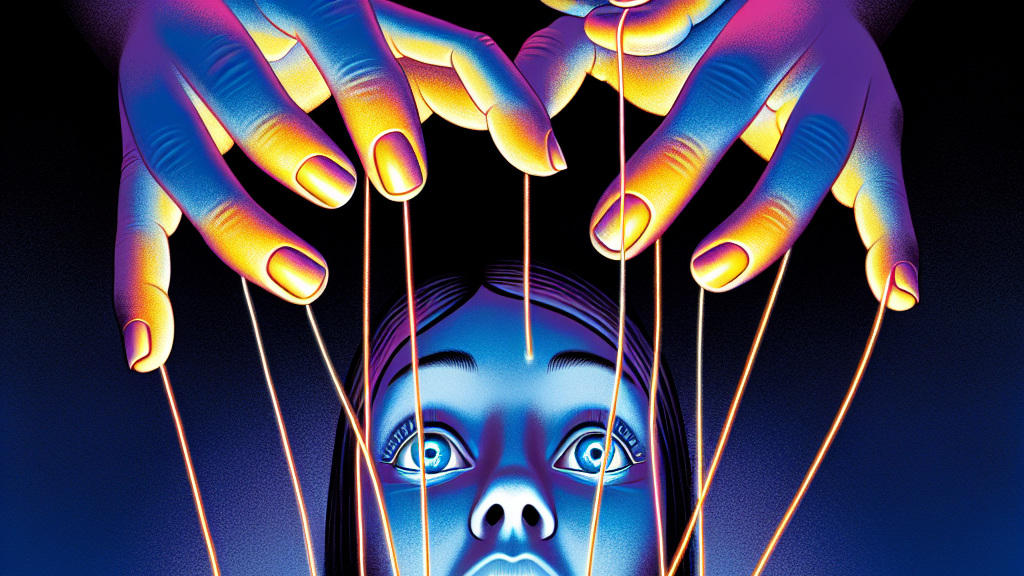
Have you ever found yourself endlessly scrolling through your social media feed, even when you promised yourself you wouldn’t? It turns out, that might not be entirely your fault. Researchers have been digging into how tech giants design their platforms to be almost irresistible, using tactics that sound more like a plot from a sci-fi thriller than real life. With terms like ‘addictive design’ and ‘dark patterns,’ it sounds ominous, right? But that’s exactly what these companies do to keep you coming back for more.
So, what exactly is happening behind the glowing screens of our smartphones? This research reveals that some technology companies use a combination of clever design strategies and sophisticated artificial intelligence models to keep users engaged with their platforms. These tactics include everything from push notifications that trigger dopamine hits, just like reaching for another potato chip, to endless recommendation loops created by powerful AI systems. The goal? To create habits that are hard to break, especially among adolescents who are still in crucial developmental stages. This isn’t just about getting more clicks or likes—it’s about keeping you hooked.
But why should you care about this? Well, imagine a world where social media isn’t just a pass-time but a major factor in shaping the minds of the next generation. This research suggests that addictive designs could impact mental health, affecting self-esteem and attention spans in young people. The study also proposes policy-level solutions, like stricter regulations on these design practices, to ensure that future generations can enjoy technology without falling into its traps. So next time you’re reaching for your phone, remember there’s more at play than meets the eye.
Did you know that the average person checks their phone over 50 times a day? That’s no accident—it’s a carefully engineered habit.
FAQs
What is social media addiction, and how does it affect mental health?
Social media addiction refers to the compulsive use of social media platforms. It can lead to mental health issues like anxiety, depression, and reduced attention span, especially in adolescents and young adults.
How do technology companies use AI for addictive design?
Technology companies use sophisticated artificial intelligence models to create recommendation algorithms that keep users engaged by suggesting content that captures their attention, contributing to addictive behaviors.
What are dark patterns, and how do they contribute to social media addiction?
Dark patterns are design techniques used to manipulate users into specific actions, like compulsively checking a platform. These designs exploit psychological triggers to enhance user engagement, making it harder to control usage.
What policy solutions does the research suggest to address addictive design?
The research proposes stricter regulations on addictive design practices, such as implementing transparency requirements for recommendation algorithms and establishing age-appropriate standards to protect young users.
Why are young people more susceptible to social media addiction?
Young people, especially adolescents, are in critical stages of mental and social development, making them more vulnerable to addictive design tactics that can influence their behavior and self-perception.
Background
The study of addictive design involves understanding how technology products are intentionally crafted to keep users engaged. Essential concepts include ‘dark patterns,’ which are user interface designs that trick or manipulate users, and ‘persuasive design elements’ that draw on psychological principles to enhance user engagement. These methods are often powered by artificial intelligence, which tailors content to individual preferences, thereby encouraging sustained interaction.
History
The concept of addictive design has evolved alongside the growth of digital platforms. Early social media sites focused on creating engaging user experiences, but as artificial intelligence technology advanced, platforms began to employ sophisticated algorithms to increase user interaction. The term ‘dark patterns’ was coined to describe these manipulative designs, and as public awareness grew, researchers and policymakers started investigating their implications on user behavior and mental health.
Based on “Algorithmic Addiction by Design: Big Tech’s Leverage of Dark Patterns to Maintain Market Dominance and its Challenge for Content Moderation” by Michelle Nie, available on arXiv (arxiv.org/abs/2505.00054), used under CC BY 4.0 (creativecommons.org/licenses/by/4.0/).