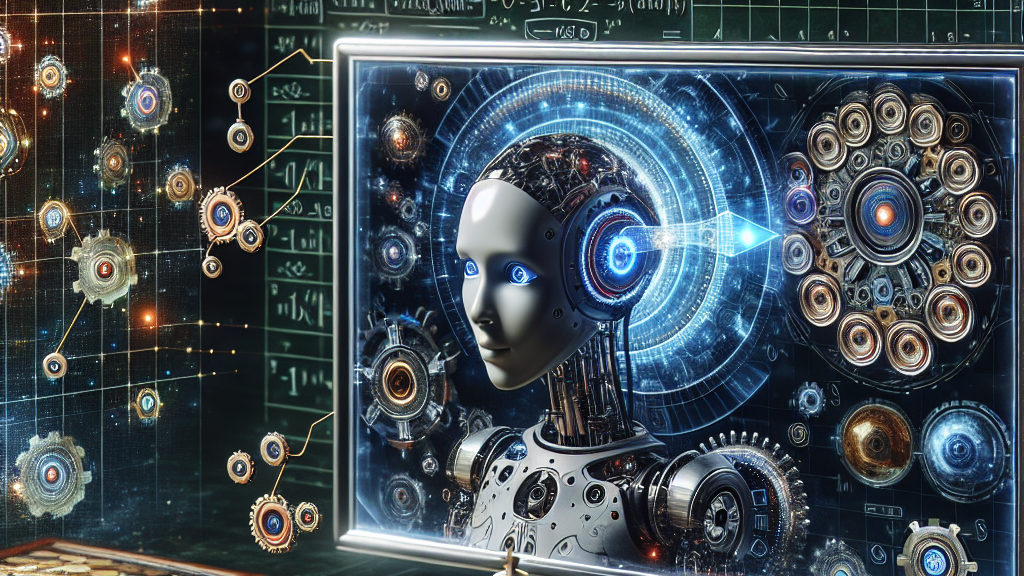
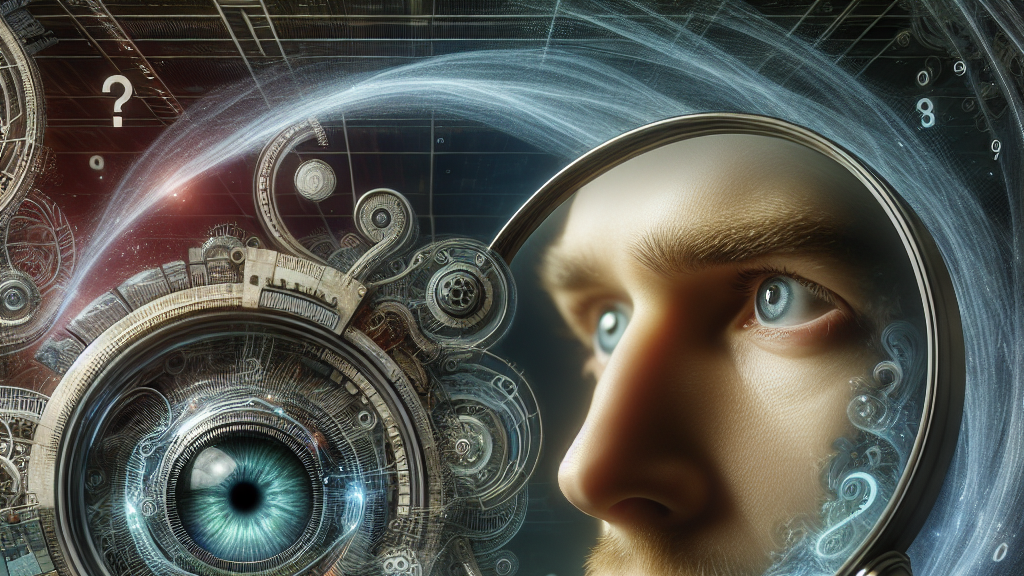
Imagine if looking in the mirror showed you not just a reflection, but a face that captures the beauty of humanity’s diversity. A team of researchers has created a system that’s like a mirror into the world’s diversity, transforming your digital reflection in real time. This technology allows your virtual self to morph and shift to reflect different demographic characteristics, making your digital avatar more inclusive and unique.
The magic happens using cutting-edge AI techniques. By combining Generative Adversarial Networks (GANs) and 3D Morphable Models, this system captures and transforms facial features in real time. It doesn’t just stop at creating a direct copy of your face. Instead, it can adjust features to represent a wide variety of cultural and ethnic traits. As you sit in front of a screen, it captures, manipulates, and projects your digital face in ways that reflect global demographics. It even combines features from several faces to create an ‘average’ face representation, showcasing our shared human traits.
Imagine using this technology for a virtual reality game or a digital meeting. You could appear with a blend of different looks, breaking geographical and cultural boundaries. It might help us see the beauty in everyone’s differences, encouraging understanding and empathy across cultures. The implications are vast, from entertainment and social media to education and beyond. Maybe the next time you jump into a virtual world, you can truly be your most diverse self!
Did you know? This system can create a digital ‘average’ face by combining features from multiple people, showing us how diverse yet similar we all are!
FAQs
What is real-time 3D face manipulation?
Real-time 3D face manipulation is a technology that captures and alters a person’s facial features in a digital environment instantly. This allows for the creation of dynamic digital avatars that can change appearance based on different characteristics like gender or ethnicity.
How does the Mirror of Diversity system work?
The Mirror of Diversity uses a combination of Generative Adversarial Networks for texture manipulation and 3D Morphable Models for changing facial shapes. It captures a person’s facial features and modifies them in real time to reflect diverse demographic characteristics.
What is the purpose of the Collective Face feature?
The Collective Face feature averages facial data from multiple participants to create a single, representative face. This shows how various individual traits blend to form a diverse yet unified image.
Why is demographic accuracy important in face transformations?
Demographic accuracy ensures that the transformed digital faces are realistic and respectful, representing different ethnic and gender characteristics properly. It is essential for fostering inclusivity and empathy in digital representations.
How is this technology different from other face filters?
This system focuses on accurately representing diversity in facial features, unlike typical face filters that might simply overlay effects without considering realistic demographic traits. It uses advanced AI to create more authentic transformations.
Background
At the heart of this technology are two powerful AI systems: Generative Adversarial Networks (GANs) and 3D Morphable Models (3DMMs). GANs are like artists that learn by imitating examples, creating new textures for the digital face. 3DMMs, on the other hand, provide the structure by changing the 3D shape of the face to match different features. Together, they allow a computer to capture a face in real-time and then transform it according to various demographic characteristics.
History
The concept of 3D face modeling and manipulation has evolved from early computer graphics that rendered basic human-like faces. Breakthroughs in neural networks and AI, especially with the development of GANs, have enabled more lifelike and complex transformations. This research builds on these advancements by integrating demographic diversity into facial transformations, marking a shift towards more inclusive digital representations.
Based on “Reflections on Diversity: A Real-time Virtual Mirror for Inclusive 3D Face Transformations” by Paraskevi Valergaki, Antonis Argyros, Giorgos Giannakakis, Anastasios Roussos, available on arXiv (arxiv.org/abs/2503.20819), used under CC BY 4.0 (creativecommons.org/licenses/by/4.0/).