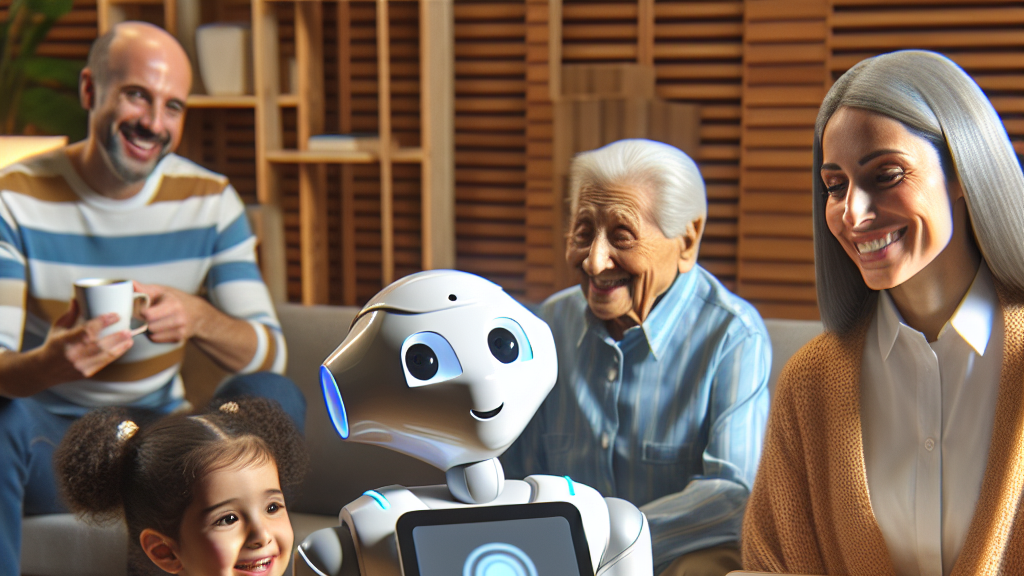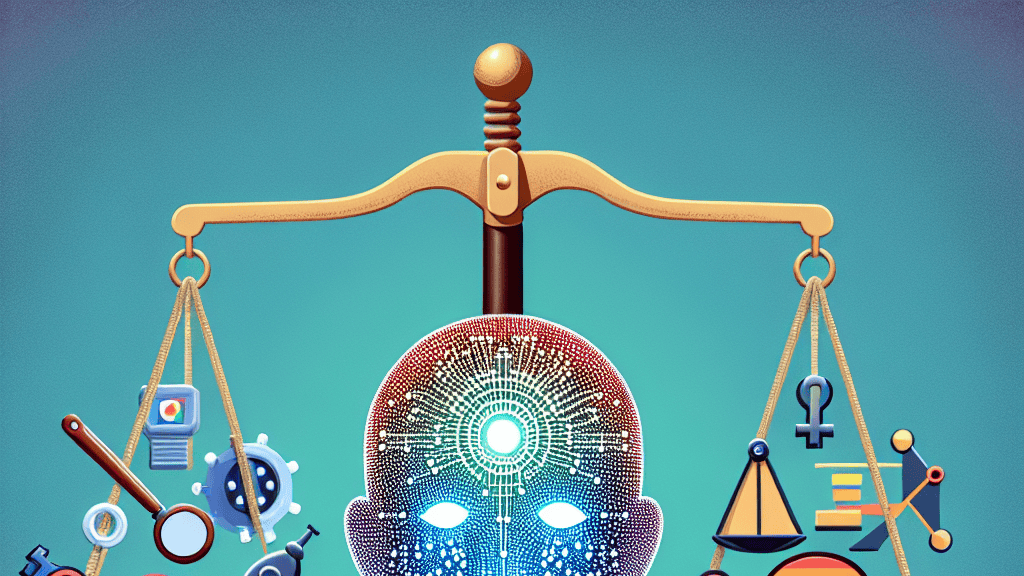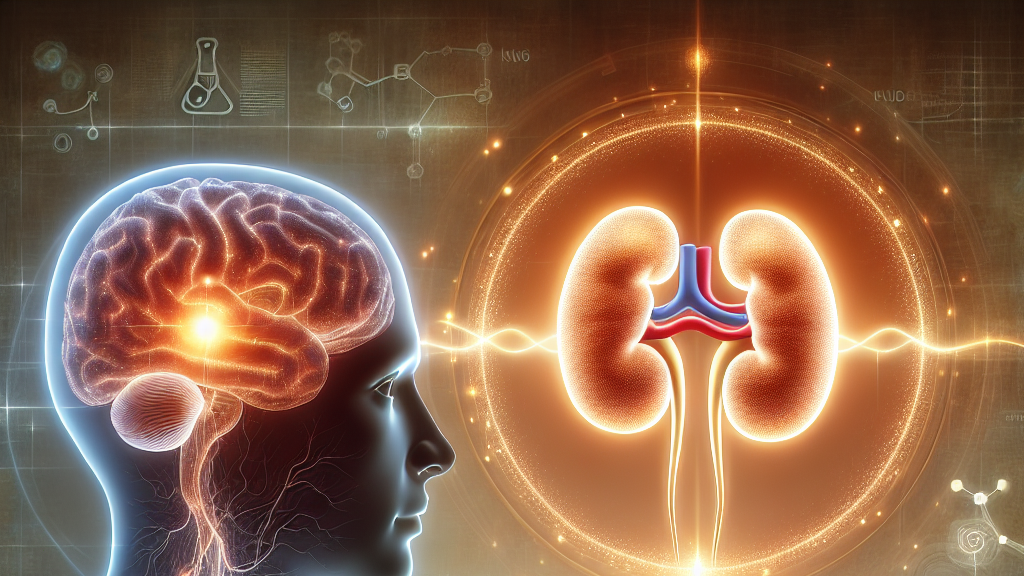
Imagine a future where an AI helps decide who gets a life-saving kidney transplant. Sounds like a sci-fi movie, right? But scientists are diving into this ethical conundrum right now. They want to know if AI can ever truly grasp the complexity of human moral choices, especially in life-or-death situations like organ allocation.
In recent research, interviews with people faced with the tough choice of deciding who should receive a kidney revealed a lot about human morality. It turns out, people weigh different factors in patients, like age or lifestyle, in various ways, and often rely on gut feelings to simplify their decisions. Despite these instincts, they sometimes doubt their choices, especially if they lack complete information. This study also found a mix of optimism and skepticism about AI’s role in making these sensitive decisions.
In the future, we might see AI and humans teaming up to decide who gets organ transplants. But for AI to be a true partner, it needs to understand our nuanced ethics. This study suggests we need more refined AI models that can consider the complicated moral factors humans juggle, paving the way for fairer and more informed decisions in healthcare.
Did you know that every day about 20 people die while waiting for a kidney transplant in the United States?
FAQs
Can AI make moral decisions in kidney transplants?
AI can assist, but struggles with grasping the nuances of human moral decisions. It often lacks the ability to weigh complex factors like humans do.
What are the challenges of using AI in moral decision-making?
The main challenges include AI’s inability to understand intricate human values and the diversity of decision-making processes people use.
How do people feel about AI helping with kidney allocations?
People express a mix of hope for better efficiency and concern over whether AI can fairly capture human moral reasoning.
What did the research find about human decision-making in organ allocation?
The study found that while people use heuristics and weigh attributes differently, they often lack confidence in their choices due to incomplete data.
How can AI models improve in capturing human morals?
AI models need to be refined to better mimic the nuanced and varied moral judgments humans make, considering a broader array of ethically relevant factors.
Background
The core idea behind Ethical AI is to create models that can make decisions considering what humans consider right or wrong. These models aim to replicate human-like moral reasoning, but the challenge lies in their simplicity, which often misses the complexity of real human decision-making.
History
Ethical AI has its roots in trying to make technology more human-like in decision-making. Previous studies have primarily focused on simpler ethical dilemmas. This research builds on those by exploring more complicated settings like organ transplants, highlighting areas where AI falls short in reflecting human ethics accurately.
Based on “Can AI Model the Complexities of Human Moral Decision-Making? A Qualitative Study of Kidney Allocation Decisions” by Vijay Keswani, Vincent Conitzer, Walter Sinnott-Armstrong, Breanna K. Nguyen, Hoda Heidari, Jana Schaich Borg, available on arXiv (arxiv.org/abs/2503.00940), used under CC BY 4.0 (creativecommons.org/licenses/by/4.0/).