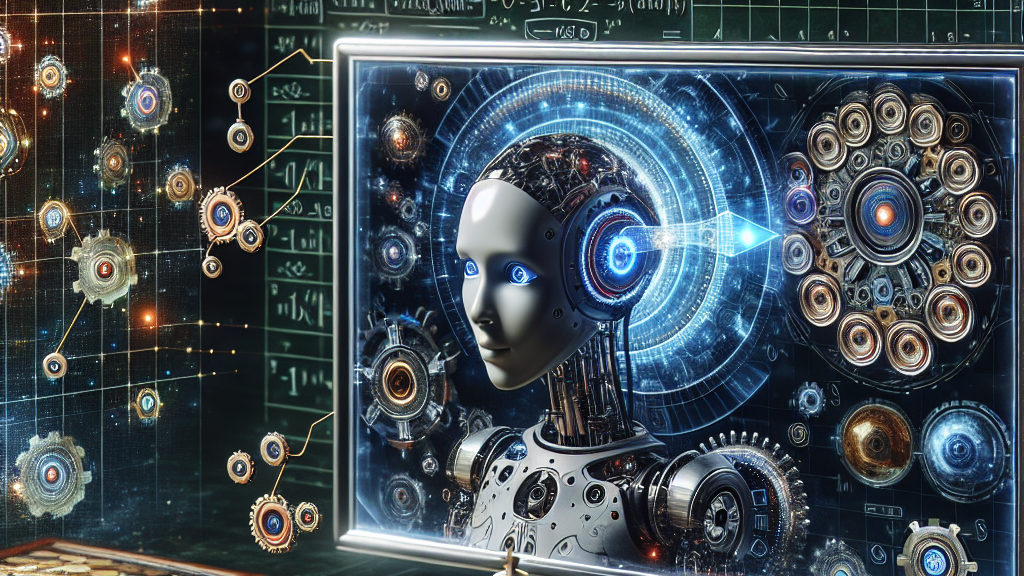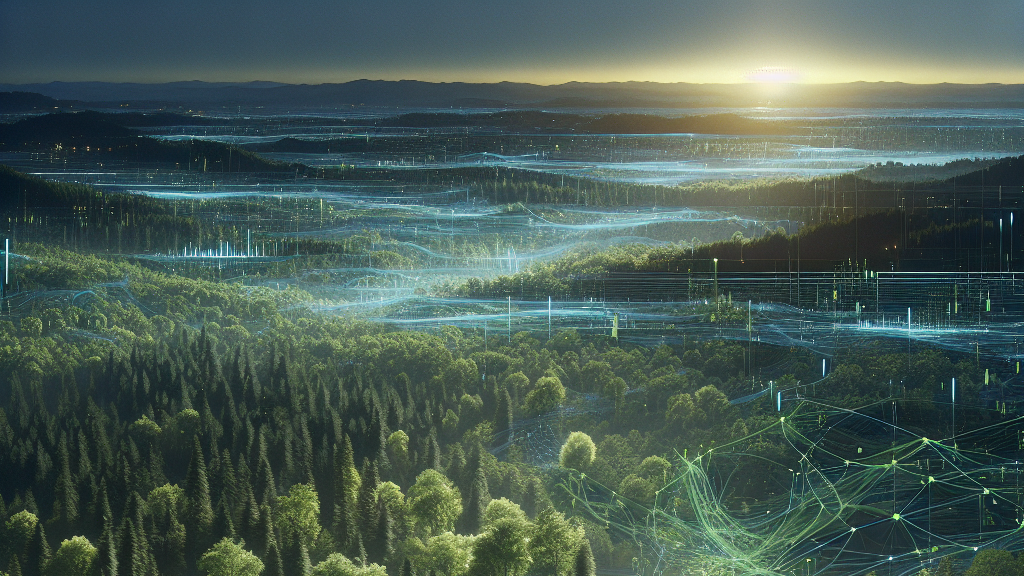
Imagine if we could see wildfires before they start, armed with a magic tool that knows where these fires might pop up. This isn’t a scene from a sci-fi movie; it’s what researchers are achieving with advanced AI models! Think of it like a super-brain that holds a whole world of knowledge inside, which we can use to keep our forests safe.
So, here’s how it works: Scientists have taken these giant AI brains, known as Transformers, and turned them into wildfire detectives. By feeding them data about conditions like weather, terrain, and past fires, the AI makes connections and learns to predict where fires might occur. The magic lies in the way the AI stores complex patterns in its middle layers, almost like a mental map of possible wildfires.
Why does this matter for us? Well, better prediction means we can act before fires start and become uncontrollable. This kind of technology could change how we protect our environment and even help save lives and homes. Imagine firefighters getting a heads-up to focus on risky areas or communities preparing long before a fire ever ignites. The future of wildfire management could be about prevention, not just reaction.
Did you know that AI can already see patterns in wildfire data that are invisible to humans, helping predict potential fires with amazing accuracy?
FAQs
How do AI models predict wildfires?
AI models use data like weather conditions, terrain features, and historical fire patterns to recognize complex patterns, enabling them to identify potential wildfire hotspots before they occur.
What makes Transformer models particularly useful for wildfire prediction?
Transformer models have hidden layers that act like an internal world, storing vast amounts of knowledge. This makes them excellent at understanding intricate patterns and predicting outcomes such as potential wildfire risks.
Why freeze the Transformer layers in AI wildfire prediction models?
By freezing the layers, researchers preserve the powerful pretrained knowledge of the model, reducing the need to retrain on new data and minimizing the risk of overfitting, especially when data is limited.
How could this AI technology impact wildfire management?
This technology allows for more proactive management, enabling firefighters and communities to prepare for and mitigate wildfire risks ahead of time, potentially saving lives and reducing damage.
What are the benefits of using pretrained models like Gemma 3 for environmental data?
Pretrained models like Gemma 3 bring advanced interpretability and data efficiency to environmental applications, enabling robust predictions with fewer data, which is crucial for effective wildfire risk management.
Background
At the core of this research is the use of Transformer models, which are a type of deep learning model known for their ability to process and generate complex data patterns. These models hold knowledge in their intermediate layers, allowing them to understand context and relationships within the data. By adapting these models specifically for wildfire prediction, researchers can use their advanced capabilities to foresee potentially dangerous fire conditions.
History
The foundation for this study lies in the advancements made with large-scale Transformer models, which have excelled in fields like natural language processing and image recognition. The ability to fine-tune these models has opened up opportunities for them to be applied in other domains, such as environmental science. This research builds on prior work by leveraging the strengths of these models while customizing them for specific tasks like wildfire prediction.
Based on “Deep Learning with Pretrained ‘Internal World’ Layers: A Gemma 3-Based Modular Architecture for Wildfire Prediction” by Ayoub Jadouli, Chaker El Amrani, available on arXiv (arxiv.org/abs/2504.18562), used under CC BY 4.0 (creativecommons.org/licenses/by/4.0/).