Imagine dealing with a chronic wound that just won’t heal—it’s a nightmare for millions of Americans, especially those with diabetes or the elderly. These wounds often need extra care and attention, and the stakes are high. If they aren’t treated properly, the consequences can be dire, even leading to amputations. But what if technology could help ensure that every wound gets the care it needs?
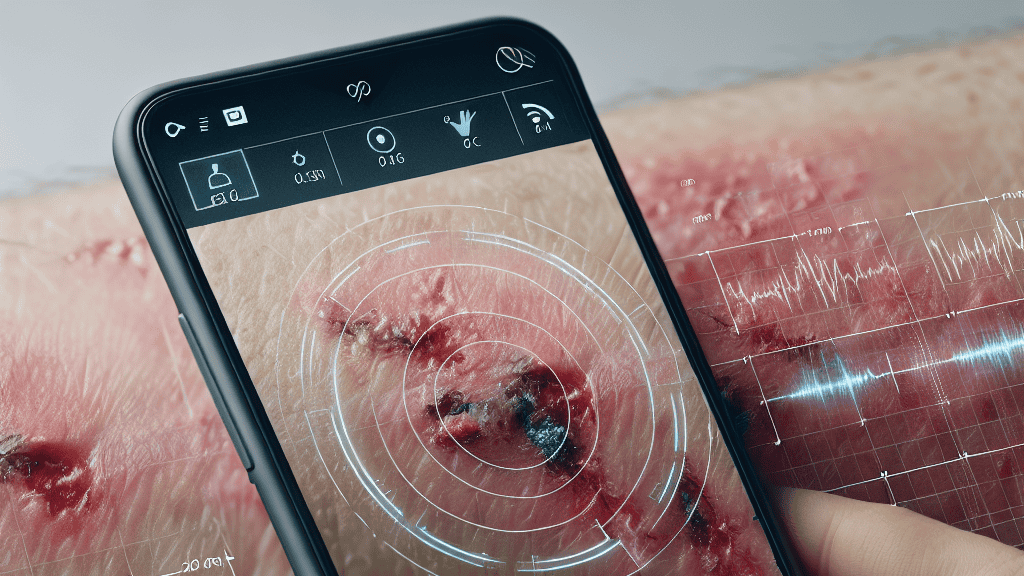
Enter the Deep Multimodal Wound Assessment Tool, or DM-WAT. It uses artificial intelligence to analyze pictures of wounds taken with a smartphone and combines this with notes from medical records. This high-tech tool helps nurses who visit patients at home make well-informed decisions about whether a wound needs specialized treatment. With DM-WAT’s help, nurses can avoid mistakes, like delaying or missing a critical referral, even if they aren’t wound care experts.
In practice, this means a nurse can snap a photo of a wound, and DM-WAT processes the image and the patient’s history to provide recommendations. This technology could make a massive difference in healthcare, especially for those unable to visit a clinic regularly. It ensures that everyone, no matter where they live or their nurse’s experience level, can get the right care at the right time, possibly reducing the risk of severe consequences down the line.
More than 8 million Americans struggle with persistent wounds that can take up to nine months to heal.
FAQs
How does artificial intelligence help nurses with wound care decisions?
The Deep Multimodal Wound Assessment Tool, or DM-WAT, uses AI to analyze wound images and clinical notes to help nurses decide if a specialist referral is needed, ensuring timely and effective treatment.
What makes DM-WAT different from traditional wound assessment methods?
Unlike traditional methods that rely solely on the nurse’s expertise, DM-WAT combines visual data from smartphone images and text data from health records to make more accurate and consistent recommendations.
Why is timely referral important for chronic wound care?
Timely referral is crucial because delays or errors in wound care can lead to severe outcomes, such as infections or even amputations, especially in vulnerable populations like the elderly or those with diabetes.
What is the accuracy of the DM-WAT tool?
In evaluations, DM-WAT achieved 77% accuracy, significantly outperforming previous approaches and providing reliable support for healthcare providers.
Background
Chronic wounds are persistent and often debilitating conditions that can be difficult to treat, especially in populations like the elderly or those with diabetes. These wounds require careful and consistent management to promote healing and prevent severe consequences. Recent advances in artificial intelligence, especially deep learning, have enabled the development of tools that can assist healthcare providers in making more informed decisions. DM-WAT utilizes a Vision Transformer to analyze images and a language model to interpret text, merging these insights to provide comprehensive recommendations.
History
The field of wound care has historically relied on the expertise of healthcare professionals for assessment and treatment. However, with the rise of AI, new methods are emerging to support these professionals. This study builds on prior research that showed the potential of machine learning in medical image analysis and natural language processing. DM-WAT leverages these advancements, integrating them into a practical tool for home healthcare environments, addressing a critical need for more consistent and accurate wound care assessments.
Based on “Multimodal AI on Wound Images and Clinical Notes for Home Patient Referral” by Reza Saadati Fard, Emmanuel Agu, Palawat Busaranuvong, Deepak Kumar, Shefalika Gautam, Bengisu Tulu, Diane Strong, available on arXiv (arxiv.org/abs/2501.13247), used under CC BY 4.0 (creativecommons.org/licenses/by/4.0/).