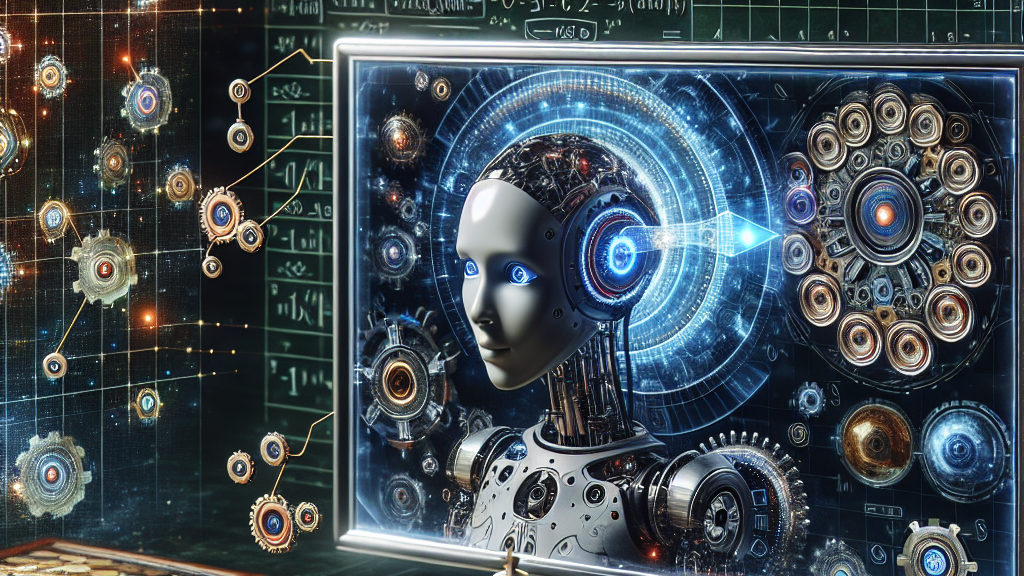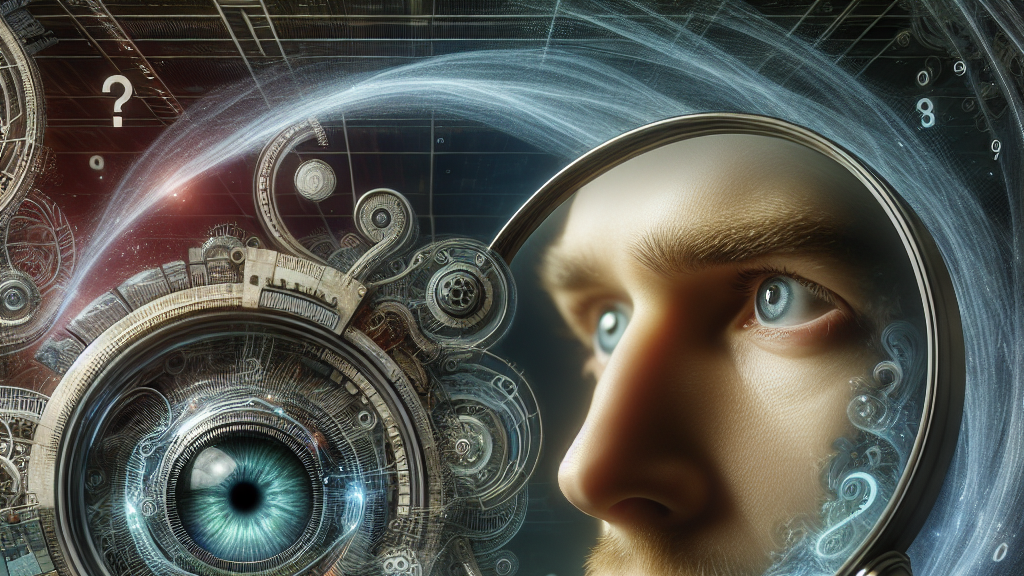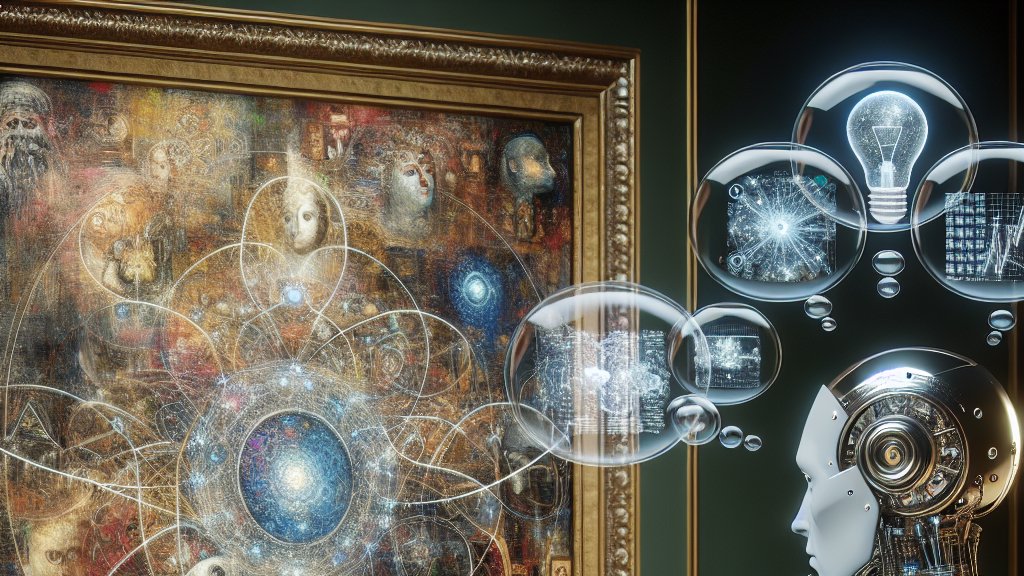
Imagine a world where AI can look at a painting and really understand its meaning, just like you do when you see something that makes you feel an emotion or remember a story. This isn’t just sci-fi; it’s becoming real with a new AI framework called Let Androids Dream. This could soon mean that AI might understand artworks and cultural images in ways we never thought possible.
The framework works by first converting the visual details of an image into detailed text descriptions. Then, it searches for additional knowledge that might clarify unclear parts of the image. Finally, it reasons through this information to grasp the image’s deeper meaning. By mimicking how humans think when trying to interpret art, this AI can bridge the gap between what computers see and the layers of meaning we perceive in images.
So, how could this impact you? Well, imagine if your favorite digital assistant could help you understand art or even guide you through a museum tour, explaining the cultural nuances and emotional undertones that each piece holds. This technology could transform educational experiences and make art more accessible and enjoyable for everyone.
Did you know? Humans often use more than 50% of their brain to process visual information, and now AI is catching up!
FAQs
How does the Let Androids Dream framework improve AI’s understanding of images?
The Let Androids Dream framework improves AI’s understanding of images by translating complex visual details into text, searching for additional knowledge to clarify ambiguous parts, and reasoning to grasp deeper meanings, similar to human cognition.
Why is understanding metaphorical meanings in images important for AI?
Understanding metaphorical meanings is crucial for AI because it allows machines to better interact with humans by interpreting cultural, emotional, and contextual information, enhancing things like digital assistance and virtual educational tools.
How does this advancement in AI affect everyday life?
This advancement could allow everyday technology to offer more insightful interactions, like helping users understand art pieces in museums or enhancing digital learning tools, making visual content more accessible and enjoyable.
Background
The key to understanding the research lies in comprehending how artificial intelligence (AI) processes visual information. Traditional AI struggles with high-level tasks like interpreting abstract art because it requires understanding cultural and emotional nuances. The Let Androids Dream framework mimics human cognitive processes by breaking visual interpretation into perception, search, and reasoning, which helps AI fill the contextual gaps that have been a challenge in the past.
History
This field has evolved significantly, beginning with basic image recognition where AI could distinguish objects or colors. Over time, models attempted to describe images in simple terms, but lacked deeper understanding. The shift towards combining visual and language processing in multimodal models aimed to mimic human interaction with images. This study builds on that by introducing a methodical three-stage process, improving upon multimodal language models by addressing their contextual limitations.
Based on “Let Androids Dream of Electric Sheep: A Human-like Image Implication Understanding and Reasoning Framework” by Chenhao Zhang, Yazhe Niu, available on arXiv (arxiv.org/abs/2505.17019), used under CC BY 4.0 (creativecommons.org/licenses/by/4.0/).