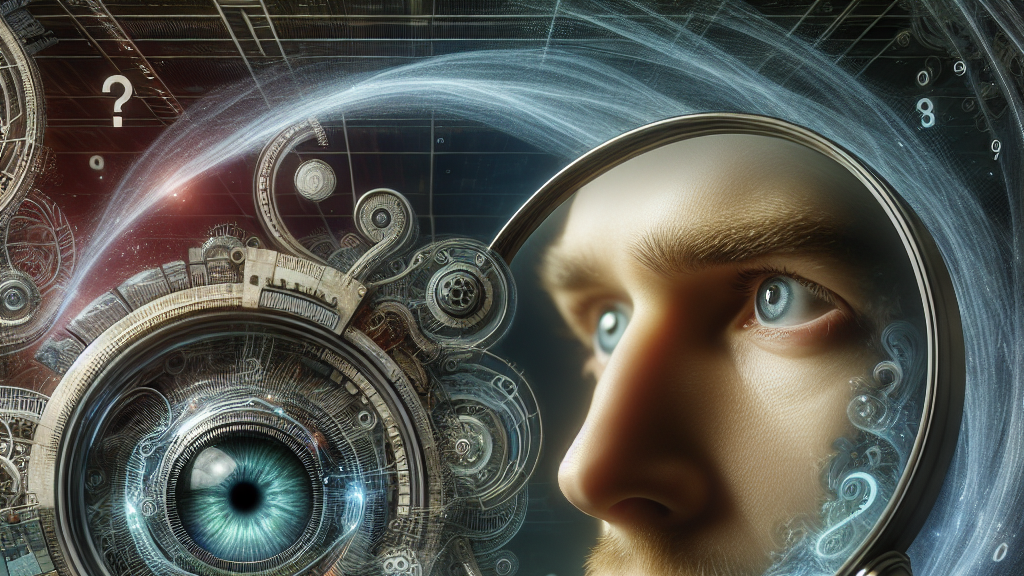
Imagine a world where any photo you see online could be a trick, a fake created to deceive. That’s the kind of world we’re heading towards as deepfakes—those realistic but false images and videos created by artificial intelligence—become more sophisticated. The bad news is that our current methods for detecting these fakes might not catch them all, especially the newer ones developed with techniques we haven’t seen yet.
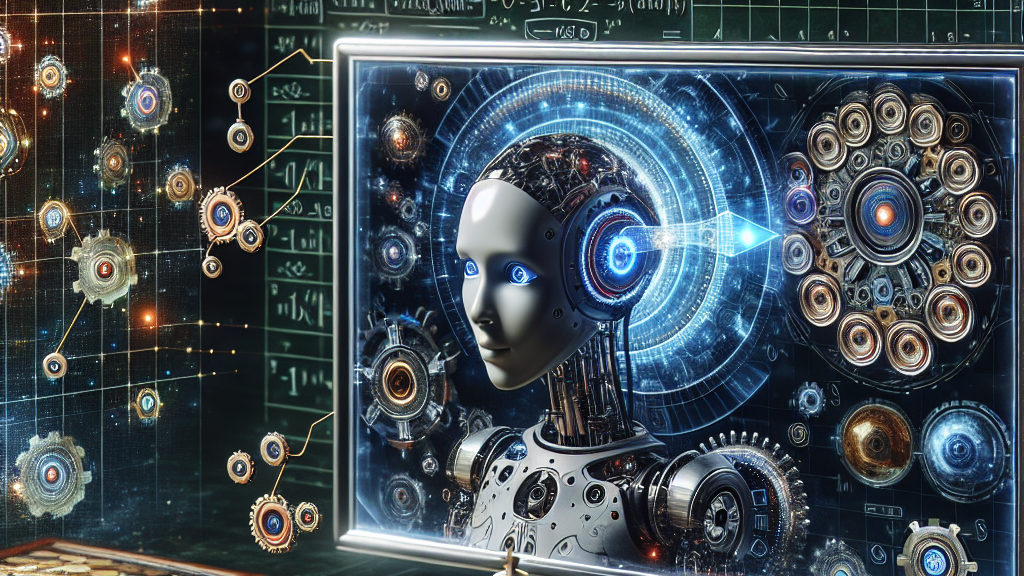
This research tackles that problem head-on by proposing a new way of spotting deepfakes. Traditional detection methods only work if they’ve been trained on a specific type of fake image. If a new type comes along that’s unlike anything seen before, these methods can fail. But the new approach relies on an ‘open-set’ model, a fancy way of saying it’s designed to be smart enough to spot forgeries even if they were created using methods it’s never encountered. So, if a deepfake is made with some cutting-edge technique, this model can still raise the alarm.
This could have profound impacts. Imagine being able to protect your online identity no matter how advanced the forgery technology becomes. Or think about the implications for stopping the spread of fake news, as this technology could help us quickly identify manipulated media meant to deceive. It’s like having a digital bouncer that never sleeps, making sure what we see online is the real deal.
Fake news with deepfakes could mimic anyone’s face and voice, fooling millions into believing false stories.
FAQs
How does this research improve deepfake detection methods?
This breakthrough uses an open-set paradigm, which means it’s not limited to detecting only known techniques, but can also flag new, unseen deepfakes.
Why are traditional deepfake detection methods inadequate?
Traditional methods work only when they’ve been trained on specific kinds of deepfakes, meaning they can miss new types that haven’t been encountered before.
How could open-set deepfake detection impact our daily lives?
This approach could make the internet safer by better identifying fake content, protecting identities, and limiting misinformation.
What’s the difference between open-set and closed-set paradigms?
The open-set paradigm allows the system to recognize unknown forgeries as ‘unknown’ rather than real, unlike the closed-set which can only identify forgeries it was trained on.
How is this research tested for effectiveness?
The research uses the FaceForensics++ dataset to benchmark and has achieved state-of-the-art results in distinguishing between real images and various known and unknown deepfakes.
Background
Deepfakes are computer-generated images or videos that closely mimic real people’s faces and voices. They’re made using advanced artificial intelligence, and while they can be used for fun or art, they also have the potential to spread misinformation and deceive people. Current deepfake detection systems are like a lock that only works with certain keys—it only catches what it’s trained to see.
History
Since emerging around 2017, deepfakes have steadily improved, making them harder to detect. Early detection methods focused on forensic approaches, looking for tiny inconsistencies in images. However, as generative AI evolved, deepfakes became more sophisticated, outpacing conventional methods. Recognizing this, researchers are now focusing on more adaptive systems like the open-set paradigm to keep up with ever-changing deepfake technology.
Based on “Unmasking the Unknown: Facial Deepfake Detection in the Open-Set Paradigm” by Nadarasar Bahavan, Sanjay Saha, Ken Chen, Sachith Seneviratne, Sanka Rasnayaka, Saman Halgamuge, available on arXiv (arxiv.org/abs/2503.08055), used under CC BY 4.0 (creativecommons.org/licenses/by/4.0/).