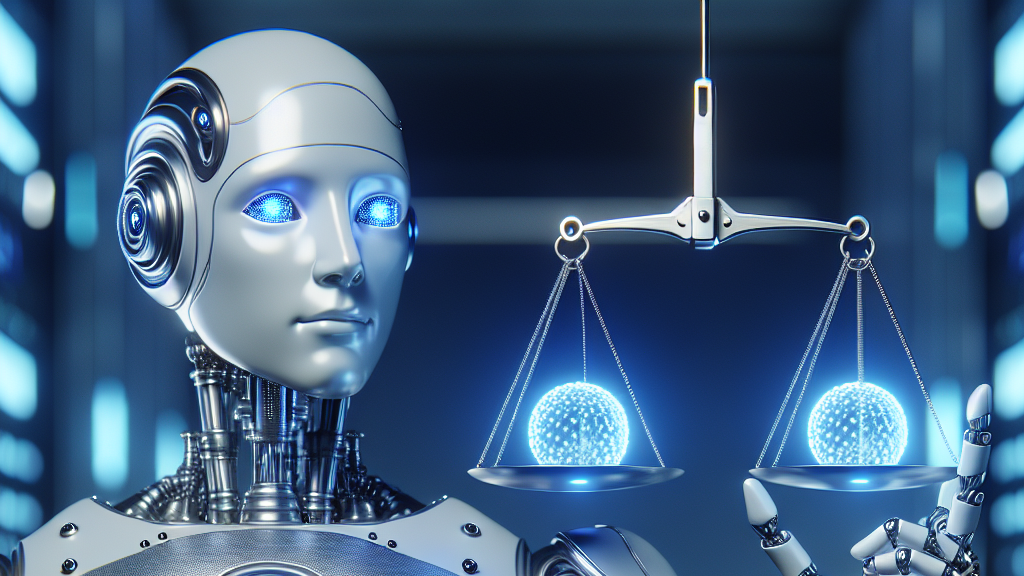
We’ve all heard the saying, ‘Beauty is only skin deep,’ but what if I told you that even your computer might disagree with that? Recent research shows that just like us, AI systems can judge a book by its cover, favoring those it finds attractive in its decision-making processes. This means if an AI thinks you’re good-looking, it might also think you’re smarter or more confident than you really are.
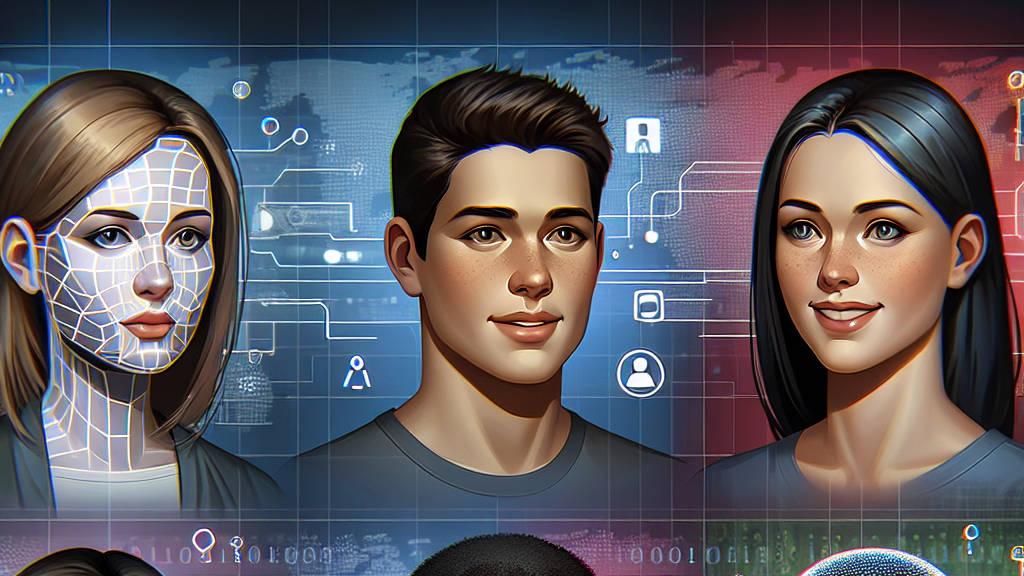
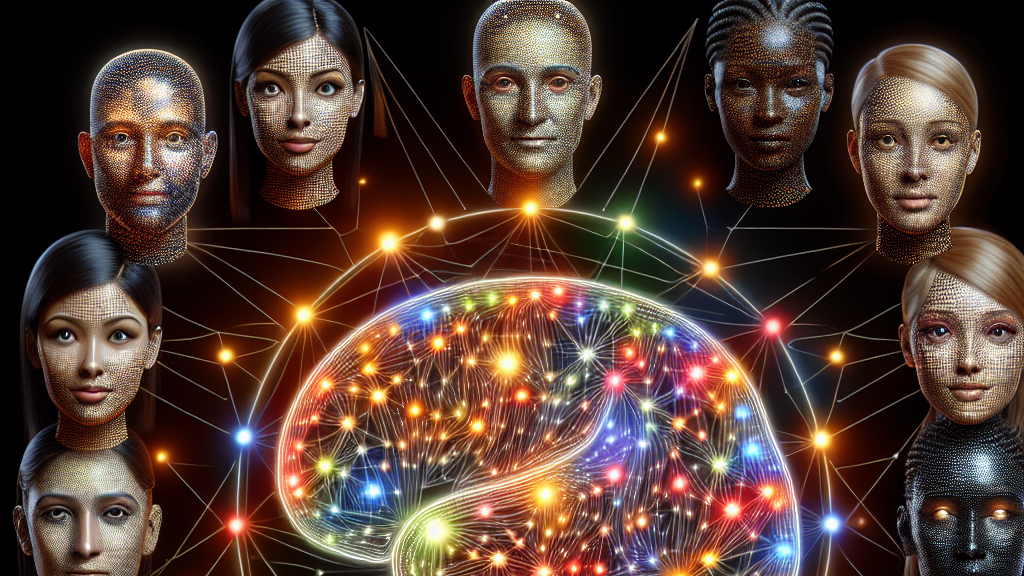
In a study involving nearly a thousand different face images, researchers tested a powerful AI model to see if beauty influences its decisions. Shockingly, they discovered that beauty bias affects over 80% of scenarios the AI was tested in! Just like people, AI has a tendency to rate attractive faces more positively. This beauty bias even goes further, intersecting with other biases, like gender, age, and race, showing a complex web of stereotypes at play in AI judgments.
Why does this matter for you? Imagine an AI deciding who gets a loan, a job, or even medical treatment. If it’s biased, it might not be fair to everyone. Fixing this requires recognizing and tackling these biases, so AI can make more balanced decisions. The research suggests we should be aware of how beauty affects our lives, not just in person, but also in the digital decisions that could impact our futures.
Did you know that AI systems can rate more attractive faces as having higher intelligence or confidence, just like people often do?
FAQs
How does beauty bias influence AI decision-making?
Beauty bias in AI means that models may favor more attractive individuals, assigning them more positive traits and making decisions that are not based on objective measures.
What scenarios were used to test AI beauty bias?
The research included 91 different socially relevant scenarios, using a diverse dataset to assess how attractiveness influences AI decisions.
Does AI beauty bias intersect with other biases?
Yes, the study uncovered that beauty bias in AI also intersects with other biases such as gender, age, and race, showing a multi-layered impact on decision-making.
Why is it important to address beauty bias in AI?
Addressing beauty bias is crucial because AI models are increasingly used in critical areas like hiring, lending, and medical diagnosis. Unchecked, this bias can lead to unfair and unequal treatment.
How can AI bias be mitigated?
To mitigate AI bias, systematic efforts are needed to detect and address biases, ensuring AI models are trained and evaluated with diverse, representative datasets.
Background
The attractiveness halo effect is a psychological concept where attractive individuals are assumed to have positive qualities, influencing human judgments. This study examines if multimodal large language models, which can analyze both text and images, are affected by a similar bias when making decisions.
History
Previous research has extensively documented the attractiveness halo effect in human interactions—people often link attractiveness with positive attributes like intelligence. However, understanding if and how AI replicates these biases is a newer field. This study builds on the established understanding of human biases and explores their presence in AI models.
Based on “Uncovering an Attractiveness Bias in Multimodal Large Language Models: A Case Study with LLaVA” by Aditya Gulati, Moreno D’Incà, Nicu Sebe, Bruno Lepri, Nuria Oliver, available on arXiv (arxiv.org/abs/2504.16104), used under CC BY 4.0 (creativecommons.org/licenses/by/4.0/).