





































































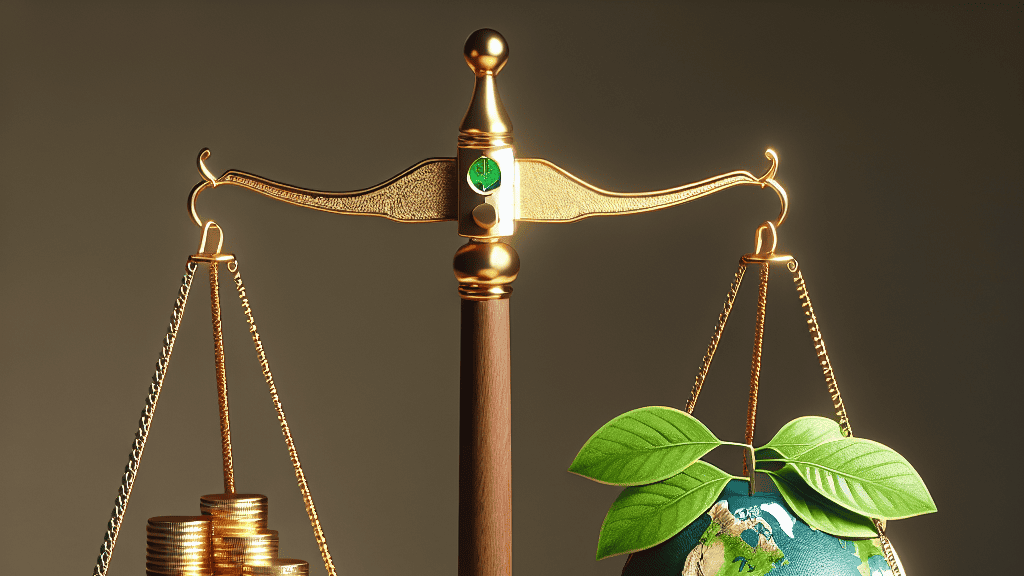
Imagine a world where cutting down emissions doesn’t just help our planet but also shakes up our wallets. When countries set carbon pricing policies to tackle climate change, they inadvertently cause something else – inflation. As companies adapt by tweaking production or buying permits, consumer prices can rise, leaving us paying more for everyday goods.
This research dives into a hypothetical emissions-regulated economy to see exactly how these policies play out. It maps out how companies adjust their pollution levels and how their choices can impact what we pay at the store. The study also tackles the tricky job of regulators: balancing the critical need to cut emissions against the equally important goal of keeping inflation in check. Imagine you’re juggling these priorities—how do you find harmony between saving the planet and maintaining our spending power?
The conclusion might surprise you: even if keeping inflation lower is a tempting goal, the costs of not reducing emissions far outweigh any savings from keeping price hikes minimal. So, why does it matter? Next time you’re filling up your cart or paying your electricity bill, think about these hidden forces at play. The research gives policymakers a hard nudge towards focusing on emissions over temporary economic relief, revealing just how interconnected our actions for the earth and economy truly are.
Carbon pricing aims to reduce emissions by making pollution more expensive, but it can also lead to higher prices for everyday goods.
FAQs
How does carbon pricing affect everyday shopping?
Carbon pricing can lead to higher consumer prices as companies adjust their production processes. This means everyday items may cost more as firms pass on the costs of complying with emissions regulations.
Why is cutting emissions prioritized over controlling inflation?
Research indicates that the long-term costs of not reducing emissions, like environmental damage and health issues, outweigh the temporary economic relief from controlling inflation. Prioritizing emissions cuts ensures a sustainable future.
Are there benefits to accepting higher inflation due to emissions cuts?
Yes, while higher inflation might be tough on our wallets short-term, the long-term environmental benefits and prevention of larger financial burdens from climate change make it worthwhile.
What strategies do companies use to adapt to carbon pricing?
Companies can reduce emissions by adjusting production methods, investing in cleaner technologies, or purchasing permits that allow limited pollution, influencing their product pricing.
Can balancing inflation and emissions goals be achieved?
Achieving a balance requires strategic regulatory guidance, but the research suggests that emissions reductions should remain the primary focus, even if it means tolerating some inflation.
Background
Carbon pricing is a policy tool that charges companies for emitting carbon dioxide, incentivizing them to reduce their carbon footprint. By making pollution more expensive, firms are compelled to either cut emissions or pay for the permits that allow them to pollute, impacting production costs and consumer prices. The consumer price index reflects these changes, influencing inflation rates across the economy. Policymakers must then decide how to allocate resources, weigh emissions reductions, and manage inflation concerns.
History
Carbon pricing has been a growing focus since the late 20th century, with efforts like the Kyoto Protocol encouraging emissions trading and pricing strategies to curb global warming. Over the years, various countries have implemented carbon taxes or cap-and-trade systems, each with differing impacts on their economies. This study builds on those foundations, exploring the dynamic dance between environmental goals and economic stability.
Based on “Emission impossible: Balancing Environmental Concerns and Inflation” by René Aïd, Maria Arduca, Sara Biagini, Luca Taschini, available on arXiv (arxiv.org/abs/2501.16953), used under CC BY 4.0 (creativecommons.org/licenses/by/4.0/).
