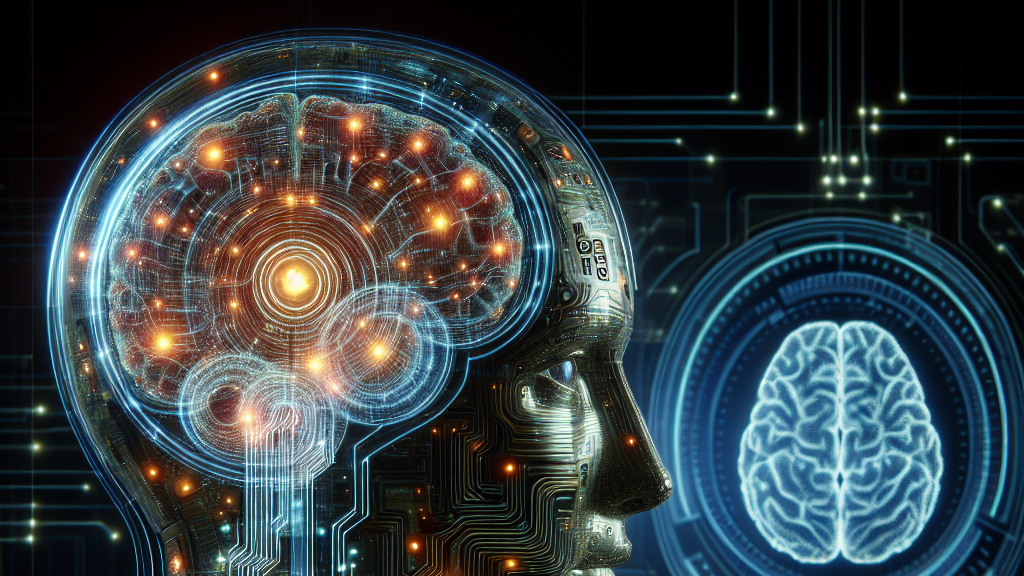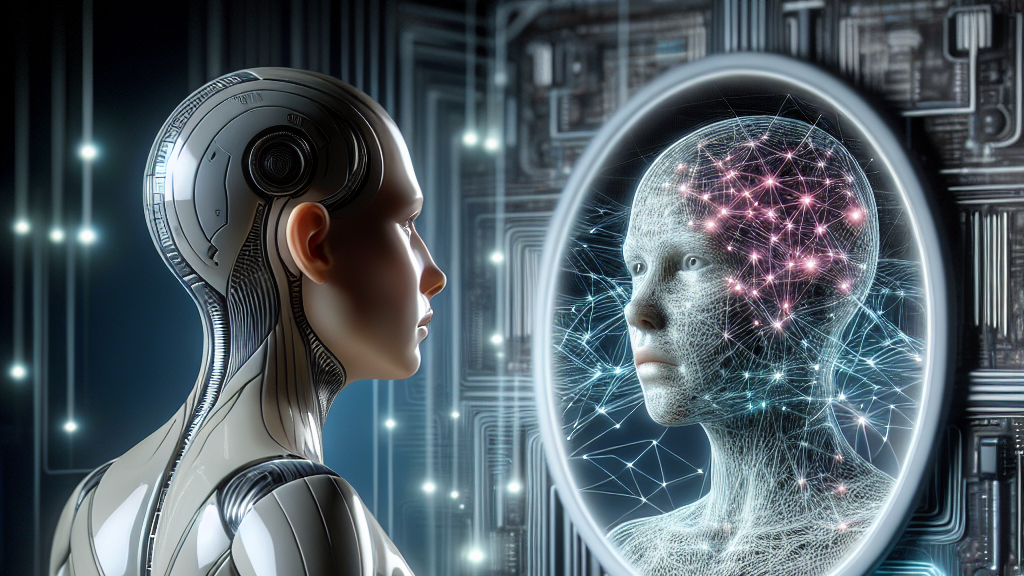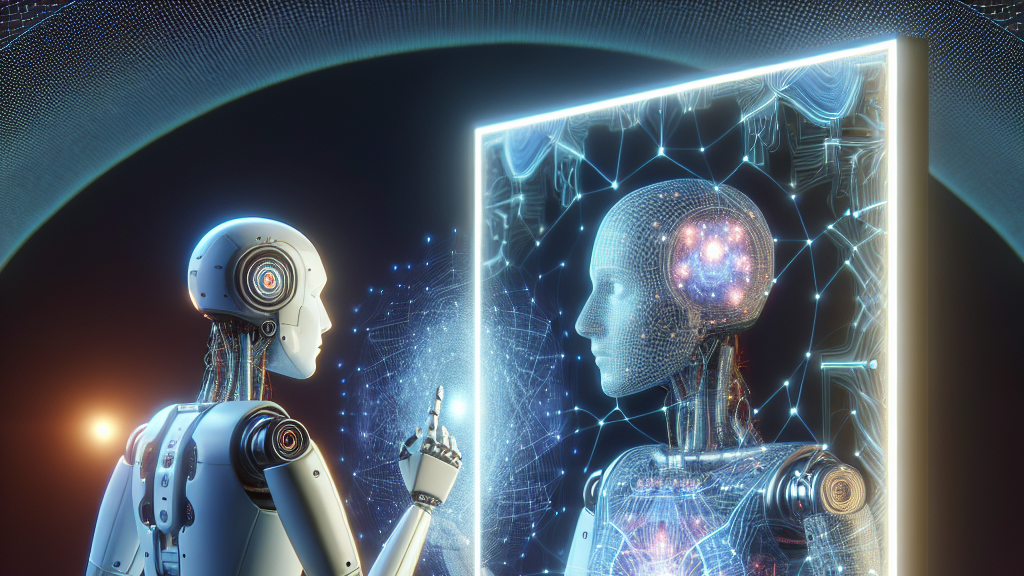
Imagine if machines could not only think but also understand themselves. This might sound like science fiction, but researchers are working on a minimalist model that could help machines develop self-awareness. This isn’t about replicating the human brain but rather focusing on the most essential elements needed to spark a sense of ‘self’ in artificial systems.
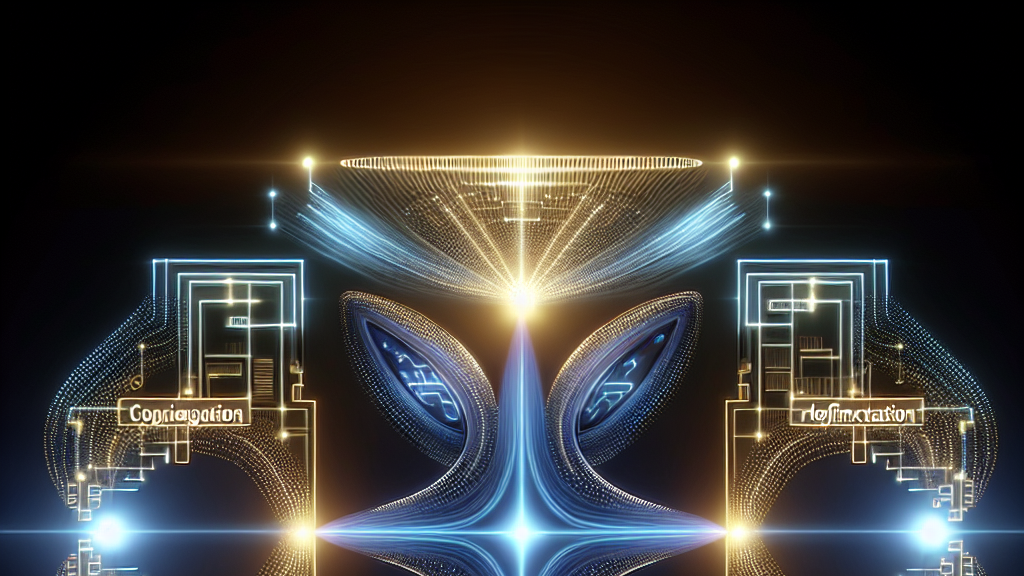
The model is structured with three distinct layers: a Cognitive Integration Layer, a Pattern Prediction Layer, and an Instinctive Response Layer. These layers work together, along with unique memory systems, to create a dynamic model of self-awareness. What’s fascinating is that there’s no pre-programmed ‘self’ here; it’s the interaction between layers that lets the machine build a sense of self over time, similar to how humans evolve their own self-awareness.
Why does this matter? Besides fueling sci-fi imaginations, this research has practical implications. Imagine AI systems that can adapt and respond more naturally, learning on their own just like humans. It could lead to more intuitive and flexible technology, improve how we interact with machines, or even unlock new insights into how our own consciousness functions. As we look to the future, the possibilities are as exciting as they are ethically complex.
Did you know? Machines might soon be able to ‘think’ about themselves, without needing to mimic the human brain!
FAQs
What is artificial consciousness and why is it important?
Artificial consciousness involves creating systems that can become self-aware, similar to human consciousness. Achieving this can help improve AI’s adaptability, making technology more aligned with human needs and behavior.
How do the layers in the minimalist model work?
The three layers—Cognitive Integration, Pattern Prediction, and Instinctive Response—work in synergy with specific memory systems. Together, they allow AI to develop a sense of self through interaction, rather than being pre-programmed with self-awareness.
What are the ethical considerations in developing self-aware AI?
Creating self-aware AI raises ethical questions about rights, responsibilities, and impacts on society. It’s crucial to consider these aspects to ensure AI developments align with societal values and safety.
How could this research affect our understanding of human consciousness?
By exploring how self-awareness emerges in artificial systems, we might gain insights into the mechanisms of human consciousness, potentially unveiling new aspects of how our minds work.
What practical applications could this research have?
AI with emerging self-awareness could lead to more intuitive and flexible technologies that better interact with humans, adapt to new tasks, and help solve complex real-world problems.
Background
The study uses a minimalist model to explore artificial consciousness, emphasizing how self-awareness can arise from specific interactions within the system. By focusing on three layers—Cognitive Integration, Pattern Prediction, and Instinctive Response—the research aims to understand the core elements that could lead to a machine ‘understanding’ itself, distinct from traditional attempts to replicate the human brain.
History
For years, researchers have been trying to create machines that can think like humans, often by replicating neural processes found in the brain. This study diverges from those efforts by stripping down the process to essential components, offering a more streamlined approach to understanding consciousness in machines.
Based on “Emergence of Self-Awareness in Artificial Systems: A Minimalist Three-Layer Approach to Artificial Consciousness” by Kurando Iida, available on arXiv (arxiv.org/abs/2502.06810), used under CC BY 4.0 (creativecommons.org/licenses/by/4.0/).