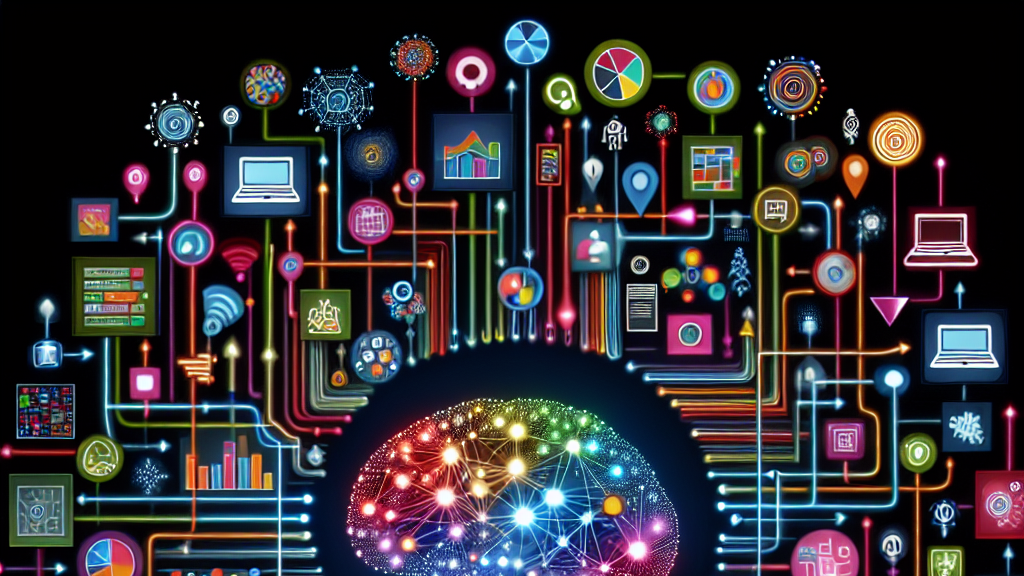
Did you know that mixing different types of data can actually make AI systems smarter and more accurate? By pulling information from various sources, researchers have discovered that AI can learn more effectively and reduce the chance of errors. This fascinating approach is likened to having multiple voices in a choir create a richer and more harmonious sound as opposed to a single note.
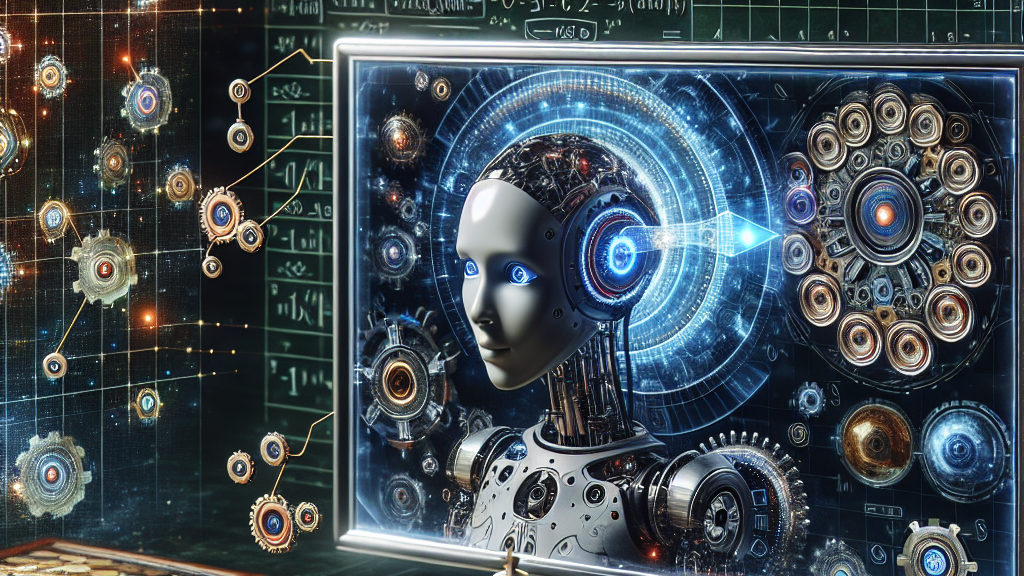
The research focuses on something called ‘data balancing,’ where information from multiple sources (like pictures and text) is combined in AI models. This method is being used in advanced AI systems such as CLIP and DINO, which are known for their impressive capabilities in understanding visuals and language. The breakthrough here is that by balancing data this way, AI not only understands better but also makes fewer mistakes thanks to a nifty phenomenon known as ‘variance reduction.’ Imagine it like using a mix of spices to create a tastier dish compared to just one seasoning.
In the future, this could mean that AI, like the ones on your phone or in your home assistant, will be able to recognize images and understand speech with much greater precision. Think of all the ways this could be applied: from safer self-driving cars that ‘see’ better and improve their decision-making to apps that can more accurately translate or identify objects around you. By making AI smarter through data mixing, technology continues to get better at assisting us in our everyday lives.
AI models that mix data sources can reduce errors similar to how a choir harmonizes multiple voices into one beautiful sound.
FAQs
How does data balancing in AI work?
Data balancing in AI involves combining information from different sources, like images and text, to create smarter systems. This blending helps AI learn more effectively and reduces the chance of errors.
What is variance reduction in AI?
Variance reduction in AI refers to the decrease in errors when data balancing techniques are used. By combining diverse data, AI models can make more accurate predictions, akin to how multiple viewpoints can form a clearer picture.
Why is multimodal learning important for AI systems?
Multimodal learning is crucial for AI because it allows models to process and understand different types of data – like visual and textual data – together, enhancing their comprehension and decision-making abilities.
How can data balancing impact everyday AI technology?
Data balancing can improve everyday AI technology by making systems like voice assistants or image recognition tools more reliable and accurate, leading to enhanced user experiences and more efficient tech solutions.
What are some examples of AI systems using data balancing?
Examples of AI systems using data balancing include CLIP and DINO, which are designed to handle and understand visuals and language, providing more advanced and nuanced AI capabilities.
Background
Data balancing in AI refers to the method of integrating diverse data types or sources to improve model learning. This concept is based on the idea that having varied inputs can help AI systems develop a more comprehensive understanding of their tasks, similar to how a person might benefit from multiple learning resources. A key part of this is variance reduction, which ensures that AI predictions are more consistent and reliable, effectively minimizing errors.
History
In the past, AI models often relied on a single type of data, which limited their ability to adapt and perform well across different tasks. The history of this area involves a gradual shift towards integrating multiple data sources, a practice observed in projects like CLIP and DINO. These systems have pioneered the use of multimodal learning, showing remarkable improvements in understanding and interpreting datasets that include both visual and textual information. This study builds on the foundation of these advancements by quantifying the benefits of data balancing through variance reduction.
Based on “The Benefits of Balance: From Information Projections to Variance Reduction” by Lang Liu, Ronak Mehta, Soumik Pal, Zaid Harchaoui, available on arXiv (arxiv.org/abs/2408.15065), used under CC BY 4.0 (creativecommons.org/licenses/by/4.0/).