





































































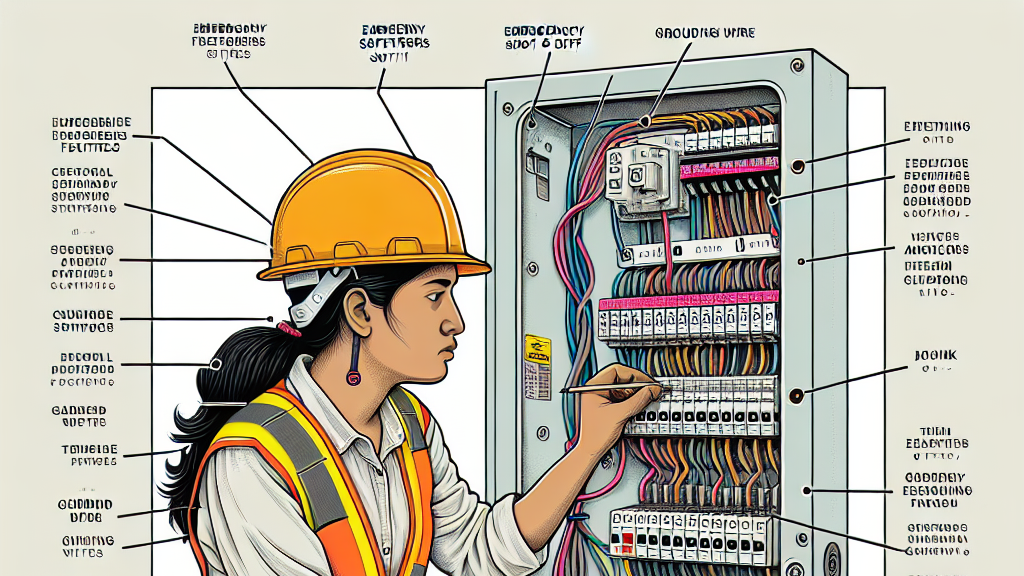
Imagine if something as simple as the design of your electrical equipment could mean the difference between life and death. Recent studies have shown that certain features in electrical setups might actually tempt workers to take risks, violating important safety standards. But don’t worry, there’s a bright side: tweaks in design can turn potential hazards into safeguards.
The research reveals that when electrical equipment isn’t designed thoughtfully, it might nudge workers into unsafe practices, breaching NFPA 70E guidelines—these are the gold standard for ensuring electrical safety. For instance, if switches and panels are placed awkwardly, workers might be forced to improvise, sometimes dangerously. The good news? Professionals are not just identifying these risky shortcuts—they’re revamping designs to promote safety first.
In practical terms, think about it like this: the next time an electrician comes to your home, the design upgrades in their tools and equipment might be subtle but significant. By making access points easier to reach or more intuitive to use, not only is the job done better, but it’s done more safely. This means fewer accidents, happier workers, and perhaps more importantly, everyone getting home safe at the end of the day.
Did you know? Poorly designed electrical equipment can lead to actions that violate safety standards, yet smart design tweaks can greatly reduce the risk of accidents.
FAQs
Why is the design of electrical equipment important for worker safety?
Design plays a critical role in safety, as equipment that encourages unsafe practices can lead to accidents. By improving designs, we can help ensure workers are following safety standards, reducing the risk of incidents.
How can equipment design encourage unsafe electrical work?
When equipment is poorly designed, it can make safe procedures more difficult to follow, encouraging workers to take shortcuts that violate safety standards like NFPA 70E.
What changes can improve the safety of electrical equipment?
Design improvements such as better placement and accessibility of controls, clearer labeling, and intuitive operation can make it easier for workers to follow safety protocols, reducing accidents.
How does the NFPA 70E standard relate to electrical safety?
NFPA 70E is a set of guidelines that help ensure electrical safety in the workplace, providing best practices to prevent injuries or fatalities from electrical hazards.
Can these design improvements affect non-professionals or homeowners?
Absolutely! Safer electrical design impacts everyone, not just professionals. It means fewer accidents, and enhanced safety measures for anyone interacting with electrical installations.
Background
The National Fire Protection Association (NFPA) 70E standard provides guidelines for electrical safety, aiming to protect workers from hazards like shocks and arc flashes. The study highlights how poor equipment design can lead workers to inadvertently breach these guidelines, risking their safety. By incorporating safer design elements, such as user-friendly access and clear labeling, risks can be minimized.
History
Workplace safety has been a focus for decades, with standards like NFPA 70E evolving to address new challenges. However, many incidents still occur due to design lapses. Prior studies pointed out the correlation between equipment design and safety compliance, laying the foundation for research into practical design improvements that can truly make a difference.
Based on “Design Didn’t Prevent These Hazard Exposures” by David. E Mertz (Fermilab), available on arXiv (arxiv.org/abs/2506.03280), used under CC BY 4.0 (creativecommons.org/licenses/by/4.0/).
