





































































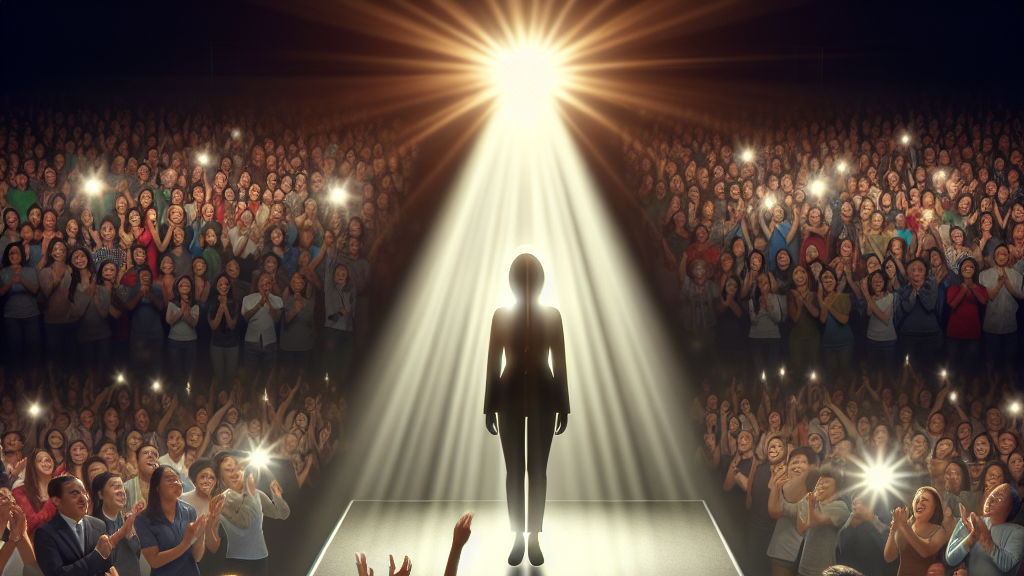
Imagine if cheering for a hero wasn’t just about the hero, but also about you. Whenever someone does something extraordinarily selfless, like saving a life, it’s not just their courage we admire. It’s our shared values and what they say about us that gets celebrated, too.
Researchers have delved deep into why we feel compelled to celebrate heroes so enthusiastically. Their model suggests that this behavior arises because, by praising publicly, we actually signal our own commitment to the values demonstrated by these heroes. It’s like a social badge of honor that says, “I care about the same things you do!” This winner-take-all admiration race makes only a few standout individuals engage in extreme behaviors, knowing they might capture the crowd’s heart.
Think about all the viral stories celebrating heroism, like the stranger who pulled someone from a burning building. While they become internet sensations, we all share their glory by applauding, retweeting, or commenting. This practice reinforces the values we cherish and show to our social circles. Who knows? Maybe recognizing this pattern will make us even more mindful of our reactions, perhaps driving us closer to the role of heroes ourselves.
Did you know that people often praise heroes to signal their own values to others, not just to celebrate the hero?
FAQs
Why do we celebrate heroes so much?
We celebrate heroes because it’s a way to showcase our own commitment to shared values. When we publicly admire heroic acts, we signal to others that we cherish similar virtues.
How does public praise for heroes impact social behavior?
Public praise can create a competitive environment where individuals strive to perform altruistic acts in hope of gaining admiration. It acts as a social motivator for heroic behavior.
Is celebrating heroes really about the heroes themselves?
While it acknowledges the hero, much of the celebration is about affirming the praiser’s values and commitment to the virtues displayed by the hero. It’s a reflection of society’s shared morals.
What are the implications of this research on social interactions?
This research suggests that our reactions are deeply ingrained in societal norms and collective values, highlighting the complex social dynamics behind what may seem like simple admiration.
Could this research change how we view altruism?
Yes, it offers a fresh perspective on altruism by emphasizing how social signals and personal values play a role in both heroic acts and their celebration.
Background
Heroic behavior has fascinated behavioral scientists for years, focusing on why few individuals perform selfless acts, while many more celebrate them. This research explores the psychology behind why people go out of their way to publicly praise heroes, suggesting that it’s more about the praiser than the praised. The study uses social signaling theory, which proposes that behaviors can serve as indicators of underlying, often socially favorable traits or commitments.
History
Interest in altruistic behavior and heroism has long been a subject of study, but the notion of public praise as a social signal is more recent. Past studies examined why people perform heroic acts, but few considered the psychological and social dynamics behind the public admiration of these figures. This research builds on social signaling theories, applying them to the context of heroism to offer a fresh angle on why such admiration is so widespread.
Based on “Why Honor Heroes? The emergence of extreme altruistic behavior as a by-product of praisers’ self-promotion” by Jean-Louis Dessalles, available on arXiv (arxiv.org/abs/2408.08893), used under CC BY 4.0 (creativecommons.org/licenses/by/4.0/).
