





































































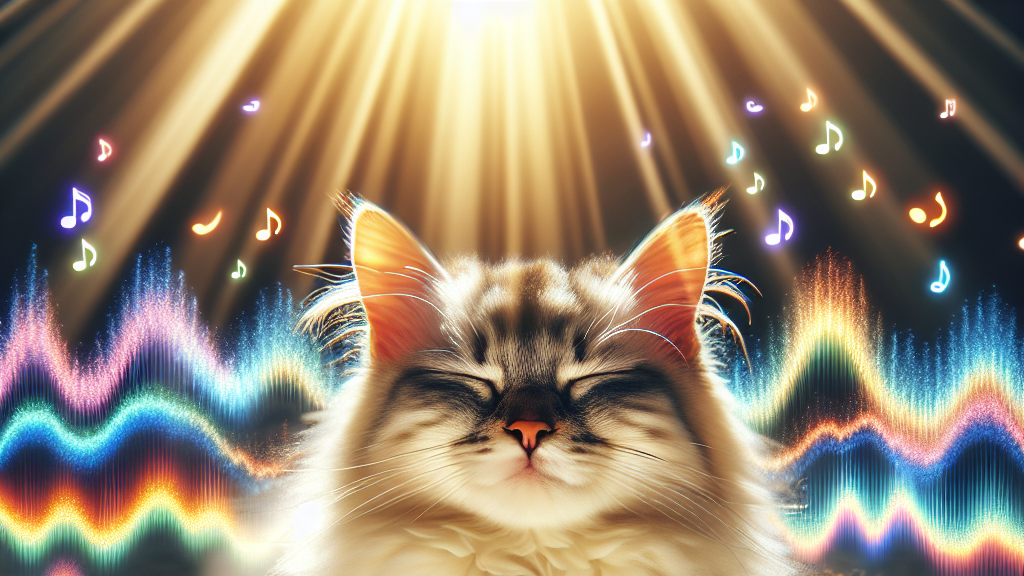
Ever wondered what your cat’s purring really means? While it often seems to signal contentment, researchers are diving into a fascinating new area of study called catsteroseismology to determine if there’s much more beneath that soothing sound.
By examining what’s been dubbed ‘purr-modes,’ scientists are investigating how a cat’s size, fluffiness, and even personality traits like intelligence or playfulness might be linked to their purring. The goal is to see if these purr-modes, which vary in ways we don’t yet fully grasp, can actually give us insights into a cat’s emotions and inner life.
Imagine being able to understand what your cat is feeling just by listening to its purr. If researchers can piece together this puzzle, it might revolutionize how we communicate with and care for our feline companions. Whether your kitty is a snuggly lap cat or a feisty ball of energy, knowing what lies behind their purrs could deepen your bond like never before.
Cats not only purr when they’re happy but also when they’re nervous or need comfort, making it a unique form of feline communication.
FAQs
How does cat purring relate to their physical traits?
Researchers are investigating if characteristics like size or fluffiness influence a cat’s purr-modes, potentially revealing insights about their emotions.
Can a cat’s personality predict their purring style?
Scientists are exploring if traits such as intelligence or aggression correlate with how cats purr, which could help decode feline feelings.
Why is understanding cat purring important?
Deciphering purr-modes could enhance how people communicate with their cats, improving care and deepening pet-owner bonds.
Are there any practical uses for this research on cat purring?
If successful, this research could empower cat owners to better understand their pets’ needs and emotions through their unique purrs.
What is catsteroseismology?
Catsteroseismology is a budding field studying ‘purr-modes’ to unpack the mysteries of cat emotions using their purrs.
Background
Cat purring is a low-frequency sound that cats often produce in various situations, from being happy and content to feeling anxious or in need of healing. Researchers are investigating these ‘purr-modes’ to determine if they can provide clues about a cat’s emotional and physical state. By linking these modes to physical and personality traits, the study aims to unlock potential insights into feline psychology.
History
Traditionally, cat behavior studies focused on visible actions and vocalizations. Recently, scientists have become intrigued by the nuances of purring, which remains less understood. Previous studies hinted at purring’s variability, prompting research into how this constant in feline life could hold keys to deeper understanding—a journey that could reshape our relationship with these enigmatic pets.
Based on “Catsteroseismology: Survey-based Analysis of Purr-mode Oscillations Suggests Inner Lives of Cats are Unknowable” by Rae Holcomb, Christopher Lam, available on arXiv (arxiv.org/abs/2503.23560), used under CC BY 4.0 (creativecommons.org/licenses/by/4.0/).
