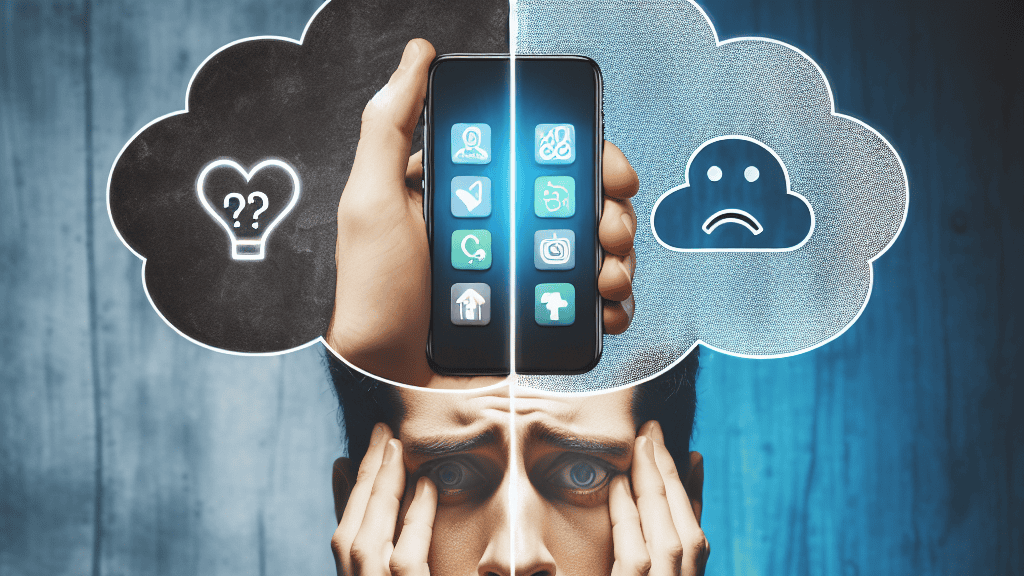
Imagine being able to tackle depression right from your smartphone. It’s an exciting concept, especially when traditional medication doesn’t always do the trick. With more and more people dealing with both depression and anxiety at the same time, finding effective ways to ease these struggles is crucial. But did you know that your level of anxiety might affect how well these digital treatments work for you?
In a large clinical study involving nearly 500 people, researchers explored how anxiety impacts the success of smartphone-based interventions for depression. They found that people with moderate to severe anxiety often don’t benefit as much from these digital treatments. By using machine learning—essentially teaching computers to learn from data—they were able to predict who might struggle to improve with just a few simple pieces of information, like a quick questionnaire.
This discovery might seem small, but think about how it could shape the future of mental health treatment. Doctors could soon have better ways to decide which therapies might work best for each person, potentially combining smartphone apps with other approaches for those with more severe anxiety. It could mean more personalized and effective mental health care, right at your fingertips!
Did you know? Almost 1 in 5 people with depression also experience an anxiety disorder.
FAQs
How do anxiety disorders impact smartphone therapy for depression?
Anxiety disorders can reduce the effectiveness of smartphone-based therapies for depression, especially when anxiety levels are moderate to severe.
What is the GAD-7 questionnaire in this study?
The GAD-7 is a quick survey used to assess the severity of anxiety symptoms, which helps predict how well someone might respond to smartphone therapies for depression.
How does machine learning help in this research?
Machine learning techniques create models that can predict which patients are less likely to recover from depression treatments based on factors like anxiety levels.
Why is personalized therapy important for treating depression and anxiety?
Personalized therapy ensures that individuals receive treatments that are more likely to work for them, improving outcomes and reducing the trial-and-error aspect of mental health care.
Could this research change how mental health treatments are chosen?
Yes, by identifying patients who might not benefit from certain therapies, this research could lead to more tailored treatment plans, enhancing overall care quality.
Background
Major Depressive Disorder (MDD) is a common mental health issue that often co-occurs with anxiety disorders. When both conditions exist together, they can complicate treatment efforts. Typically, anxiety can hinder the effectiveness of traditional medication, making alternative treatments necessary. Recently, the use of smartphone-based interventions for depression has received attention for their accessibility and potential effectiveness. Machine learning, a form of artificial intelligence, is being used to analyze data from clinical trials to improve treatment predictions.
History
The link between depression and anxiety has been studied for decades, with early research showing that anxiety can complicate the treatment of depression with medication. As technology advanced, new treatments emerged, including digital interventions like apps. Studies in the 21st century have gradually explored these technological tools, aiming to make mental health care more accessible. This study builds on these developments by applying machine learning to uncover patterns in treatment responses, offering a more data-driven approach to mental health care.
Based on “Comorbid anxiety predicts lower odds of depression improvement during smartphone-delivered psychotherapy” by Morgan B. Talbot, Jessica M. Lipschitz, Omar Costilla-Reyes, available on arXiv (arxiv.org/abs/2409.11183), used under CC BY 4.0 (creativecommons.org/licenses/by/4.0/).