Imagine if the first whispers about COVID-19 could be traced back to online shopping habits. Around the world, people began searching and purchasing essential items even before the virus was officially acknowledged. This phenomenon wasn’t just about panic buying; it offered a snapshot of how different groups were becoming aware of the impending crisis and how their reactions varied based on culture, access to information, and socio-economic status.
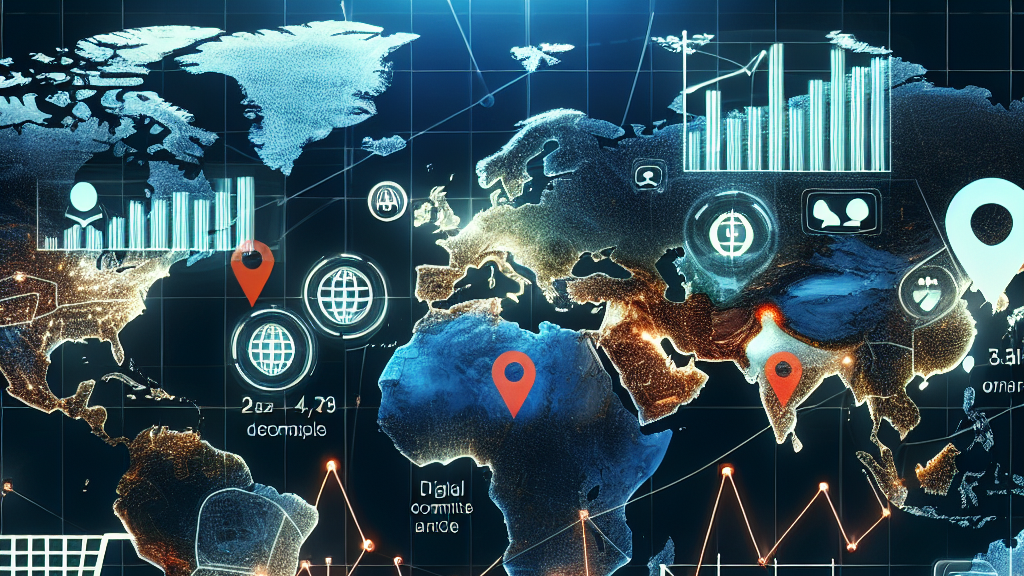
This intriguing research tapped into a gigantic dataset of 150 billion online searches and purchases from 94 million users. It wasn’t just about finding trends; it was about understanding how awareness spread unevenly across different communities. Some groups moved quickly to stock up, while others lagged behind, highlighting glaring social inequalities and the crucial role of cultural factors in shaping public response. By mapping awareness diffusion across diverse social networks, researchers could pinpoint vulnerabilities and propose ways to better manage similar situations in the future.
Imagine you could predict who might be most affected by future pandemics, not just from a health perspective but from an access-to-information standpoint. This research paves the way for using e-commerce and social data to detect early signs of crisis and implement timely interventions. By focusing on how information spreads in our interconnected world, future health responses can be faster and more equitable, potentially saving lives and resources by leveling the playing field during public health emergencies.
Before the first confirmed COVID-19 case, ‘mysterious virus’ searches spiked online, hinting at early public awareness.
FAQs
How did e-commerce data reveal early COVID-19 awareness?
By analyzing a massive dataset of 150 billion online searches and purchases from 94 million users, researchers tracked how awareness about COVID-19 spread through society even before the first confirmed cases, revealing early public response patterns.
What social inequalities were uncovered in early pandemic awareness?
The study found significant disparities in how different demographic groups accessed and reacted to pandemic information, exposing how cultural and socio-economic factors influenced public behavior and awareness.
What role did social networks play in spreading awareness?
Understanding how information propagated through heterogeneous social networks helped researchers identify vulnerable populations and propose strategies to manage public health responses more effectively in future pandemics.
Why is this research significant for future pandemic management?
By leveraging e-commerce and social network data, researchers can better predict and mitigate the impacts of future pandemics by ensuring more equitable information access and response strategies, potentially saving lives and resources.
Could this approach be used beyond pandemics?
Yes, analyzing online behavior holds potential for understanding awareness and behavior patterns in various global crises, offering insights for timely interventions and resource allocations.
Background
The study of how information spreads through society during critical events, like pandemics, is crucial for creating effective public responses. In this research, e-commerce data acted as a vital resource for understanding early awareness and response to COVID-19. By looking at online searches and purchasing behaviors, researchers identified how different communities reacted at different times, revealing significant social disparities in awareness diffusion.
History
Past studies on awareness diffusion mainly relied on surveys and small-scale datasets. However, this approach used an unprecedented scale of e-commerce data to understand real-time public behavior during the early days of COVID-19. This method represents a shift towards leveraging big data to study social phenomena, allowing researchers to capture a more nuanced view of societal reactions.
Based on “Social inequality and cultural factors impact the awareness and reaction during the cryptic transmission period of pandemic” by Zhuoren Jiang, Xiaozhong Liu, Yangyang Kang, Changlong Sun, Yong-Yeol Ahn, Johan Bollen, available on arXiv (arxiv.org/abs/2502.05622), used under CC BY 4.0 (creativecommons.org/licenses/by/4.0/).