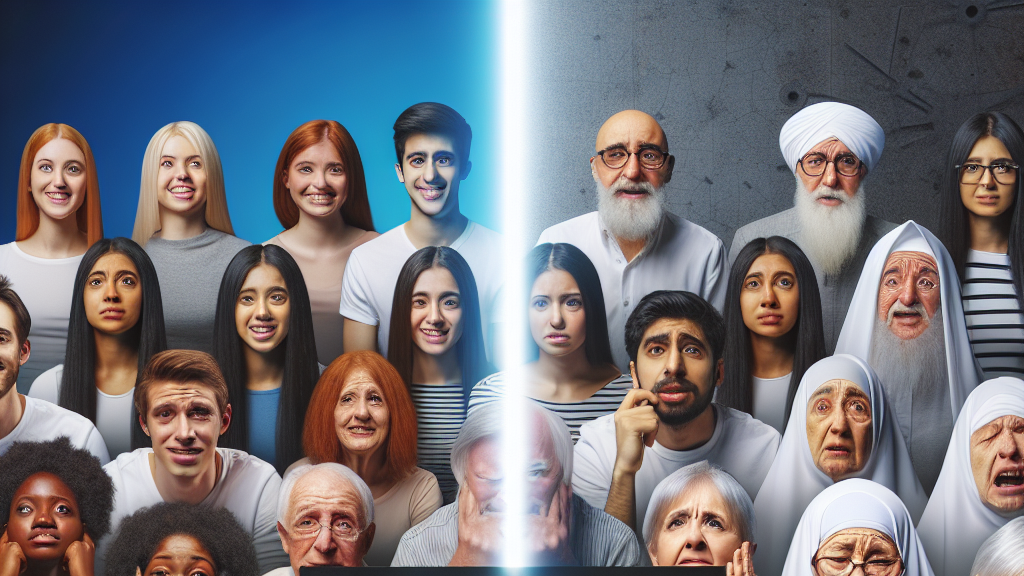
Have you ever felt left behind in our tech-savvy world? You’re not alone. A study reveals that the whirlwind shift to digital during COVID-19 left some of us struggling to keep up while others zoomed ahead. This change in scenery didn’t just alter how we work and socialize—it deepened a digital divide based on age, gender, and education.
Our research surveyed over a thousand people in Germany and uncovered a stark reality: younger men with higher education were more likely to boost their online skills, leaving older and less-educated individuals behind. These digital changes helped people communicate better using video calls and think more critically about what they read online. While this transformation feels empowering, it also comes with a sting—those improved skills mean feeling more informed but also experiencing heightened loneliness.
Imagine reaching out to your grandma on Zoom only to find her struggling to join the call. This scenario highlights how vital digital skills have become and why addressing these gaps is crucial. As technology evolves, ensuring everyone has the opportunity to thrive in a digital world is more important than ever. Teaching digital literacy could empower all ages, making the digital world accessible for everyone.
During the COVID-19 pandemic, the use of video conferencing tools skyrocketed, making them a household name but also highlighting the stark differences in digital skills.
FAQs
How did COVID-19 affect digital skills development across different demographics?
COVID-19 accelerated digital skills development mainly for younger, male, and more educated individuals, while others struggled to catch up.
Why are digital skills important in today’s world?
Digital skills enable effective communication, critical evaluation of online information, and access to broader opportunities, making them essential in our increasingly tech-driven world.
What is the second-level digital divide?
The second-level digital divide refers to differences in digital skills and capabilities among internet users, beyond just access to technology.
How can we close the digital skills gap?
Focusing on digital literacy education across all ages and demographics can help ensure everyone benefits from the digital transformation.
What are the negative effects of improved digital skills?
While they offer benefits, improved digital skills can also heighten feelings of loneliness, as individuals rely more on digital interactions.
Background
Digital transformation refers to the integration of digital technology into all areas of life, fundamentally changing how we work, communicate, and live. The COVID-19 pandemic created a rapid shift to digital platforms for work, education, and socializing, leading to increased reliance on digital skills. The digital divide is the gap between individuals who have access to modern information and communication technology and those who do not, which also includes differences in digital literacy and skills.
History
The concept of the digital divide first emphasized unequal access to technology, but over time, it evolved to include disparities in digital skills and literacy, known as the second-level digital divide. Previous research highlighted how education, age, and other factors contribute to these gaps. The COVID-19 pandemic accelerated digital reliance, prompting new studies to assess its impact on digital skills.
Based on “A Pandemic for the Good of Digital Literacy? An Empirical Investigation of Newly Improved Digital Skills during COVID-19 Lockdowns” by German Neubaum, Irene-Angelica Chounta, Eva Gredel, David Wiesche, available on arXiv (arxiv.org/abs/2504.13852), used under CC BY 4.0 (creativecommons.org/licenses/by/4.0/).