Imagine if we could foresee the success of epilepsy surgeries, especially for those struggling with drug-resistant seizures. Groundbreaking research has introduced an innovative way to predict these outcomes using brain connectivity patterns as a guiding map. It’s like having a GPS for brain surgery that directs doctors towards a more successful path.
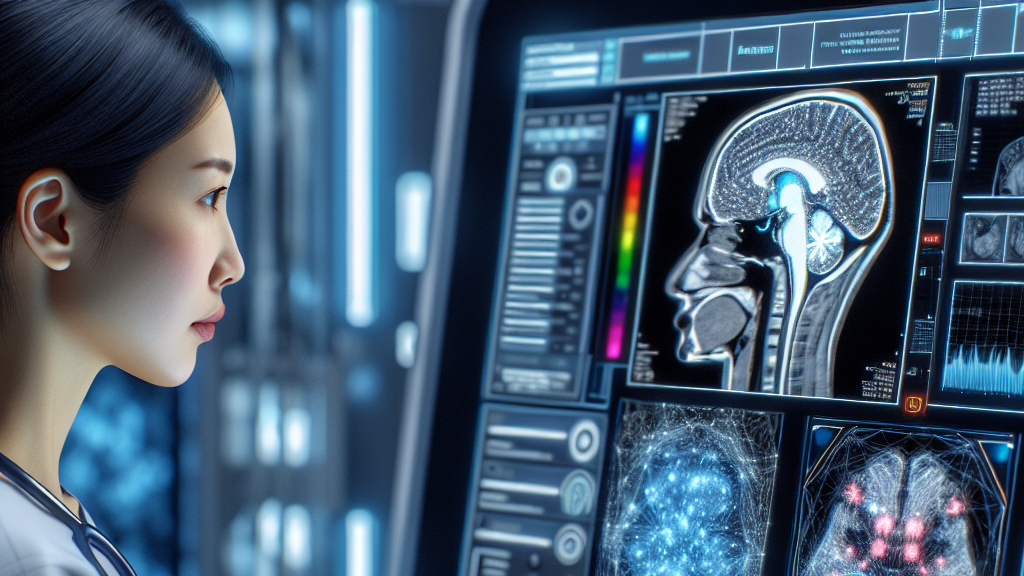
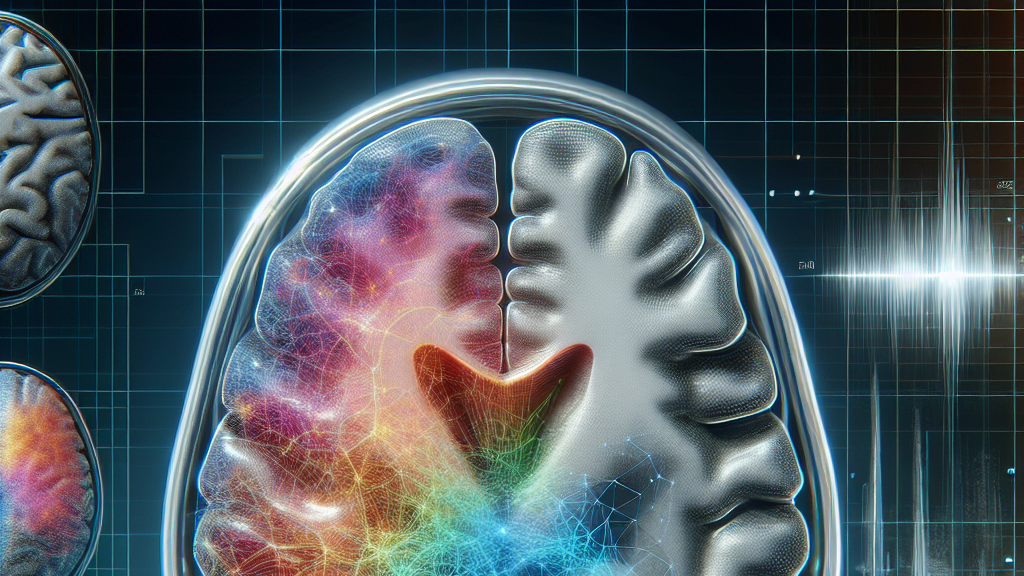
Delving into the details, the study used advanced MRI scans of 51 patients to examine differences in their brain connectivity networks. By applying a unique mathematical model, researchers could identify specific connectivity changes in brain regions that are crucial for predicting how well a patient will recover from surgery. This method, which boasts impressive accuracy, uses hyperbolic geometry to dig deeper than ever before into the brain’s wiring.
In practical terms, this breakthrough means that doctors could potentially tailor epilepsy surgery to each individual, drastically improving outcomes. It’s like being able to adjust the directions on your GPS based on real-time traffic data, ensuring you reach your destination safely and quickly. In the future, we might see these techniques become a standard part of pre-surgery planning, offering hope to patients and their families worldwide.
Did you know that temporal lobe epilepsy surgery can sometimes fail due to incomplete understanding of brain connectivity? Now, cutting-edge is helping change that!
FAQs
What is the connection between brain networks and epilepsy surgery outcomes?
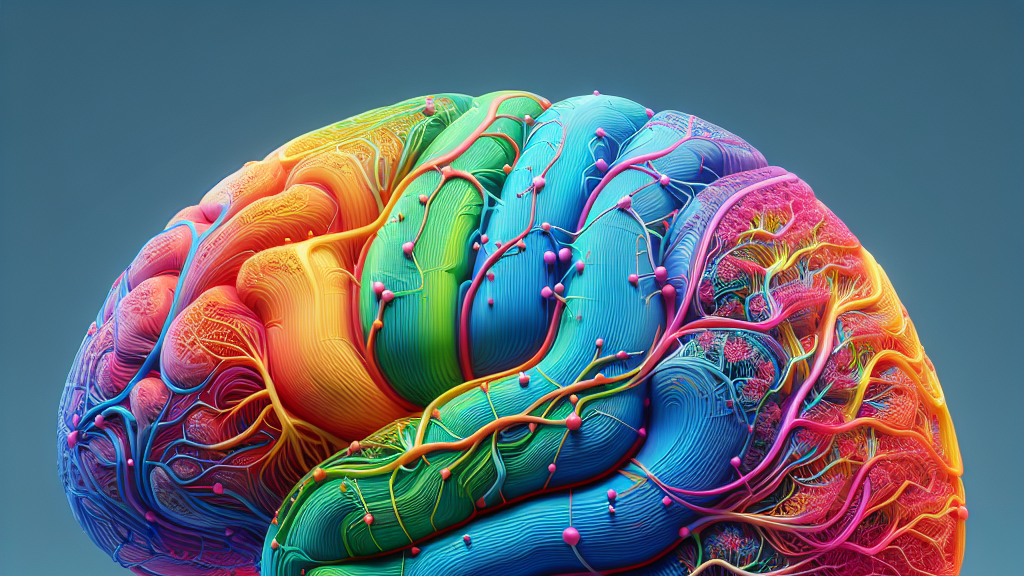
Brain networks help doctors understand how different parts of the brain communicate. By analyzing these connections, researchers can predict whether epilepsy surgery will be successful, improving personalized treatment plans.
How does this research improve surgical outcomes for temporal lobe epilepsy?
This study uses advanced MRI data and a unique mathematical model to identify brain regions critical for predicting surgical success. This leads to more accurate, personalized surgery options for patients.
What makes this prediction model for epilepsy surgery outcomes unique?
The prediction model uses hyperbolic geometry to reveal brain connectivity changes, successfully distinguishing between favorable and poor surgical outcomes, providing unprecedented insights into individual patient needs.
Can this research change current epilepsy surgery practices?
Yes, by integrating this predictive model, medical professionals might refine their surgical approaches, potentially increasing success rates and improving the quality of life for patients with epilepsy.
What role does MRI technology play in predicting epilepsy surgery outcomes?
MRI technology provides detailed images of brain networks, allowing researchers to analyze connectivity patterns. This aids in developing accurate predictive models for surgical success in epilepsy treatment.
Background
Temporal Lobe Epilepsy (TLE) often doesn’t respond to medication, making surgery a vital option. The surgery’s success hinges on precise understanding of brain connectivity – how different brain regions communicate. This research uses MRI technology to map these connections in a detailed manner using non-Euclidean (hyperbolic) geometry, aiding in predicting post-surgery outcomes.
History
Historically, efforts to predict epilepsy surgery outcomes relied on basic imaging and subjective assessments. Recent advancements in neuroimaging and network science have paved the way for more precise models. This study builds on prior work by using sophisticated mathematical models to analyze brain networks in depth.
Based on “Hyperbolic embedding of brain networks can predict the surgery outcome in temporal lobe epilepsy” by Martin Guillemaud, Alice Longhena, Louis Cousyn, Valerio Frazzini, Bertrand Mathon, Vincent Navarro, Mario Chavez, available on arXiv (arxiv.org/abs/2412.17820), used under CC BY 4.0 (creativecommons.org/licenses/by/4.0/).