Connect with us

Search by keyword

Computers

Could Your Netflix Picks Get Smarter?

Imagine if your favorite streaming service used an independent algorithm to recommend shows or movies, rather than relying on its own system. This research explores how separating algorithms from platforms could change the way recommendations are made, affecting consumers, providers, and platforms alike.

Could Your Netflix Picks Get Smarter
✨Researched by humans. Explained by robots. Learn more.

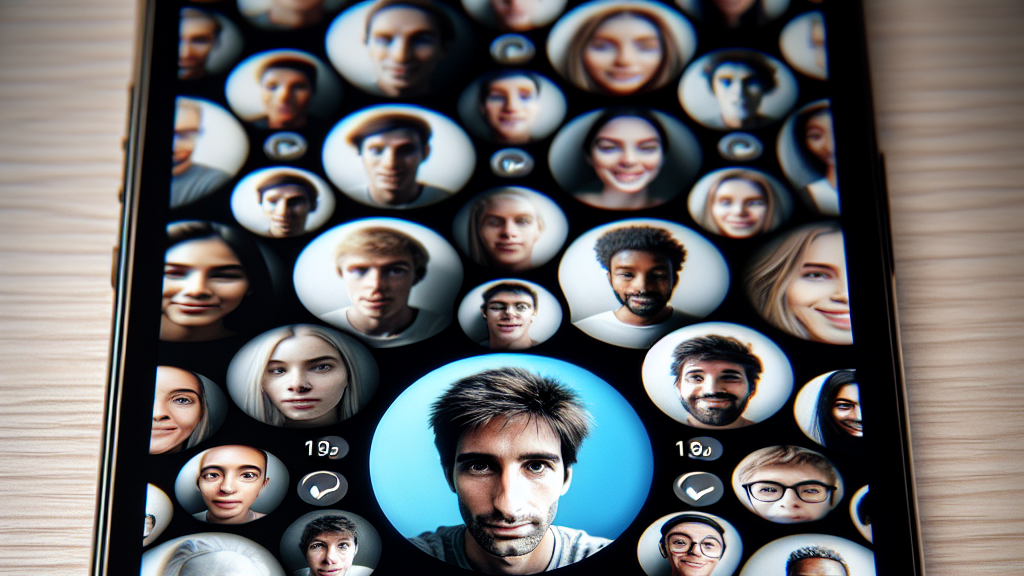
Ever wondered how much better your Netflix or Spotify recommendations could be? There’s a new idea buzzing around that could make your favorite streaming and shopping services even smarter. Researchers are exploring a way to separate the algorithms that make recommendations from the platforms themselves, like Netflix or Spotify. They call this the ‘friendly neighborhood algorithm store’ model, where algorithms exist independently and can be selected based on what serves the platform the best. Think of it as a menu of options for platforms to choose the best algorithm for their unique audience. This could mean more accurate or personalized recommendations for you!

This model is still in the research phase, but it holds exciting possibilities for how we receive content. By decoupling algorithms from platforms, there could be a more balanced distribution of benefits among consumers, content providers, and the platforms themselves. What does that really mean? Well, consumers might get more relevant suggestions, content providers might see their items recommended more efficiently, and platforms could offer a more personalized user experience without being tied down to a single recommendation system.

In real life, this could look like opening a streaming service and having it choose the best recommendation algorithm based on what’s hot in the world of music or movies at that very moment. The platform itself could remain consistent, but the way it chooses what to show you changes dynamically. Such a system could adapt quickly to trends, seasons, and even your changing tastes, creating a win-win for both you and the companies providing content.

Did you know that more than 35% of what consumers watch on Netflix is driven by algorithmic recommendations?

FAQs

What is the concept of a ‘friendly neighborhood algorithm store’ in recommendation ecosystems?

The ‘friendly neighborhood algorithm store’ refers to a model where algorithms are independent from the platforms they serve, allowing platforms to choose the best-suited algorithms for recommendations, leading to potentially better content suggestions for users.

How could this research impact the way we receive recommendations on streaming platforms?

By separating algorithms from the platforms, streaming services could choose different algorithms that might provide more accurate or interesting content recommendations, tailored to individual tastes or current trends.

What are the potential benefits of decoupling recommendation algorithms from platforms?

This approach could lead to a more flexible ecosystem where recommendations are more effective and personalized for users, while benefiting content providers and platforms through improved engagement and satisfaction.

Background

Recommendation ecosystems involve complex systems where algorithms suggest content or products to consumers. These algorithms typically exist within the platforms themselves, like a streaming service or an online store. By exploring models where algorithms are separated from these platforms, researchers aim to enhance how these ecosystems work, improving the distribution of benefits among users, providers, and platforms.

History

Historically, recommendation systems have been deeply integrated into the platforms that use them, like Netflix or Amazon. Early studies focused on refining algorithms for better personalization. Over time, studies showed the significant role these systems play in influencing consumer decisions. This research builds on that by proposing a separation, allowing platforms to dynamically choose the best algorithm for their needs, potentially revolutionizing the personalization process.

Based on “Decoupled Recommender Systems: Exploring Alternative Recommender Ecosystem Designs” by Anas Buhayh, Elizabeth McKinnie, Robin Burke, available on arXiv (arxiv.org/abs/2503.03606), used under CC BY 4.0 (creativecommons.org/licenses/by/4.0/).


Trending

Latest

Can AI Save Water Discover How

Computers

AI is transforming the tech world, but it uses lots of water! A new tool, SCARF, helps us measure and reduce AI's water footprint,...

Whats a Forbush Decrease and Why Should We Care Whats a Forbush Decrease and Why Should We Care

Space

Scientists just observed the biggest solar storm event in years, revealing unexpected cosmic ray patterns. Understanding these changes could help us protect our technology...

Can Cars Spot Danger Faster Than Humans Can Cars Spot Danger Faster Than Humans

Computers

Think about how quickly you react when something unexpected happens on the road. This research brings us closer to creating self-driving cars that can...

Can Fear of the Other Stop Social Harmony Can Fear of the Other Stop Social Harmony

Physics

Fear of the unknown might make it harder for people to agree and get along. This study shows that when people have strong xenophobic...

Can AI Revolutionize Breast Cancer Diagnosis Can AI Revolutionize Breast Cancer Diagnosis

Electricity

This research introduces a groundbreaking AI model that can accurately assess HER2-positive breast cancer using widely accessible staining methods, potentially revolutionizing how we diagnose...

Can AI Transform Your Singing into a Choir Can AI Transform Your Singing into a Choir

Computers

Imagine singing solo and having AI turn you into a choir. This research unveils a groundbreaking AI tool that transforms your voice into rich...

You May Also Like

Quantum Biology

Understanding the mysterious world of viral genes can revolutionize biotechnology and ecosystems by revealing new ways viruses shape the world around us.

Computers

Discover how studying the arrangement of pages and queues in graph layouts might lead to more efficient data organization and processing tricks that could...

Computers

This research explores how noise impacts the efficiency of machine learning algorithms, revealing that algorithms may learn faster or get stuck depending on the...

Computers

Discover the Blindfolded Spiderman Optimization, a new approach that redefines how we solve problems using a playful yet powerful method, outperforming many existing techniques...

Computers

Ever wished your computer could 'unlearn' personal data as easily as you could forget a bad haircut? This research challenges how effective machine unlearning...

Computers

This research explores a new type of logic that could supercharge algorithms by allowing them to make smarter choices through a concept called witnessed...

Computers

Discover how TikTok's video recommendations might be creating echo chambers and explore new research that offers strategies to diversify your experience and break free...

Physics

Discover how TikTok cleverly tailors your feed to your tastes, creating a personalized experience like no other, but at the cost of content diversity.

Economics

A study on an Indian TikTok-like app reveals that replacing algorithmic content ranking with random delivery significantly reduces exposure to harmful content. This research...

Copyright © 2024 8ig8rain.

Disclaimer: The content on 8ig8rain.com consists of AI-generated summaries of scientific abstracts from arXiv. Please note that most arXiv abstracts are preprints and may not have undergone formal peer review. While these summaries aim to convey key ideas and potential applications, they are provided for informational purposes only and should not be interpreted as validated scientific findings or professional advice. The summaries are intended to educate, spark curiosity, and inspire further exploration of science.