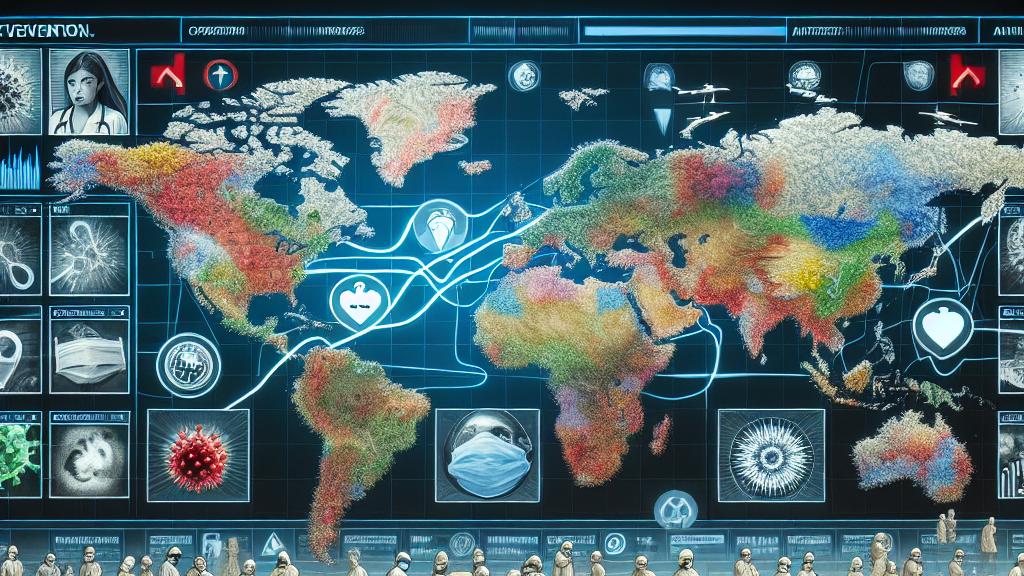
Imagine if we could stop diseases like flu or even something worse before they spread everywhere. That’s exactly what smart disease detection systems aim to do. By catching outbreaks early, these systems can trigger rapid responses that help keep us all safe and healthy. But it’s not just about finding the disease; it’s also about how quickly public health officials and the public react to that information. This approach changes everything, offering a fighting chance to contain and manage diseases effectively.
Research is diving deep into how the feedback loop between detecting diseases and informing people can change the game when it comes to keeping an outbreak at bay. By understanding this dynamic, we can design better strategies that involve swift communication and public health measures. When people receive timely information about health risks, they tend to adopt behaviors that could slow down or even stop the spread, like wearing masks or avoiding crowded places. Meanwhile, authorities can plan and take targeted actions just in time, which can significantly minimize the damage caused by an outbreak.
Think about it this way: if we can get everyone on the same page quickly, we can beat the disease. Imagine using real-time data to inform people immediately of a health threat and having systems ready to respond at the drop of a hat. This doesn’t just mean fewer sick people; it means a healthier society and less strain on our healthcare systems. This research signals a future where we’re not just reacting to diseases but staying ahead of them, keeping ourselves and our loved ones safe and sound.
Did you know that detecting diseases early and spreading the word fast can lead to fewer sick people and smaller outbreaks, much like stopping a domino effect before it starts?
FAQs
How does disease detection impact epidemic control?
Quick disease detection triggers emergency responses and information dissemination, leading to timely public health interventions that can significantly reduce the spread of an epidemic.
Why is the feedback between disease detection and behavioral responses important?
It’s crucial because the speed and accuracy of disease detection influence how people and authorities respond. This can determine whether an outbreak is quickly contained or spreads widely.
What role does risk information play in managing epidemics?
Risk information guides public behavior and helps people make informed choices, such as wearing masks or avoiding gatherings, which can slow down disease transmission and ease the burden on healthcare systems.
Why is it important for diseases to be detected early?
Early detection allows for quicker responses, preventing the disease from spreading to more people and helping to control the epidemic with fewer resources.
How can this research change future public health strategies?
By understanding the dynamics between disease detection and human behavior, public health strategies can become more proactive, focusing on early intervention and effective communication to keep communities safe.
Background
Epidemics are complex systems involving multiple factors, including how diseases spread and how people react to health risks. Disease detection systems are vital because they help identify outbreaks early, allowing for swift interventions. These systems work hand in hand with public and government responses, which can significantly impact the spread and management of diseases. It’s all about the timing and effectiveness of the response to the information provided.
History
Historically, dealing with outbreaks relied heavily on visible symptoms and slow information dissemination. With advancements in technology and data analytics, modern epidemiology has shifted towards real-time surveillance, allowing quicker responses. Past pandemics have shown the value of rapid response and information sharing, leading researchers to focus on integrating behavioral insights with disease detection.
Based on “The nexus between disease surveillance, adaptive human behavior and epidemic containment” by Baltazar Espinoza, Roger Sanchez, Jimmy Calvo-Monge, Fabio Sanchez, available on arXiv (arxiv.org/abs/2503.04527), used under CC BY 4.0 (creativecommons.org/licenses/by/4.0/).