Imagine a future where we can guide how our bodies heal, just by using electricity. This isn’t science fiction; it’s the next big leap in regenerative medicine. Researchers are exploring how bioelectric signals, which are natural voltage changes across our cell membranes, can be manipulated to control how our cells grow and repair tissues. This fascinating idea could lead to treatments for everything from broken bones to complex organ damage.
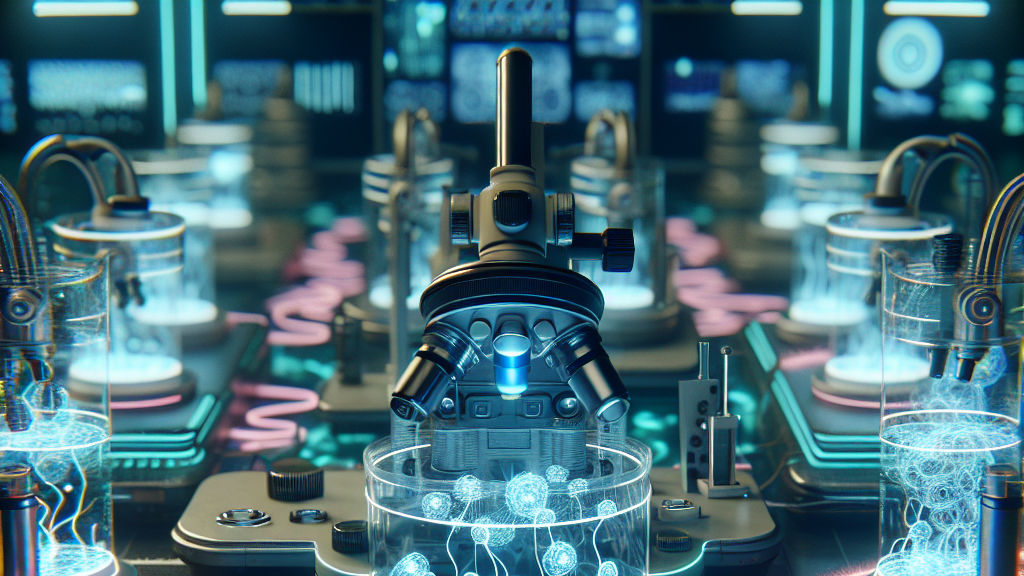
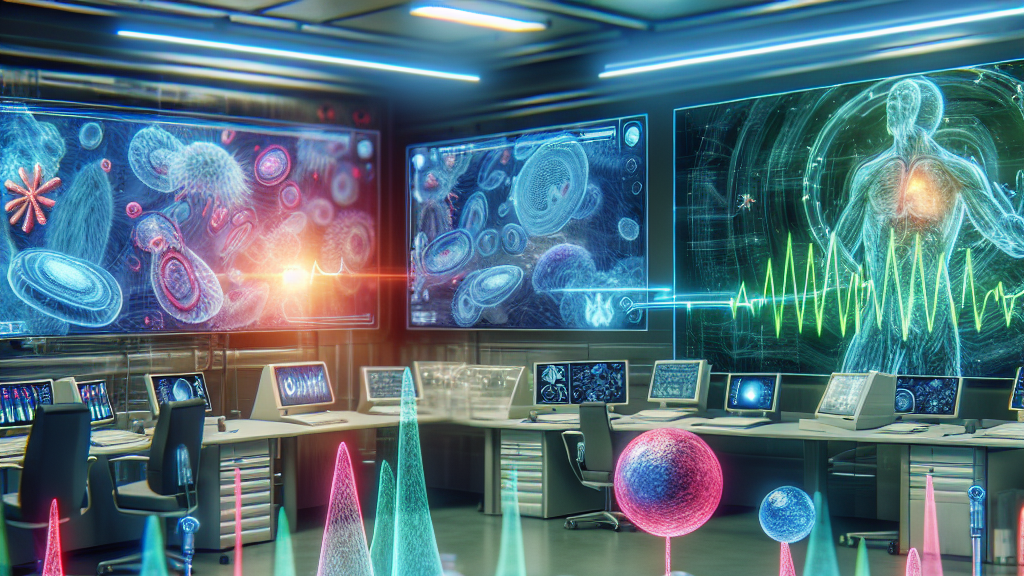
At the heart of this research is using advanced technology to change these electric signals precisely. Scientists propose combining deep reinforcement learning, a kind of smart computer program, with lab automation to constantly adjust these signals based on real-time feedback from biological systems. By using tools like optogenetics and specialized dyes that light up with electrical activity, they can watch and guide tissue regeneration as it happens.
Imagine having a minor accident and instead of a long recovery with painful surgeries, doctors could flick a switch to send precisely guided electricity through the damaged area, speeding up healing and regrowing tissues. This research is paving the way for such futuristic healthcare solutions, potentially making treatments for severe injuries faster and less invasive, and opening new frontiers in medicine.
Frogs and planaria can regenerate entire limbs or bodies through bioelectric signaling—a power humans are inching towards utilizing!
FAQs
What are bioelectric signals and why are they important?
Bioelectric signals are natural voltage changes across cell membranes resulting from ionic movements. They play crucial roles in processes like cell growth and tissue formation, and manipulating them could lead to advances in regenerative medicine and healing methods.
How could this research change future medical treatments?
By harnessing bioelectric signals, we could potentially direct tissue regeneration, making treatments for injuries and diseases faster and less invasive. This could lead to breakthroughs in healing methods and organ restoration.
What technologies are being used to control bioelectric signals?
Technologies like deep reinforcement learning, optogenetics, and advanced microscopy are being explored to precisely control and measure bioelectric signals, offering new insights into how these signals can be manipulated for therapeutic purposes.
How do these techniques work on a basic level?
Researchers use tools that can monitor and adjust electric signals in real-time, allowing them to guide how cells grow and regenerate tissues. By applying these techniques, scientists aim to unlock new healing methods and improve regenerative medicine.
Background
Bioelectric signals are essentially electrical patterns occurring across our cell membranes. They are created by ions moving in and out of cells and are fundamental in controlling how cells develop, grow, and organize. Understanding these signals is critical as they influence how tissues and organs form—a key area for regenerative medicine.
History
The study of bioelectricity goes back to the 18th century, with Luigi Galvani discovering that frog legs twitched when exposed to electrical currents. Since then, the field has evolved to explore how electrical signals in living organisms control biological processes such as growth and healing. Recent advances in technology, like optogenetics and deep learning methods, have rejuvenated interest in bioelectricity for medical applications.
Based on “AI-driven control of bioelectric signalling for real-time topological reorganization of cells” by Gonçalo Hora de Carvalho, available on arXiv (arxiv.org/abs/2503.13489), used under CC BY 4.0 (creativecommons.org/licenses/by/4.0/).