Connect with us

Search by keyword

Computers

Did COVID-19 Widen Our Digital Skills Gap?

The pandemic’s rapid digital shift widened the tech skills gap, leaving older and less-educated users behind, while boosting younger, educated individuals’ abilities.

Did COVID 19 Widen Our Digital Skills Gap
✨Researched by humans. Explained by robots. Learn more.

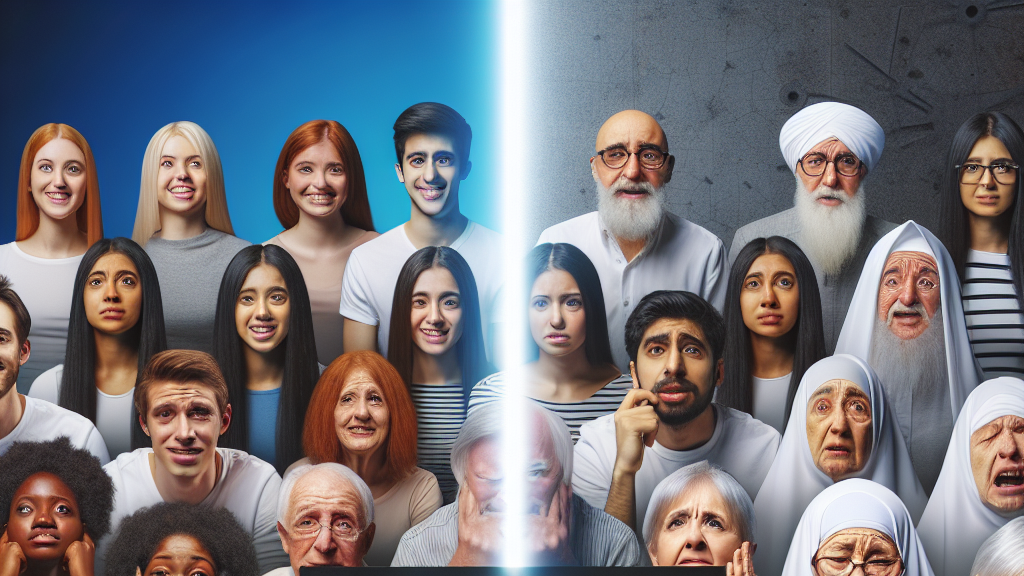
Have you ever felt left behind in our tech-savvy world? You’re not alone. A study reveals that the whirlwind shift to digital during COVID-19 left some of us struggling to keep up while others zoomed ahead. This change in scenery didn’t just alter how we work and socialize—it deepened a digital divide based on age, gender, and education.

Our research surveyed over a thousand people in Germany and uncovered a stark reality: younger men with higher education were more likely to boost their online skills, leaving older and less-educated individuals behind. These digital changes helped people communicate better using video calls and think more critically about what they read online. While this transformation feels empowering, it also comes with a sting—those improved skills mean feeling more informed but also experiencing heightened loneliness.

Imagine reaching out to your grandma on Zoom only to find her struggling to join the call. This scenario highlights how vital digital skills have become and why addressing these gaps is crucial. As technology evolves, ensuring everyone has the opportunity to thrive in a digital world is more important than ever. Teaching digital literacy could empower all ages, making the digital world accessible for everyone.

During the COVID-19 pandemic, the use of video conferencing tools skyrocketed, making them a household name but also highlighting the stark differences in digital skills.

FAQs

How did COVID-19 affect digital skills development across different demographics?

COVID-19 accelerated digital skills development mainly for younger, male, and more educated individuals, while others struggled to catch up.

Why are digital skills important in today’s world?

Digital skills enable effective communication, critical evaluation of online information, and access to broader opportunities, making them essential in our increasingly tech-driven world.

What is the second-level digital divide?

The second-level digital divide refers to differences in digital skills and capabilities among internet users, beyond just access to technology.

How can we close the digital skills gap?

Focusing on digital literacy education across all ages and demographics can help ensure everyone benefits from the digital transformation.

What are the negative effects of improved digital skills?

While they offer benefits, improved digital skills can also heighten feelings of loneliness, as individuals rely more on digital interactions.

Background

Digital transformation refers to the integration of digital technology into all areas of life, fundamentally changing how we work, communicate, and live. The COVID-19 pandemic created a rapid shift to digital platforms for work, education, and socializing, leading to increased reliance on digital skills. The digital divide is the gap between individuals who have access to modern information and communication technology and those who do not, which also includes differences in digital literacy and skills.

History

The concept of the digital divide first emphasized unequal access to technology, but over time, it evolved to include disparities in digital skills and literacy, known as the second-level digital divide. Previous research highlighted how education, age, and other factors contribute to these gaps. The COVID-19 pandemic accelerated digital reliance, prompting new studies to assess its impact on digital skills.

Based on “A Pandemic for the Good of Digital Literacy? An Empirical Investigation of Newly Improved Digital Skills during COVID-19 Lockdowns” by German Neubaum, Irene-Angelica Chounta, Eva Gredel, David Wiesche, available on arXiv (arxiv.org/abs/2504.13852), used under CC BY 4.0 (creativecommons.org/licenses/by/4.0/).


Trending

Latest

Can AI Save Water Discover How

Computers

AI is transforming the tech world, but it uses lots of water! A new tool, SCARF, helps us measure and reduce AI's water footprint,...

Whats a Forbush Decrease and Why Should We Care Whats a Forbush Decrease and Why Should We Care

Space

Scientists just observed the biggest solar storm event in years, revealing unexpected cosmic ray patterns. Understanding these changes could help us protect our technology...

Can Cars Spot Danger Faster Than Humans Can Cars Spot Danger Faster Than Humans

Computers

Think about how quickly you react when something unexpected happens on the road. This research brings us closer to creating self-driving cars that can...

Can Fear of the Other Stop Social Harmony Can Fear of the Other Stop Social Harmony

Physics

Fear of the unknown might make it harder for people to agree and get along. This study shows that when people have strong xenophobic...

Can AI Revolutionize Breast Cancer Diagnosis Can AI Revolutionize Breast Cancer Diagnosis

Electricity

This research introduces a groundbreaking AI model that can accurately assess HER2-positive breast cancer using widely accessible staining methods, potentially revolutionizing how we diagnose...

Can AI Transform Your Singing into a Choir Can AI Transform Your Singing into a Choir

Computers

Imagine singing solo and having AI turn you into a choir. This research unveils a groundbreaking AI tool that transforms your voice into rich...

You May Also Like

Computers

Digital transformation in urban planning could revolutionize how cities function, from easing traffic to enhancing public services, especially as challenges like outdated practices and...

Economics

COVID-19 has left a surprising mark on baby birthweights, which have dropped during the pandemic and even more afterward. Investigating why this change matters...

Economics

AI models are great at understanding English health info, but they struggle with other languages. This matters because AI is increasingly used in health...

Physics

This research uncovers how the structure of our communities can influence the spread of diseases like COVID-19. By understanding these dynamics, we can better...

Computers

This research dives into the spread of false information about COVID-19 online, explaining how fear, politics, and profit fuel these misleading narratives. By understanding...

Computers

Working from home is now the norm, but it might be messing with your privacy, and we're just beginning to understand how. If you're...

Computers

Discover how a treasure trove of e-commerce data revealed early awareness of COVID-19 and exposed significant social inequalities in a pandemic setting. This research...

Quantitative Finance

This study dives into how the COVID-19 crash shook up the US stock and commodity markets, using cutting-edge data analysis to reveal wild swings...

Computers

This study shows how tensions and rude behaviors linked to COVID-19 discussions spilled over into climate change conversations, making them more hostile. It highlights...

Copyright © 2024 8ig8rain.

Disclaimer: The content on 8ig8rain.com consists of AI-generated summaries of scientific abstracts from arXiv. Please note that most arXiv abstracts are preprints and may not have undergone formal peer review. While these summaries aim to convey key ideas and potential applications, they are provided for informational purposes only and should not be interpreted as validated scientific findings or professional advice. The summaries are intended to educate, spark curiosity, and inspire further exploration of science.