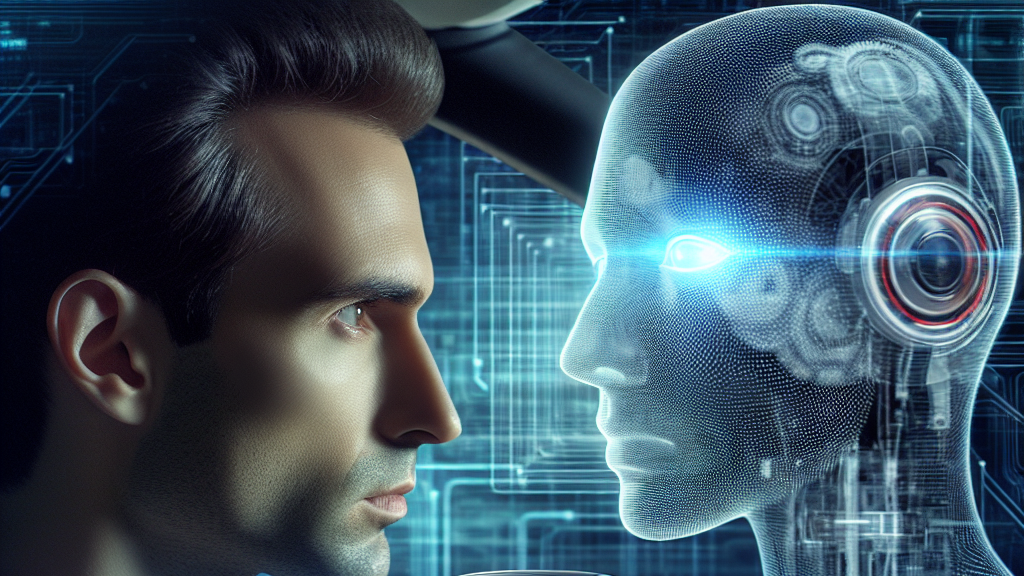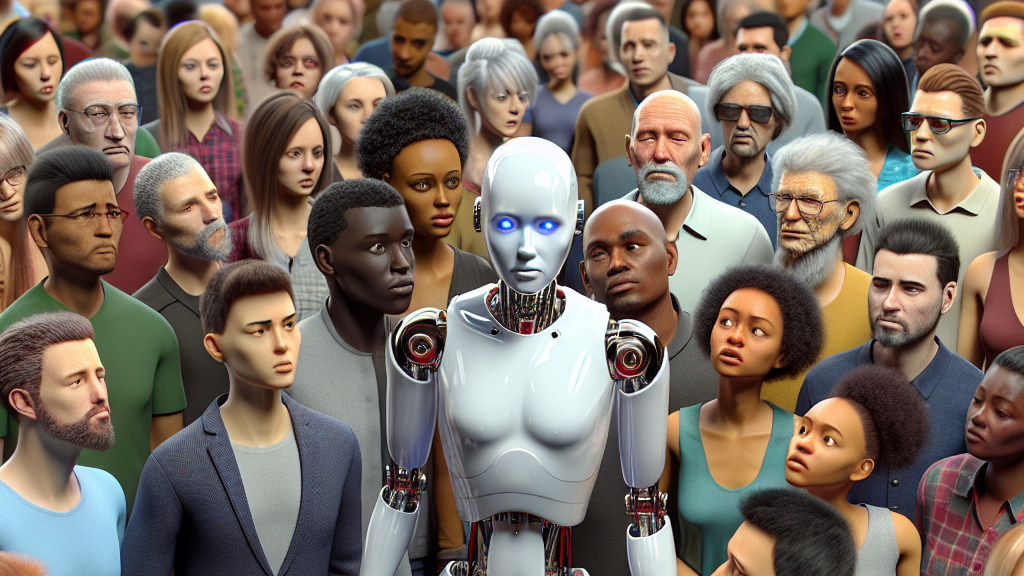
Have you ever looked at a robot and felt something was off, like it was almost human, but not quite? This sensation, known as the Uncanny Valley Effect, often makes us uneasy. It’s a fascinating phenomenon that could be affecting how much we trust these artificial companions in our daily lives. Understanding this could revolutionize how we perceive and engage with the digital agents increasingly woven into the fabric of our lives.
Scientists have been trying to crack the code of our mistrust towards these almost-human machines. The research dives into the eerie vibes these robots give off and how this influences our willingness to trust them. By analyzing 53 different studies, researchers have found that our reactions usually come from looking at pictures or imagining scenarios rather than real-life interactions. But the truth is, these initial feelings can shape our relationship with tech now and in the future.
Imagine a world where robots not only help us but also seamlessly blend into our lives without making us feel uncomfortable. Improving trust in our tech could be a game-changer for everything from customer service to personal digital assistants. By demystifying the Uncanny Valley Effect, we can design better, more trustworthy robots that enhance our lives without giving us the creeps.
The term ‘Uncanny Valley’ was first coined by a Japanese roboticist in the 1970s, describing how almost-human robots can evoke strong feelings of eeriness or discomfort.
FAQs
What is the Uncanny Valley Effect, and how does it relate to trust in robots?
The Uncanny Valley Effect refers to the unsettling feeling people get when they see a robot or digital agent that resembles a human but isn’t quite right. This phenomenon can influence how much we trust these machines, as they can come off as eerie or repelling rather than engaging.
How do researchers study the Uncanny Valley Effect and trust?
Researchers have studied this effect by examining 53 studies that explore how human-like features in robots can affect trust. They have found that most studies rely on static images or imagined scenarios to gauge reactions, which can influence the degree of trust people place in machines.
What makes this research on the Uncanny Valley Effect and trust significant for everyday life?
This research is essential because it helps us understand how our comfort and trust in digital agents influence our interactions and reliance on technology. By gaining insights into these feelings, we can design robots that people are more willing to accept and trust in their daily lives.
Why do robots that look almost human make people uncomfortable?
Robots that look nearly human trigger the Uncanny Valley Effect, where our brains sense something is off because the robot looks human but doesn’t behave in a completely human-like way. This mismatch can make us feel uneasy or creeped out.
How might addressing the Uncanny Valley Effect impact future technology?
Addressing this effect could lead to better human-robot interactions and increased trust, allowing robots to integrate more seamlessly into various roles like service, healthcare, or personal assistance, thereby improving our quality of life.
Background
The concept of the Uncanny Valley Effect stems from the idea that as robots or digital agents become more human-like, they begin to elicit feelings of unease rather than comfort or affinity. This is because while they might look human, they lack the nuances of genuine human behavior, creating a dissonance in our perception. Understanding this effect is crucial for developing technologies that people find more trustworthy and less eerie.
History
The idea of the Uncanny Valley originated in the 1970s when a Japanese roboticist observed that robots that looked almost human, but weren’t quite there, tended to unsettle people. Since then, the concept has evolved as technology has become more advanced, sparking numerous studies on how these human-like robots affect our trust and interaction with them. This research review builds on previous works by systematically exploring how trust and the Uncanny Valley Effect intersect.
Based on “Would You Rely on an Eerie Agent? A Systematic Review of the Impact of the Uncanny Valley Effect on Trust in Human-Agent Interaction” by Ahdiyeh Alipour, Tilo Hartmann, Maryam Alimardani, available on arXiv (arxiv.org/abs/2505.05543), used under CC BY 4.0 (creativecommons.org/licenses/by/4.0/).