Imagine how amazing it would be if a simple act of kindness you did without anyone knowing could help a whole team achieve something bigger. In the world of artificial intelligence, researchers are exploring how hidden good deeds among agents can lead to better teamwork and problem-solving. This isn’t just about machines—it’s about understanding how we can learn from these hidden actions to improve cooperation in our own lives too.
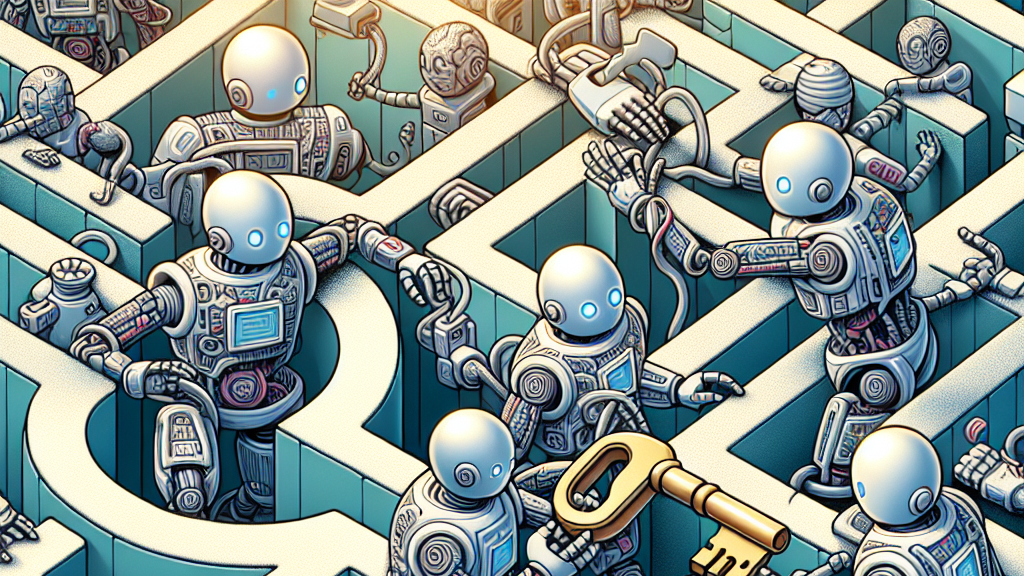
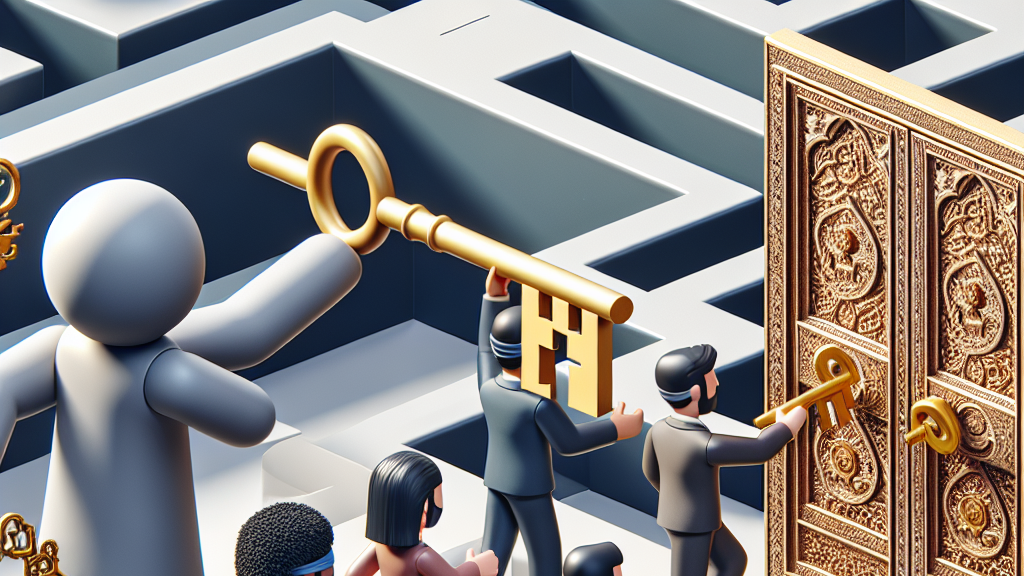
The researchers created a virtual environment where multiple AI agents need to unlock doors to earn rewards. The twist? There’s only one key to go around, and each agent must leave it behind for the next one without knowing if others will do the same. This ‘hidden gift’ is a crucial part of the challenge. Interestingly, traditional learning methods struggle to handle these secretive dynamics. By introducing a new way for agents to learn from their own experiences, the team discovered that these ‘independent agents’ could work together more effectively toward a collective goal.
This research sheds light on how subtle, unspoken cooperation can be critical, not just in artificial environments but in real-world scenarios too. Think of city traffic flow—if drivers anticipate each other’s moves and make considerate choices, everyone might reach their destinations faster. As we develop better ways for AI agents to handle such hidden actions, we might also learn how to foster more seamless and fruitful collaboration in our daily lives.
Did you know? In certain cooperative tasks, an AI agent’s ‘act of kindness’ can be as simple as dropping a virtual key for someone else to use, unlocking better outcomes for the whole team!
FAQs
What does ‘hidden gifts’ mean in multi-agent reinforcement learning?
In multi-agent reinforcement learning, ‘hidden gifts’ refer to actions taken by one agent that benefit others without them realizing. This concept challenges traditional learning methods because these beneficial actions are not openly visible or communicated, making it difficult to assign credit for success.
How can AI agents benefit from recognizing hidden gifts in teamwork?
AI agents can improve their performance in cooperative tasks by learning to recognize and reciprocate hidden gifts, which leads to better teamwork. This understanding can reduce learning variance and improve the reliability of collective success in multi-agent settings.
Why is recognizing hidden gifts significant in real-world scenarios?
Recognizing hidden gifts is significant because similar dynamics occur in our daily lives, where unseen or unspoken cooperation often leads to better group dynamics and outcomes. By studying these dynamics in AI, we might learn how to enhance collaboration among people too.
What does the research reveal about current reinforcement learning algorithms?
The research reveals that many current reinforcement learning algorithms struggle to handle scenarios involving hidden gifts. However, by adjusting these models to pay more attention to their own past actions, some agents achieved better results, shedding light on potential improvements for both artificial intelligence and human collaboration.
Can this research impact how we collaborate with others?
Absolutely! By understanding how hidden gestures of cooperation can impact outcomes, we can learn to appreciate the small, unseen actions that contribute to collective success. This insight can lead to new strategies for improving teamwork in various settings, from workplaces to community efforts.
Background
In multi-agent reinforcement learning, multiple agents make decisions to maximize a reward. However, crediting the right actions can be tricky, especially when beneficial actions are hidden (i.e., they’re not communicated or observable). This study explores this by having agents share a single key needed to unlock rewards, forcing subtle cooperation.
History
Reinforcement learning has evolved significantly over the years, from single-agent tasks where one agent learns from its own actions to multi-agent systems where multiple learners must work together. This research builds on past efforts to enhance cooperative learning and problem-solving by uncovering how unrecognized actions can benefit entire systems.
Based on “The challenge of hidden gifts in multi-agent reinforcement learning” by Dane Malenfant, Blake A. Richards, available on arXiv (arxiv.org/abs/2505.20579), used under CC BY 4.0 (creativecommons.org/licenses/by/4.0/).