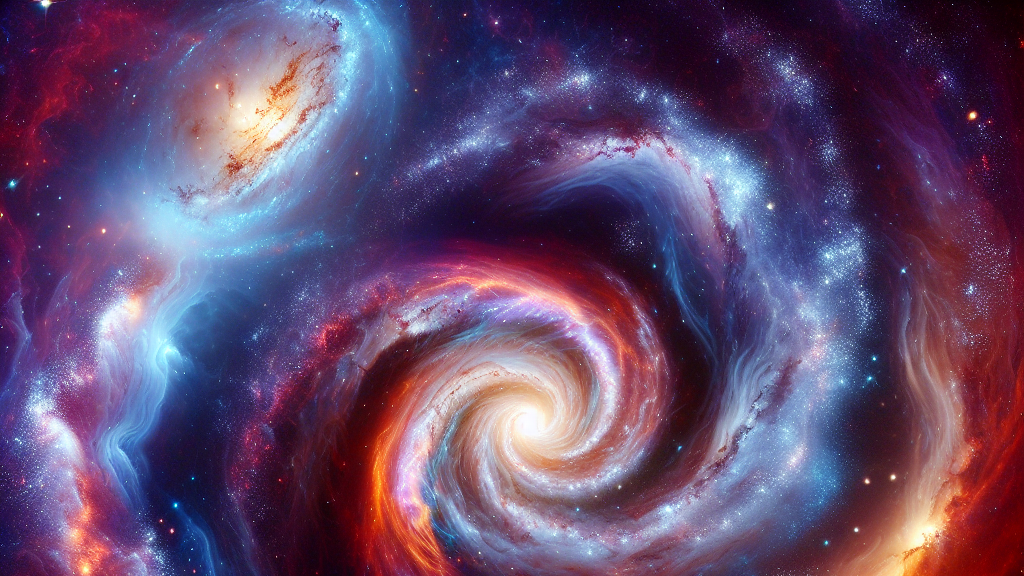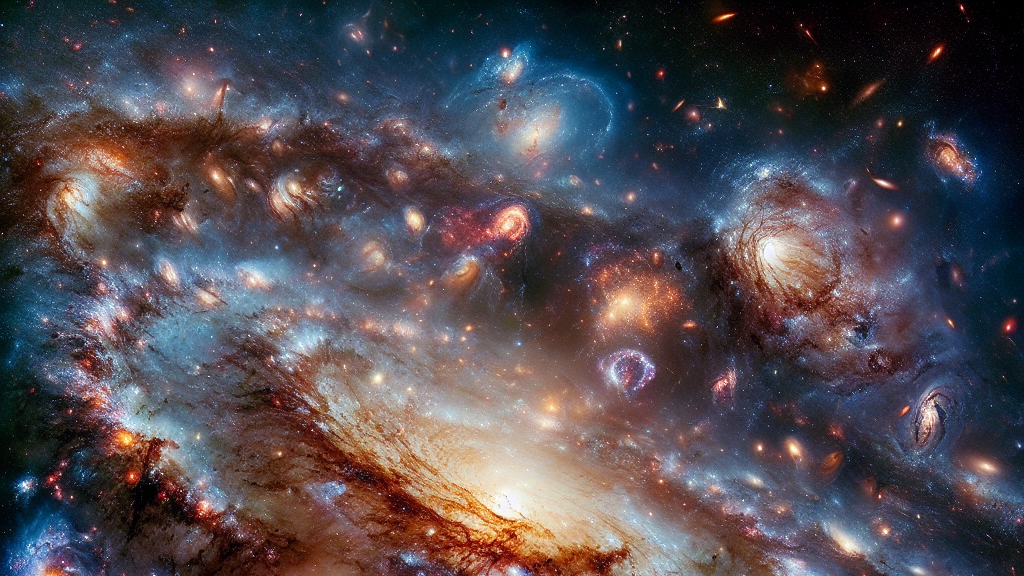
Imagine if some galaxies operated like cosmic pickpockets, stealthily gathering extra stars as they drift through the universe. Researchers have found that certain galaxy groups might be doing just that. These galactic ‘thieves’ are not just flying solo in the vastness of space—they might actually become more crowded as they pass through denser regions known as galaxy clusters.
By using advanced simulations, scientists have identified two types of galaxy groups: those that snag new galaxies during their travels—dubbed ‘thief groups’—and those that don’t. Thief groups are less compact but end up with more galaxies in their mix. On the other hand, ‘non-thief groups’ don’t seem to acquire new members, making them virtually identical to regular field groups.
This remarkable insight could redefine how we perceive galaxy formation and interaction. Imagine if entire groups of galaxies could change their character simply by passing through a cosmic neighborhood! As our understanding deepens, these findings could have implications for everything from galaxy formation theories to the way we map out our universe.
Some galaxy groups might snag new stars as they travel through clusters, earning them the nickname ‘cosmic thieves.’
FAQs
What are galaxy groups in space?
Galaxy groups are collections of galaxies that are bound together by gravity, typically consisting of a few to several dozen galaxies. They are among the most common structures in our universe.
How do thief galaxy groups differ from regular groups?
Thief galaxy groups are unique because they drift through galaxy clusters, picking up additional galaxies along the way, which makes them less compact and more populous compared to regular field groups.
Why is the concept of thief galaxy groups important?
This concept challenges our understanding of how galaxies evolve and interact over time. Recognizing that galaxies can acquire new members changes how we view the dynamics and structure of the universe.
How do scientists study these galaxy groups?
Researchers use sophisticated simulations like the IllustrisTNG300 to model galaxy interactions and capture statistical differences between thief groups and non-thief groups in their properties.
Could this change how we map the universe?
Yes, as we learn more about these interactions, it could influence methods for mapping and understanding cosmic structures, offering new insights into the evolution of galaxies.
Background
Galaxy groups are important cosmic structures consisting of a few to several dozen galaxies held together by gravity. They often interact with larger structures like galaxy clusters, which can alter their composition and structure. Taking advantage of advanced simulations, researchers can study these interactions across vast cosmic timescales, revealing how galaxies evolve as they pass through these clusters.
History
The study of galaxy groups has been pivotal in understanding cosmic dynamics for decades. Traditionally, research focused on how galaxies evolve individually or within fixed groups. Recent advancements in technology and simulations have provided the tools needed to model these complex interactions more precisely. The IllustrisTNG300 simulation offers a new lens through which we can observe and quantify how interactions with clusters influence galaxy groups.
Based on “Stealing galaxies from galaxy clusters” by Majda Smole, Miroslav Micic, Ana Mitrašinović, available on arXiv (arxiv.org/abs/2505.21629), used under CC BY 4.0 (creativecommons.org/licenses/by/4.0/).