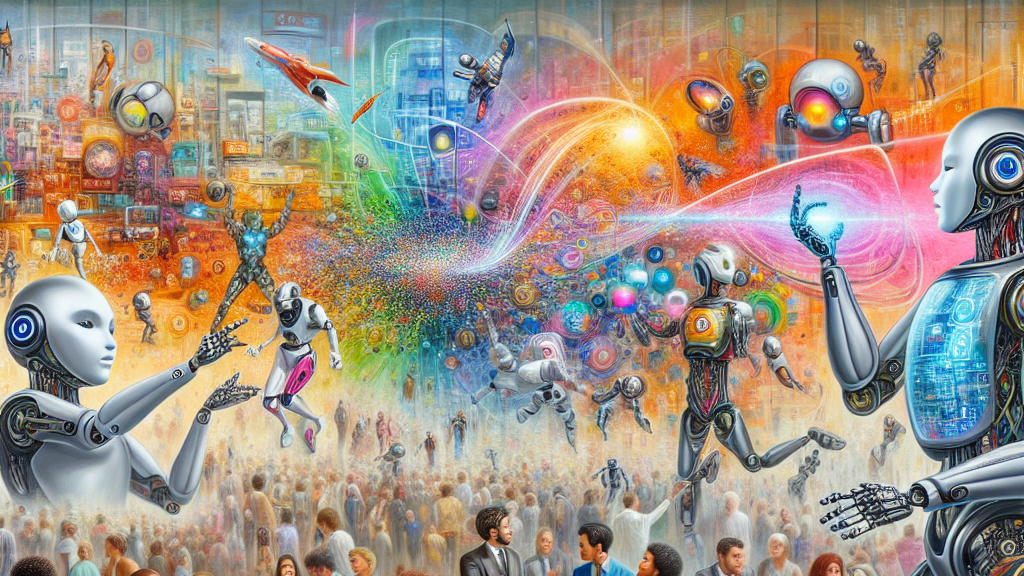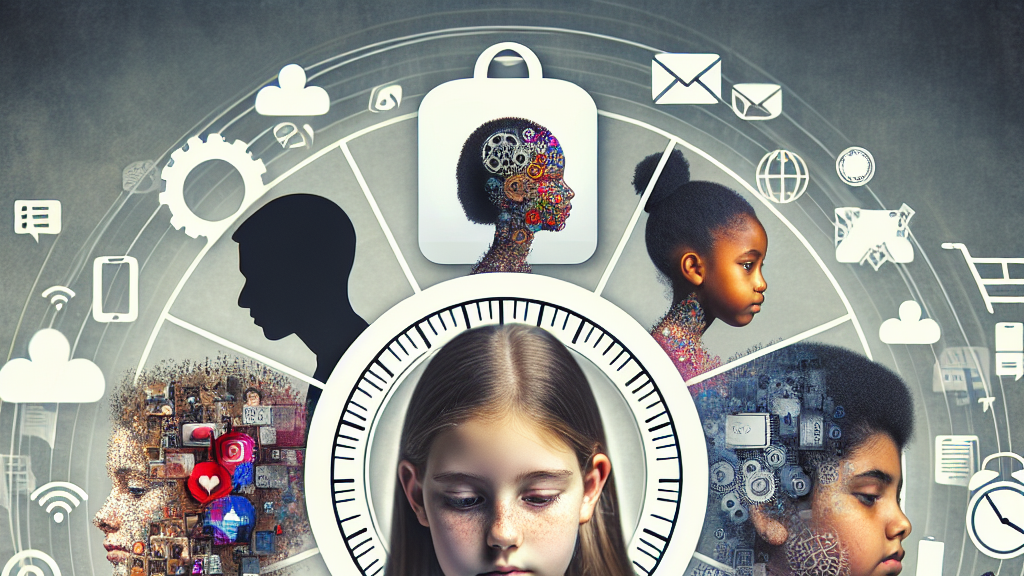
Imagine scrolling through social media and every image, post, or comment subtly influences how you perceive your body and eating habits. That’s what researchers are discovering—our digital lives are shaping eating disorders like bulimia nervosa, which now extend beyond just psychological factors to include digital and sociocultural influences.
Over the past 20 years, experts have used mathematical models to understand eating disorders better. However, these models often couldn’t keep up with the rapid changes in how we interact online. Social contagion—the idea that eating disorders spread like trends—and the influence of rapidly evolving digital media have become crucial. Researchers now suggest using advanced models that consider social feedback loops and online behavior patterns to grasp this better.
Why does this matter to you? If we can create models that accurately represent the influence of social media on eating disorders, we can develop smarter public health campaigns. Imagine a future where your news feeds are strategically crafted to encourage positive body image and eating habits, helping prevent disorders before they start.
Did you know that eating disorders can spread through social networks like viral trends? This phenomenon is known as social contagion.
FAQs
How does social media influence eating disorders like bulimia nervosa?
Social media can shape perceptions of body image and beauty standards, often leading to unhealthy comparisons and eating habits. The notion of social contagion suggests these ideas can spread rapidly through online communities, influencing individuals to adopt harmful behaviors.
What is social contagion, and how does it relate to eating disorders?
Social contagion is the spread of behaviors, attitudes, or emotions through a population, like a trend going viral. In the context of eating disorders, it means that individuals can be influenced by their peers or media content to adopt unhealthy eating behaviors and attitudes.
What kind of models are researchers using to study the connection between social media and eating disorders?
Researchers are developing advanced mathematical models that incorporate feedback mechanisms, content-driven influence functions, and dynamic network effects. These models aim to provide a clearer understanding of how social media contributes to the spread and reinforcement of eating disorders.
Why is it important to develop better models for understanding eating disorders?
Better models can help identify the root causes and influential factors of eating disorders, allowing for more effective public health interventions. By understanding how these disorders spread and are sustained, we can craft strategic campaigns and tools to promote healthier habits.
How can this research affect public health interventions?
By using data-informed models, public health campaigns can be tailored to counteract the harmful influences of social media. These interventions could potentially prevent the onset of eating disorders and promote a healthier digital environment.
Background
In the study of eating disorders like bulimia nervosa, researchers use mathematical models to explore how these conditions spread and affect individuals. Social contagion is a key concept, referring to how behaviors and attitudes can spread through communities like a trend. In today’s digital age, researchers are especially focused on how social media amplifies these effects, making it a crucial factor in understanding modern eating disorders.
History
Traditionally, eating disorders have been studied through psychological and behavioral lenses. However, with the rise of digital media, the context has transformed, prompting researchers to consider new factors like online behavior. Over the last 20 years, mathematical modeling has been used to simulate these disorders, but older models haven’t fully captured the changing digital landscape. The latest efforts aim to integrate social media dynamics into these models, enriching our understanding and ability to intervene.
Based on “Modeling Bulimia Nervosa in the Digital Age: The Role of Social Media” by Brenda Murillo, Fabio Sanchez, available on arXiv (arxiv.org/abs/2506.03491), used under CC BY 4.0 (creativecommons.org/licenses/by/4.0/).