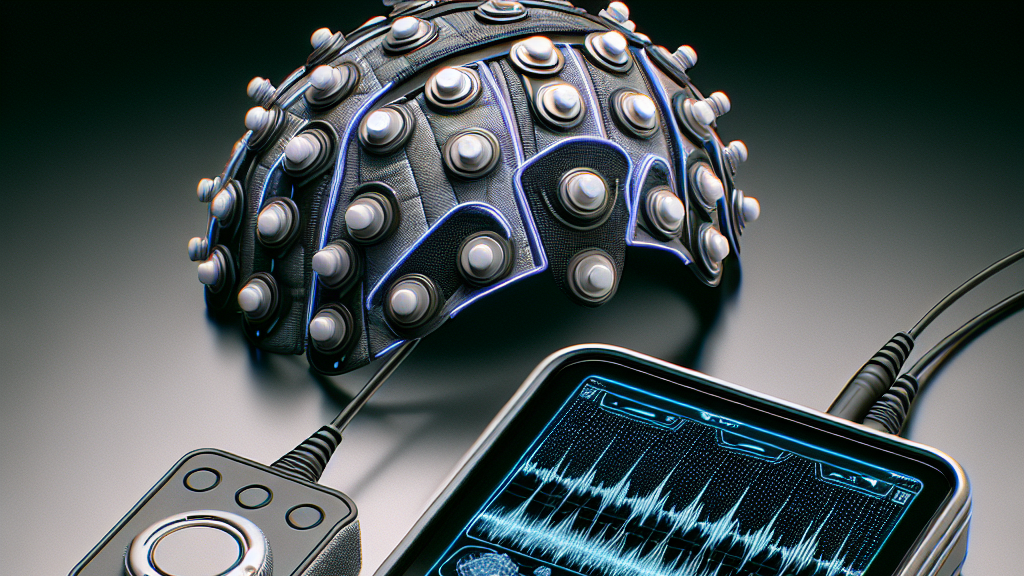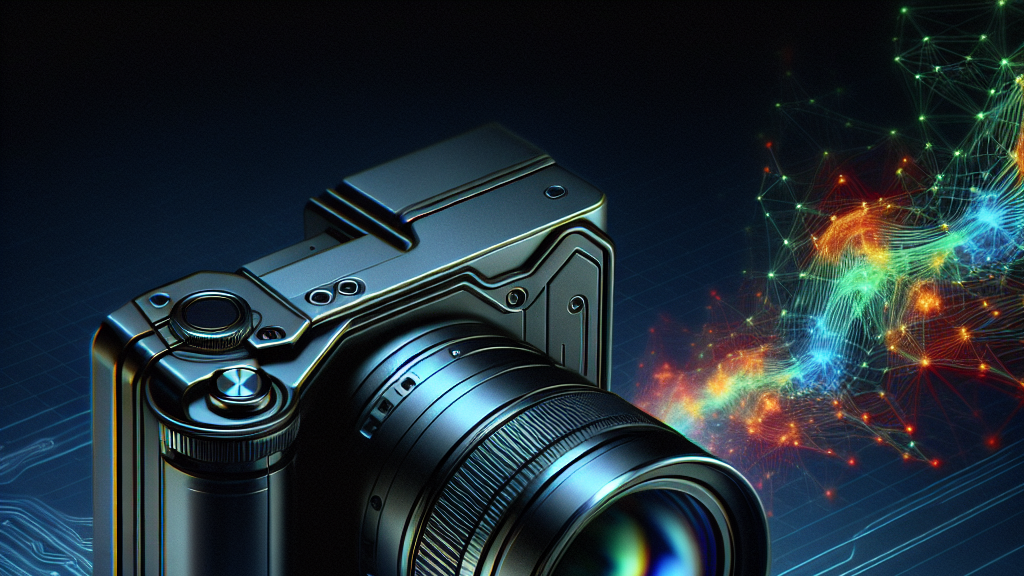
Imagine if we could peek into the brain and detect its chemical changes in real-time. That’s now a possibility thanks to a groundbreaking technological advancement. Your everyday camera might soon be more than just a tool for clicking memories—it could track vital brain chemicals like dopamine and alert us to potential health issues in their earliest stages.
Researchers have developed a special camera setup that includes light-scattering membranes and optical accelerators, making it possible to detect dopamine, a key neurotransmitter, at incredibly low levels. This method is two hundred times more sensitive than current technologies and detects changes as they happen. In simple terms, it’s like upgrading from a basic fitness tracker to a device that understands your body’s deepest signals.
The potential impact of this research is huge. Imagine using a small, portable device to monitor brain health, adjust treatments for neurological or mental illnesses, and even prevent such issues before they start. This could revolutionize how we manage health, making treatments more tailored and effective for everyone.
Cameras could soon detect neurotransmitters like dopamine, which are crucial for brain function, in real-time.
FAQs
How can cameras detect brain chemicals like dopamine in real-time?
New camera technology uses light-scattering membranes and optical accelerators to detect neurotransmitters, like dopamine, at extremely low concentrations in real-time.
Why is detecting dopamine important for health?
Dopamine is essential for brain function, influencing mood, memory, and motor control. Detecting it can help diagnose and treat neurological and mental diseases early.
What makes this dopamine detection technology different from existing methods?
This technology is over two hundred times more sensitive than current methods, providing real-time data with a compact and portable setup, unlike bulky traditional equipment.
How could real-time dopamine detection impact mental health treatment?
Real-time monitoring allows for immediate adjustments to treatment plans, making them more personalized and potentially improving outcomes for mental health conditions.
What other applications might this camera technology have in medicine?
Beyond neuroscience, this technology could detect a range of biological analytes, aiding in early disease detection and personalizing treatments across various medical fields.
Background
In neuroscience, detecting neurotransmitters like dopamine is crucial for understanding brain functions and diagnosing diseases. Traditional methods are complex and not sensitive enough to detect extremely low levels of these chemicals. This research introduces a novel method using advanced camera technology to improve detection sensitivity and provide real-time monitoring.
History
Previously, detecting dopamine required large, complex electrochemical workstations. Recent advances have focused on making this process more sensitive and user-friendly. This study builds on those efforts, leveraging cutting-edge optical technology to surpass previous detection limits and offer a more portable solution.
Based on “Towards real-time additive-free dopamine detection at 10⁻⁸ mM with hardware accelerated platform integrated on camera” by Ning Li, Qizhou Wang, Zhao He, Arturo Burguete-Lopez, Fei Xiang, Andrea Fratalocchi, available on arXiv (arxiv.org/abs/2506.13447), used under CC BY 4.0 (creativecommons.org/licenses/by/4.0/).