Imagine if a game could change the way you shop for groceries and even make you think twice before throwing away leftovers. That’s what the developers of Meltdown, a virtual reality escape room, are hoping to achieve. Aimed at tackling climate change, this game combines fun with education, helping players see the impact of their daily choices on the environment.
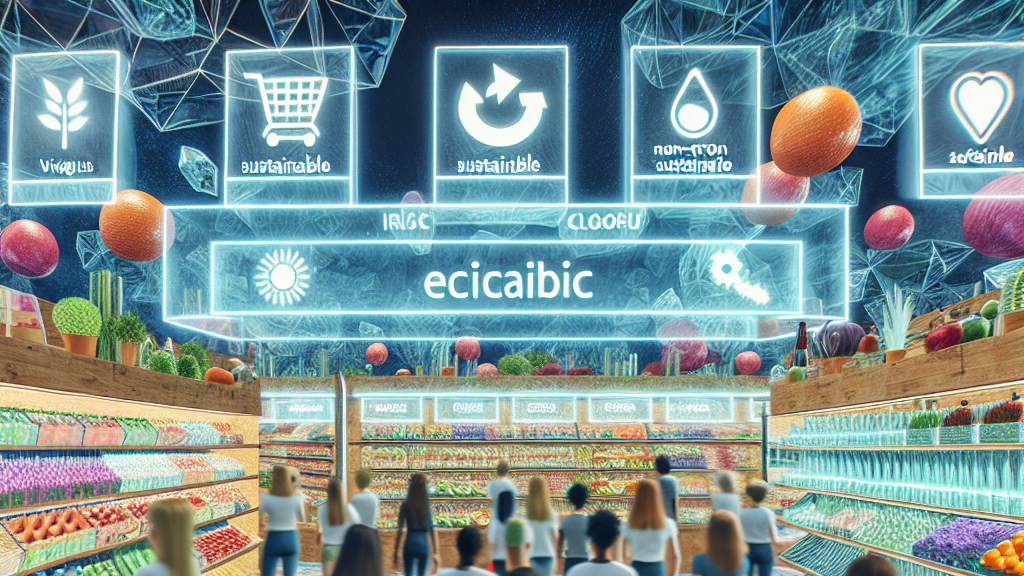
In Meltdown, players navigate a virtual grocery store where they learn to pick eco-friendly products and understand the dos and don’ts of food waste management. It’s like a gaming adventure with a purpose, using interactive storytelling to encourage players to adopt greener habits. By placing players in lifelike scenarios, the game makes abstract concepts, like sustainable consumption, feel personal and urgent.
The potential real-world impact of Meltdown is huge. After just one play session, students expressed greater confidence and intent to make more sustainable choices in real life. Imagine applying this engaging approach to schools and workplaces everywhere, transforming how we understand climate change and motivating us to be more eco-conscious in our everyday lives.
Did you know? One-third of all food produced globally is wasted before it even reaches our plates!
FAQs
How does the Meltdown VR game educate players about climate change?
The Meltdown VR game immerses players in a grocery shopping and food waste management experience. As players make choices in the game, they receive narrative feedback on the environmental impacts of their decisions, enhancing their understanding of sustainable practices.
What results have been observed from players of the Meltdown game?
Players of the Meltdown game have shown statistically significant improvements in their knowledge of sustainable practices, increased confidence in making eco-friendly choices, and a higher intention to adopt these behaviors in real life.
Why use virtual reality for climate education?
Virtual reality offers an immersive experience that makes learning feel immediate and personal. It helps bridge the gap between abstract concepts and real-world actions, making it an effective tool for changing attitudes and behaviors towards sustainability.
Background
Climate change is a complex issue, and its education often struggles because the consequences of our actions aren’t immediately visible. Virtual reality, by creating an immersive and interactive environment, can help users understand these long-term impacts in a more immediate and engaging way. VR can simulate real-world scenarios, allowing users to experience the effects of their decisions as if they were occurring in reality, which can lead to a better understanding and acceptance of sustainable practices.
History
Virtual reality has been used in various fields for education and training, from medical simulations to historical reenactments. The application of VR in climate education is a relatively new development, aiming to engage users in a multimedia experience that traditional teaching methods can’t provide. Past studies have shown that immersive experiences can lead to better retention of information and increased intention to change behavior.
Based on “Meltdown: Bridging the Perception Gap in Sustainable Food Behaviors Through Immersive VR” by Acacia Chong Xiao Xuan, Florentiana Yuwono, Melissa Anastasia Harijanto, Xu Yi, available on arXiv (arxiv.org/abs/2504.14324), used under CC BY 4.0 (creativecommons.org/licenses/by/4.0/).