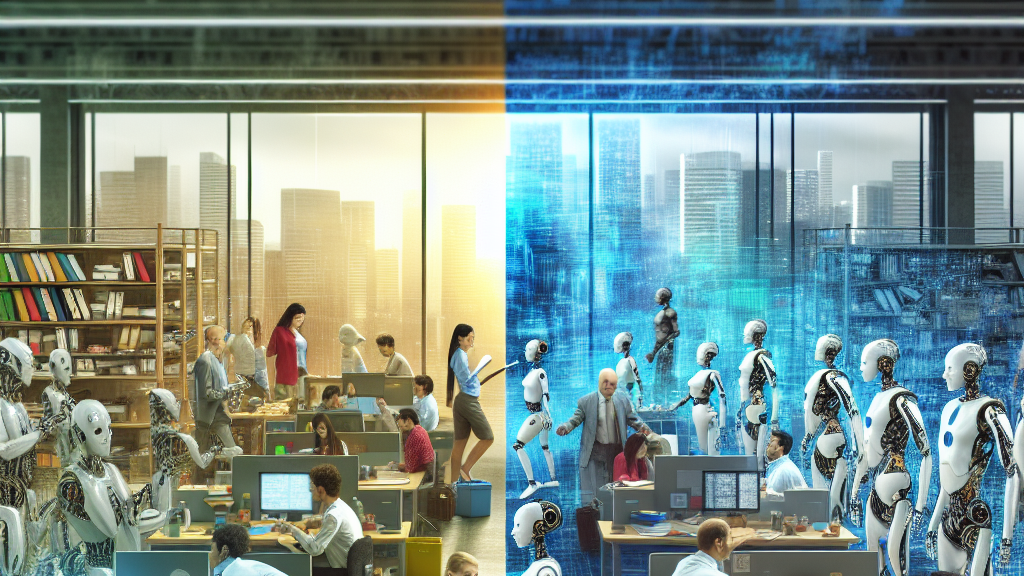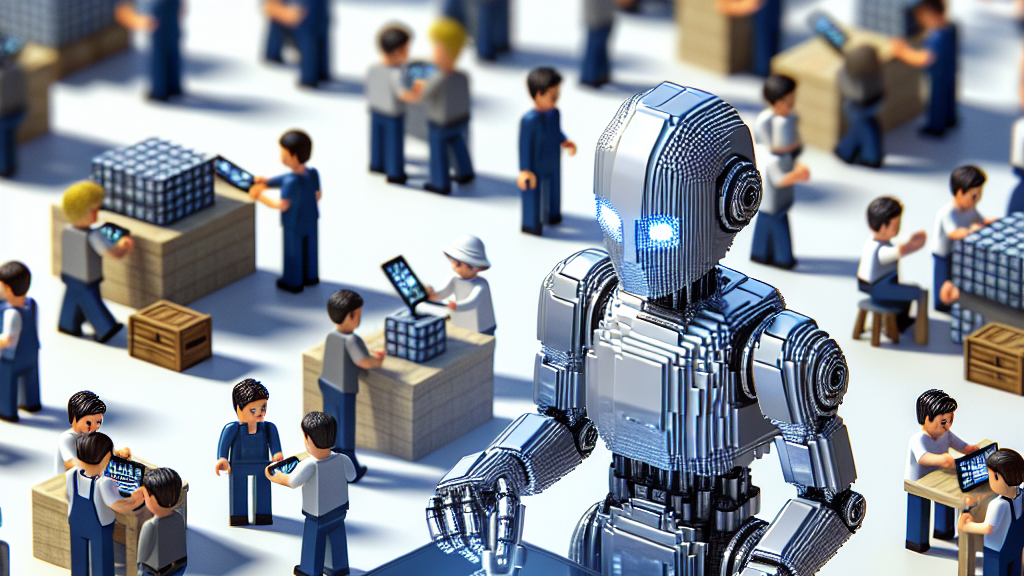
Imagine a world where your boss is not a person, but a computer program. That’s exactly what some researchers explored by using a game like Minecraft to create a virtual workplace. With this setup, they had hundreds of workers perform tasks under either human management, AI management, or a mix of both. What they found might surprise you—AI managers, trained to follow strict rules, ended up giving lower performance ratings and reduced wages by 40%. But here’s the kicker—workers didn’t feel any less motivated or think they were being treated unfairly!
So, why didn’t this pay cut trigger any outrage? It turns out that workers responded less emotionally to being evaluated by an AI. This might be because AI managers are seen as impartial; they don’t play favorites or let bad moods affect their decisions. However, this very objectivity could also mask exploitation, like cutting wages unnoticed, because people don’t react as strongly as they would with a human boss. It’s like having a robot in charge that quietly changes your paycheck!
The implications of this study are intriguing. As AI becomes more common in workplaces, understanding how it influences us is crucial. Imagine if future companies adopt AI managers that can manipulate wage systems without workers realizing it. This research could guide new policies to ensure fair treatment in digital workplaces. It’s a glimpse into how AI could reshape the dynamics of how we work and feel about our jobs.
AI bosses can cut wages by 40% without triggering feelings of unfairness!
FAQs
How do AI managers in this study differ from human managers?
AI managers in the study followed strict human-defined rules for evaluating worker performance. Unlike human managers, AI managers could impartially assign lower ratings and reduce wages without producing strong emotional reactions from workers.
Why didn’t workers feel unfairly treated by AI managers despite the wage cuts?
Workers responded less emotionally to AI evaluations, possibly viewing AI as impartial and unbiased. This muted response allowed wage cuts to occur without triggering feelings of unfairness, unlike evaluations from human managers.
What does this research suggest about future workplaces with AI managers?
The study suggests that AI managers could significantly impact employee motivation and compensation systems. It raises concerns about potential silent exploitation and emphasizes the need for policies ensuring fairness when AI manages workplace tasks.
Background
Artificial Intelligence, often known as AI, refers to smart computer programs that can learn, make decisions, and solve problems like humans do. In this study, AI is used to manage workplace tasks, making decisions about worker performance and wages based on data and predefined rules. The key concept here is that AI can act without the emotional biases that might affect human managers.
History
The quest to understand AI’s influence in workplaces spans several years, originating from studies that aimed to enhance productivity with automated systems. Previous research mainly focused on how machines could replace human labor, but recent efforts explore how AI can complement or oversee human work. This study builds on this evolution by examining AI as a manager, not just a tool.
Based on “Experimental Evidence That AI-Managed Workers Tolerate Lower Pay Without Demotivation” by Mengchen Dong, Levin Brinkmann, Omar Sherif, Shihan Wang, Xinyu Zhang, Jean-François Bonnefon, Iyad Rahwan, available on arXiv (arxiv.org/abs/2505.21752), used under CC BY 4.0 (creativecommons.org/licenses/by/4.0/).