Connect with us

Search by keyword

Computers

Is AI Fair or Just Unfairly Efficient?

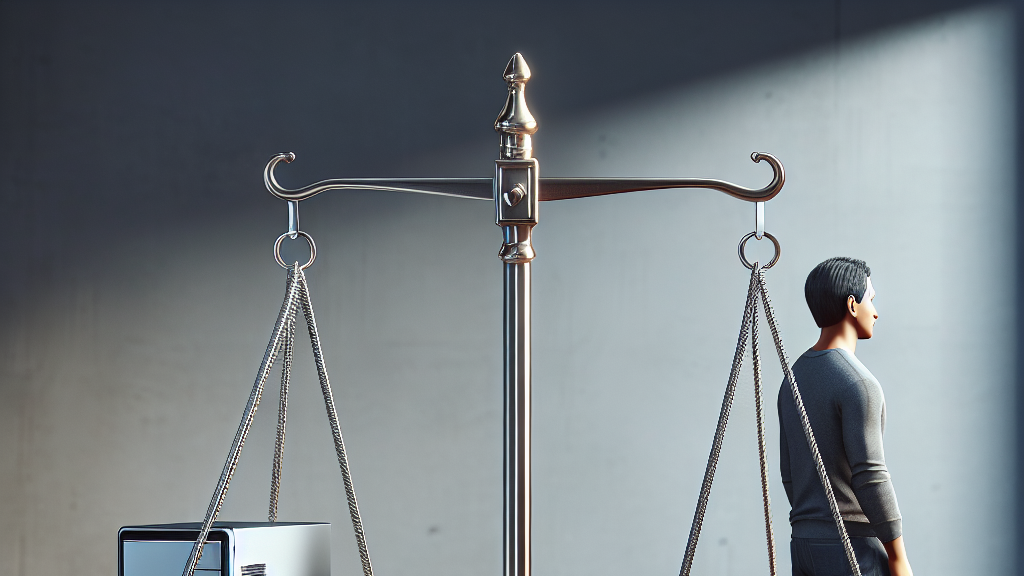
AI management could change how we perform at work, but its impartiality might actually suppress our emotional checks on fairness, leading to silent exploitation.

Is AI Fair or Just Unfairly Efficient
✨Researched by humans. Explained by robots. Learn more.

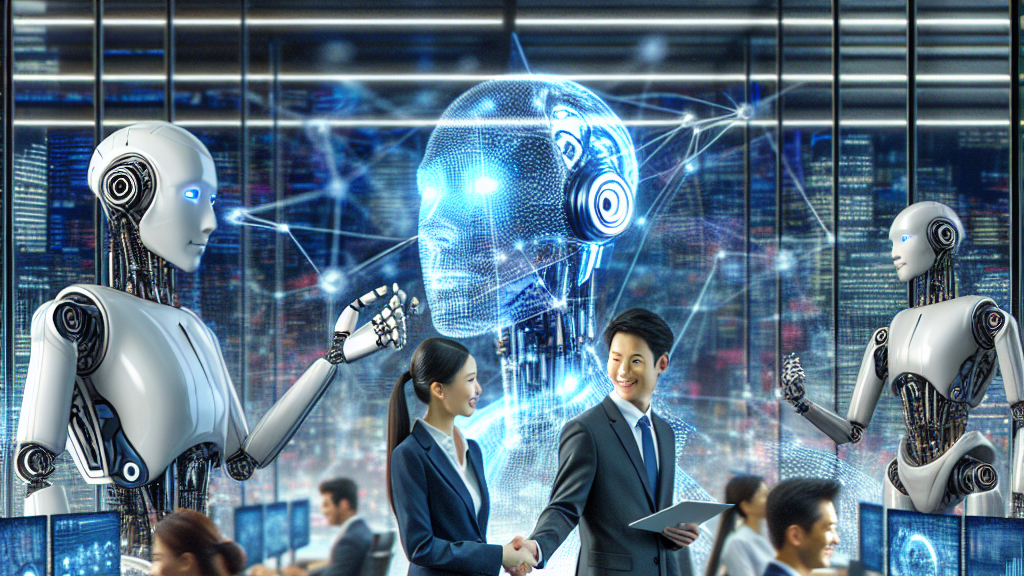
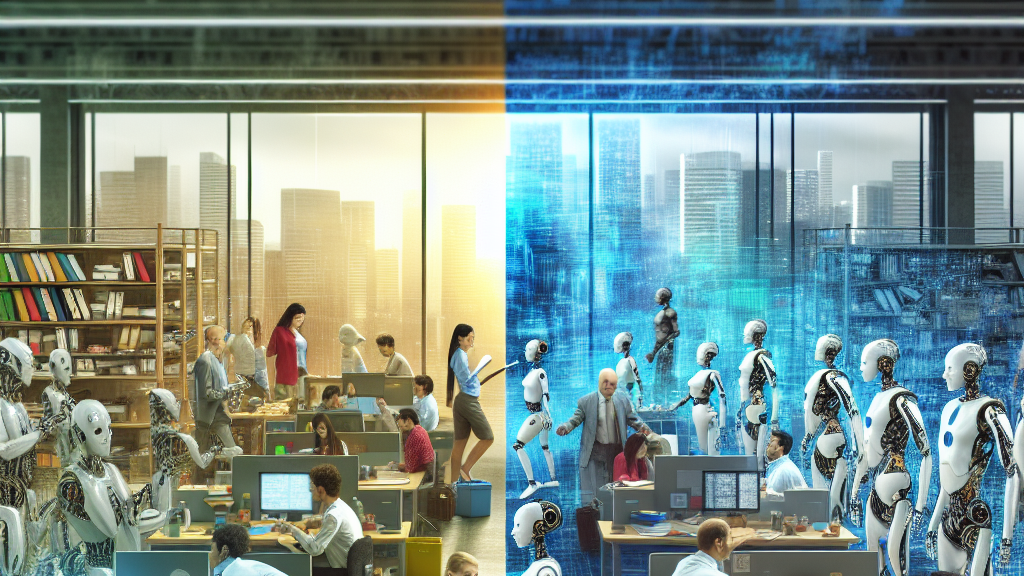
**Imagine a world where your boss is not a person, but a machine, deciding your work rating and pay.** This might sound like a scene out of a futuristic movie, but AI management in workplaces is closer to reality than you might think. Recent research delves into whether AI managers might be fairer, or if their cold efficiency could lead to unexpected and silent exploitation of workers.

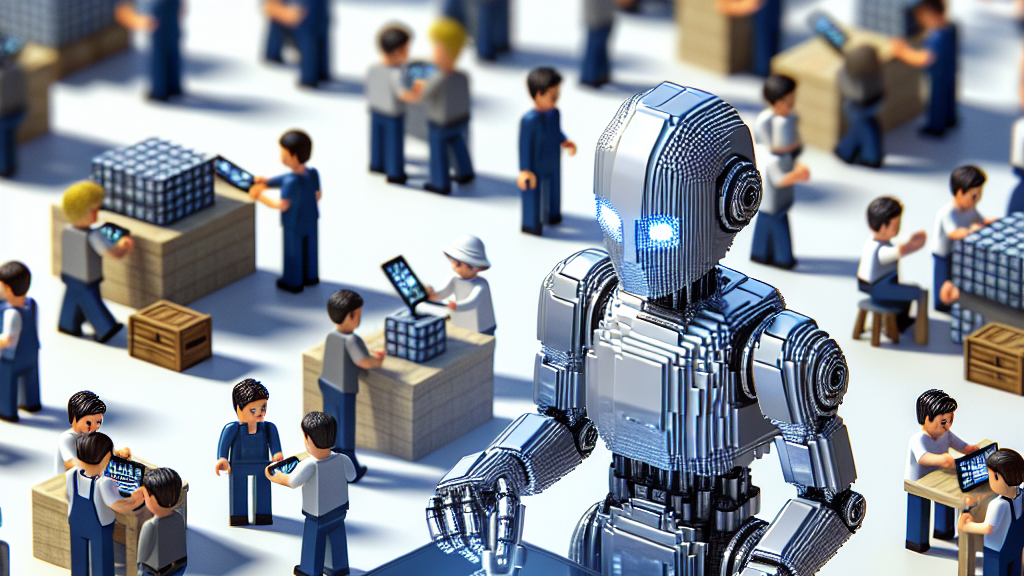
In a unique study, researchers used the game Minecraft to simulate a workplace where 382 participants carried out tasks managed by either humans, AI, or a mix of both. Interestingly, the AI manager, which followed human-crafted rating principles, graded workers more stringently, resulting in a 40% reduction in wages. Despite this, workers didn’t feel any less motivated or perceived the process as unfair compared to when a human manager was in charge. The emotional cues received from human management seemed to be lacking with AI, which could be why workers didn’t react as strongly to lower wages.

So how might this affect us in the future? If AI continues to advance in workplace management, the lack of emotional interaction could mean employees won’t notice or react to unfair practices as quickly as they would with human managers. This could lead to a workplace where the checks on fairness and exploitation are diminished, making it crucial to find a way to keep AI-managed situations in check. As fascinating as AI is, its integration into our work lives needs to balance efficiency with humanity to prevent exploitation and maintain fairness in the workplace, ensuring that technology serves all fairly.

AI managers, by being coldly efficient, can lower wages by up to 40% without workers realizing they’re being unfairly treated!

FAQs

How does AI management affect worker motivation and fairness perception?

AI management, despite reducing wages by 40%, does not negatively affect worker motivation or their perception of fairness because workers seem to respond less emotionally to AI compared to human managers.

What method was used to study worker response to AI management?

The researchers used a simulated workplace in the Minecraft platform, enabling precise behavioral tracking when participants performed tasks under human, AI, or hybrid management conditions.

Why might AI management lead to silent exploitation in workplaces?

The impartial nature of AI could suppress emotional responses that workers typically have with human managers. This lack of emotional reaction may lead workers to overlook unfair practices, facilitating silent exploitation.

Background

Artificial intelligence (AI) in workplace management involves using algorithms and machine learning techniques to automate decision-making tasks such as performance reviews and wage determination. AI systems are often perceived as impartial because they make decisions based on data and predefined rules rather than on emotions or biases, which is both their strength and potential weakness.

History

The integration of AI into workplaces has evolved from simple task automation to more complex decision-making roles. Initially used for repetitive tasks, AI now handles managerial tasks, such as evaluating employee performance. This transformation raises discussions about the balance between efficiency and fairness, touching on ethical implications and the need for regulatory frameworks.

Based on “Experimental Evidence That AI-Managed Workers Tolerate Lower Pay Without Demotivation” by Mengchen Dong, Levin Brinkmann, Omar Sherif, Shihan Wang, Xinyu Zhang, Jean-François Bonnefon, Iyad Rahwan, available on arXiv (arxiv.org/abs/2505.21752), used under CC BY 4.0 (creativecommons.org/licenses/by/4.0/).

Trending

Latest

Can AI Save Water Discover How

Computers

AI is transforming the tech world, but it uses lots of water! A new tool, SCARF, helps us measure and reduce AI's water footprint,...

Whats a Forbush Decrease and Why Should We Care Whats a Forbush Decrease and Why Should We Care

Space

Scientists just observed the biggest solar storm event in years, revealing unexpected cosmic ray patterns. Understanding these changes could help us protect our technology...

Can Cars Spot Danger Faster Than Humans Can Cars Spot Danger Faster Than Humans

Computers

Think about how quickly you react when something unexpected happens on the road. This research brings us closer to creating self-driving cars that can...

Can Fear of the Other Stop Social Harmony Can Fear of the Other Stop Social Harmony

Physics

Fear of the unknown might make it harder for people to agree and get along. This study shows that when people have strong xenophobic...

Can AI Revolutionize Breast Cancer Diagnosis Can AI Revolutionize Breast Cancer Diagnosis

Electricity

This research introduces a groundbreaking AI model that can accurately assess HER2-positive breast cancer using widely accessible staining methods, potentially revolutionizing how we diagnose...

Can AI Transform Your Singing into a Choir Can AI Transform Your Singing into a Choir

Computers

Imagine singing solo and having AI turn you into a choir. This research unveils a groundbreaking AI tool that transforms your voice into rich...

You May Also Like

Economics

Discover how AI models can unknowingly favor certain races in mortgage decisions and how new methods could dramatically reduce these biases, fostering a fairer...

Computers

This research delves into how AI-generated images can reinforce societal biases, urging for more inclusive practices to ensure fair and diverse representation. It examines...

Computers

Artificial intelligence systems favor attractive faces, linking them to traits like intelligence, and struggle more to accurately classify less-attractive, non-White female faces. This raises...

Computers

This research dives into how tech systems often fumble with gender recognition and proposes giving users a say in correcting these errors for better...

Computers

This research delves into how we assign blame for failures, revealing that whether we pin it on effort or external factors like luck can...

Computers

Discover how AI isn't here to take your job, but to make it easier by teaming up with human skills and boosting productivity.

Computers

AI managers might seem fair, but they could be quietly affecting our paychecks! This research shows how AI bosses in a Minecraft-like workplace manage...

Computers

AI bosses in a Minecraft study cut wages by 40% without affecting worker motivation or fairness perception, revealing a silent form of exploitation.

Computers

Imagine a world where machines making decisions could unfairly affect your life. Unpacking algorithm bias helps us understand how technology could discriminate—or empower—so we...

Copyright © 2024 8ig8rain.

Disclaimer: The content on 8ig8rain.com consists of AI-generated summaries of scientific abstracts from arXiv. Please note that most arXiv abstracts are preprints and may not have undergone formal peer review. While these summaries aim to convey key ideas and potential applications, they are provided for informational purposes only and should not be interpreted as validated scientific findings or professional advice. The summaries are intended to educate, spark curiosity, and inspire further exploration of science.