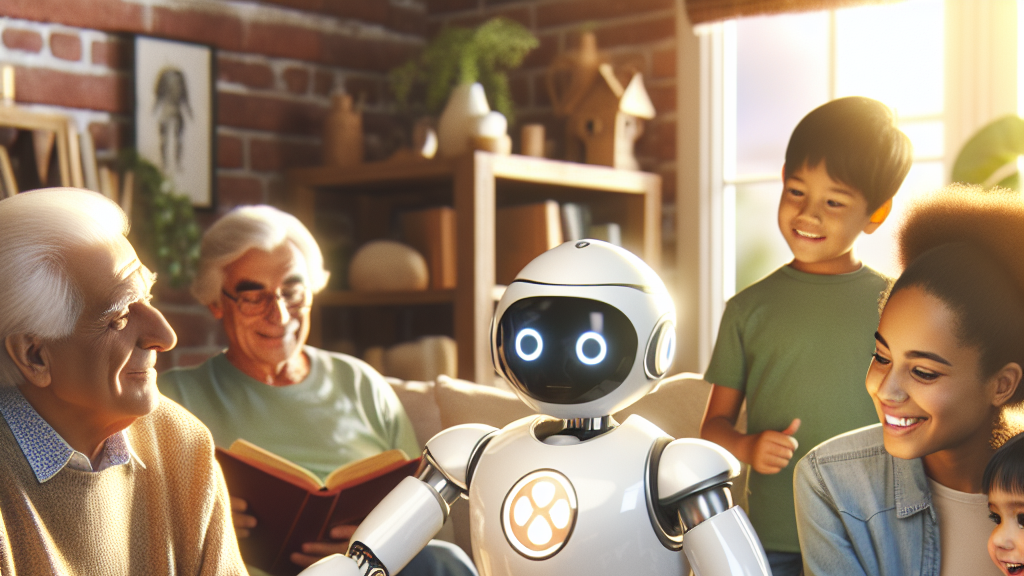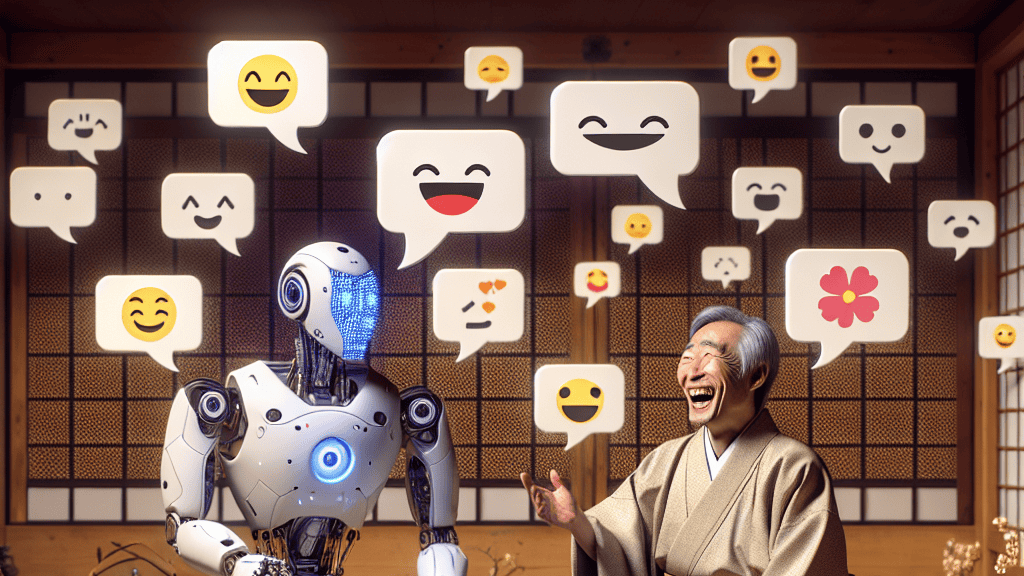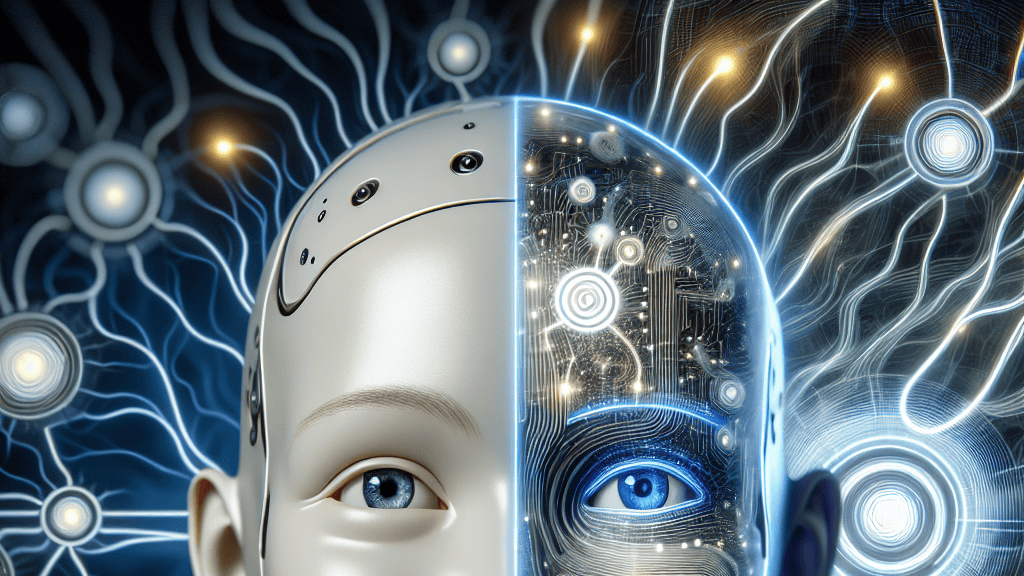
Imagine chatting with a digital being that not only hears your words but also senses your emotions. This is the future of human-computer interaction, where machines can understand and respond to our feelings in real-time. It’s like having a digital friend who truly gets you!
The research explores how conversational agents are evolving from simple text-based interfaces to expressive digital humans. These advanced agents use brain and body signals to pick up on emotions and respond with empathy. In a study, people engaged with a digital human on emotional topics, and the AI mirrored their emotional states in real-time. The results showed a deeper emotional connection and engagement with the empathetic digital human, though challenges like response speed and voice modulation remain.
The potential is enormous. Imagine using this technology in therapy to help people express and resolve emotions, or in customer service to offer caring support. By enhancing machines with empathy, we can create more meaningful interactions, bridging the gap between humans and technology.
The first chatbots could only respond with pre-programmed text, but now digital humans can use signals from your brain and body to truly understand your emotions.
FAQs
What unexpected discovery did scientists make?
Scientists found that digital humans using neural and physiological signals can create more engaging and emotionally resonant interactions.
How do these digital humans sense emotions?
They use brain signals and physiological cues, like heart rate, to detect and respond to your emotional state in real-time.
What are the main challenges facing this technology?
Challenges include improving emotion recognition accuracy, adjusting for personality effects, and making smoother transitions between emotional states.
How might this research impact daily life?
This technology could enhance personal experiences in therapy, customer service, and even entertainment, making interactions feel more human and empathetic.
What’s next for empathetic digital humans?
Researchers aim to refine emotion detection and expression, ensuring that interactions with digital humans feel smooth and naturally responsive.
Background
Conversational agents have come a long way from basic chatbots that could only deliver scripted responses. Today, researchers are working on making these agents more human-like, not just in voice and appearance, but in understanding emotions. The key lies in detecting subtle neural and physiological signals that reveal our emotional states. Understanding these signals allows digital humans to respond with empathy, enhancing user experience.
History
The journey toward empathetic digital humans started with chatbots that used simple text responses. Over time, advances in artificial intelligence allowed for voice interaction, but it was still lacking in emotional depth. Recent studies have focused on incorporating neural and physiological data to make interactions more authentic and emotionally engaging, setting the stage for the latest breakthroughs in understanding and expressing human emotions.
Based on “Empathetic Conversational Agents: Utilizing Neural and Physiological Signals for Enhanced Empathetic Interactions” by Nastaran Saffaryazdi, Tamil Selvan Gunasekaran, Kate Laveys, Elizabeth Broadbent, Mark Billinghurst, available on arXiv (arxiv.org/abs/2501.08393), used under CC BY 4.0 (creativecommons.org/licenses/by/4.0/).