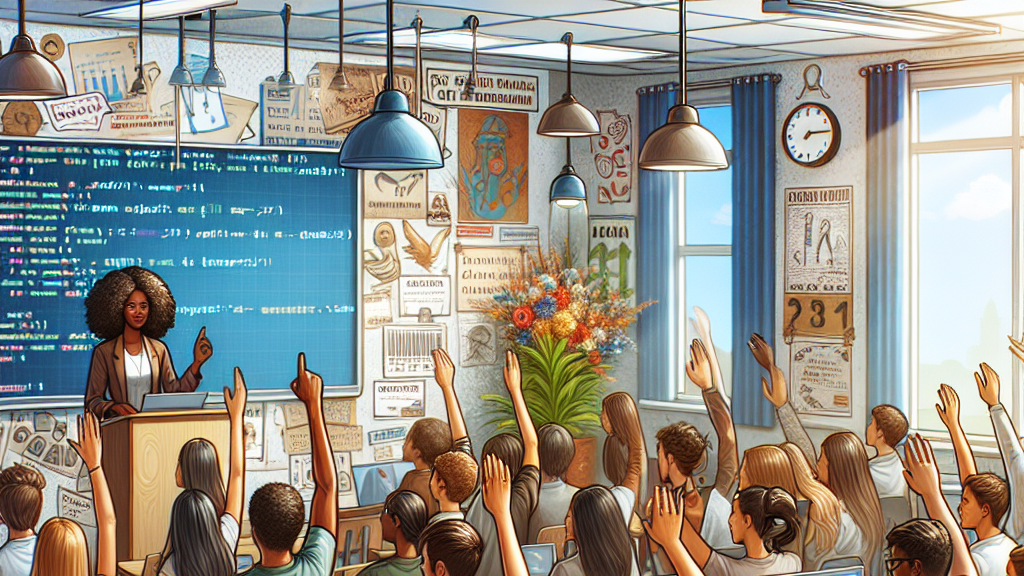
Imagine walking into a classroom where the teacher isn’t just talking but is actually creating something right in front of you. That’s the magic of live coding! It’s like a cooking show, but instead of food, it’s all about code. The idea is to engage students more deeply, making learning to program as exciting as watching a movie unfolding in real time.
This study looks at how live coding can transform the learning experience by making it interactive and dynamic. University instructors, teaching assistants, and students were surveyed on how well this method works. The research found that for live coding to be successful, it’s crucial to have the right tools and supportive classroom environments. A positive community where students feel comfortable to ask questions and engage is key, along with resources that allow teachers to develop these skills effectively.
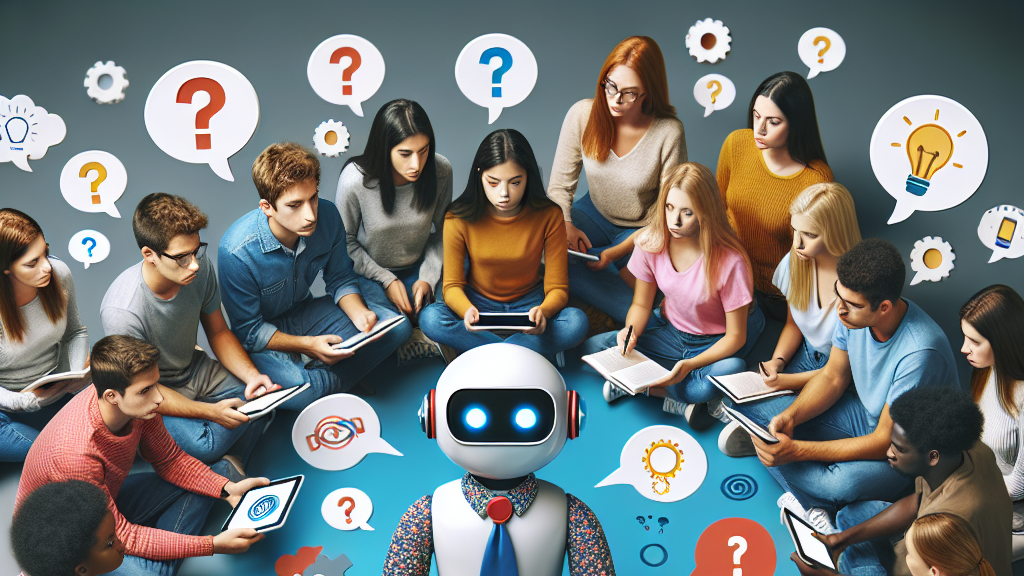
Imagine a future where your kids (or even you) learn programming by actively participating, instead of passively listening. In classrooms that embrace live coding, students could potentially take the lead, coding live themselves while the teacher guides them. Such active participation makes learning not just more fun but also more memorable and impactful, prepping students for real-world coding challenges.
Live coding turns programming education into an interactive, ‘real-time’ experience, like a magic show where the magician explains the tricks!
FAQs
What is live coding and how does it differ from traditional teaching methods?
Live coding is where instructors write code in real-time while students watch, turning a lesson into an interactive experience. Unlike traditional methods where students passively listen, live coding lets them see the process unfold, making the learning more dynamic and engaging.
What are the advantages of using live coding in classrooms?
Live coding makes classes more interactive and engaging for students, boosts their attention, and helps them learn programming skills in a practical setting. It also provides a platform for students to ask questions and participate actively, enhancing their learning experience.
What challenges might educators face with live coding?
Challenges include the need for proper classroom infrastructure, ensuring a supportive environment where students feel safe to engage, and providing teachers with the development tools they need to successfully implement live coding.
How can students benefit from live coding sessions?
Students can benefit by having a clearer understanding of the coding process, seeing real-time problem-solving techniques, and getting immediate feedback from both peers and instructors, which can significantly enhance their programming skills.
What does the future hold for live coding in education?
As technology advances, live coding could become a staple in classrooms, transforming education by making learning more interactive and student-led, ultimately preparing them better for real-world coding tasks.
Background
Live coding involves teaching by writing and explaining software code in real time, making the learning process interactive and practical. This method requires instructors to engage students actively, enabling them to see problem-solving as it happens, rather than just the final code product.
History
While traditional teaching methods involve lecture-based instruction, recent years have seen a shift towards more interactive and engaging approaches, like live coding. This stems from the desire to better prepare students for practical challenges by providing them with real-world problem-solving skills during their education.
Based on “’I Feel Like I’m Teaching in a Gladiator Ring’: Barriers and Benefits of Live Coding in Classroom Settings” by Caroline Berger, David Weintrop, Niklas Elmqvist, available on arXiv (arxiv.org/abs/2504.02585), used under CC BY 4.0 (creativecommons.org/licenses/by/4.0/).