Connect with us

Search by keyword

Computers

Can New Methods Spot Subtle Deepfake Edits?

Deepfake videos are getting sneakier, altering facial expressions in tiny ways that fool most current detection methods. New techniques can now spot these subtle edits, helping protect our privacy and enhance video security.

Can New Methods Spot Subtle Deepfake Edits
✨Researched by humans. Explained by robots. Learn more.

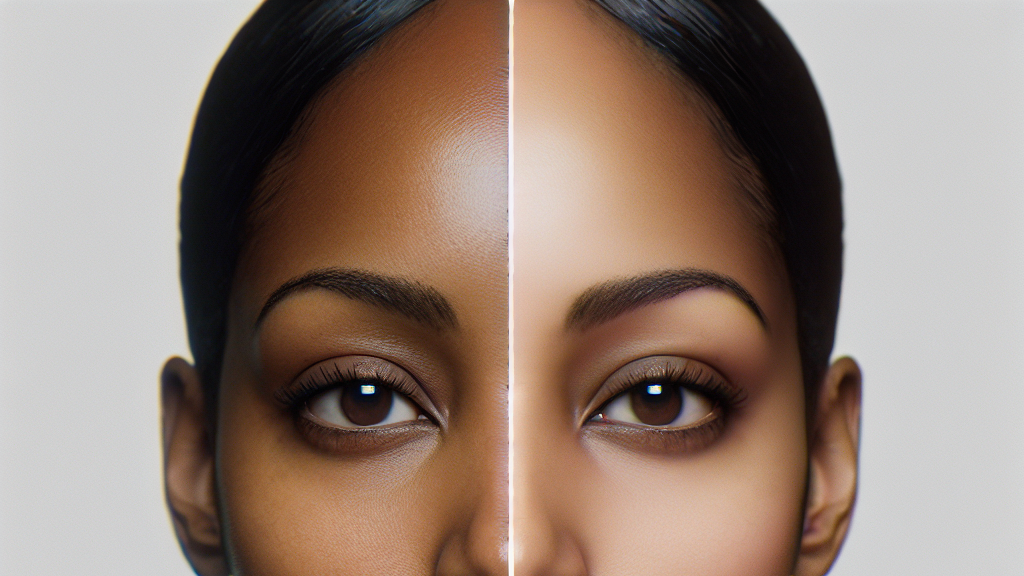
Deepfake technology is getting scarily good. We’ve moved beyond just swapping faces; now, videos can alter expressions so subtly that it’s nearly impossible to tell what’s real. Imagine a video where someone’s eyebrows are raised a bit more, or their smile is a tad different. Those tiny changes can completely alter the context, and most of us won’t even notice.

But fear not! A groundbreaking approach has been developed to tackle this problem. Researchers have created a new detection method specifically designed to spot these sneaky, localized changes. By using clever techniques that look at tiny shifts in facial expressions, this method achieves incredible accuracy in catching what’s real and what’s been tampered with.

This new approach could change the game in how we protect ourselves online. It might not sound like much, but spotting a small change in a video could be the difference between believing a false narrative or knowing the truth. Imagine needing to verify a video’s authenticity before it sways public opinion or gets used as evidence. These tools can play a pivotal role in maintaining our trust in digital content.

Did you know that subtle deepfake edits, like a slight eyebrow raise, can alter video perception and go unnoticed by most detection methods?

FAQs

How do deepfake videos pose privacy concerns?

Deepfake videos can manipulate facial expressions to create misleading content, often without the subject’s consent, impacting personal and public trust.

What makes the new detection method effective against deepfakes?

By focusing on localized changes and facial action units, the new method can spot subtle manipulations that traditional methods often miss, offering a 20% improvement in detection accuracy.

How could this deepfake detection research impact real-world security?

This research could enhance digital security by improving our ability to verify video authenticity, which is crucial for preventing misinformation and protecting privacy in various fields, including media and law enforcement.

Background

Deepfake technology uses AI to create realistic synthetic media by manipulating video and images, often altering facial features. Traditional detection models often struggle to keep up as these videos become more sophisticated, especially with subtle edits that can easily go unnoticed without advanced tools.

History

Early efforts in detecting deepfakes focused on glaring differences in video manipulation, like face swaps. However, as technology advanced, so did the ability to make minuscule changes to expressions, triggering a need for more sophisticated detection methods capable of catching these tiny yet impactful differences.

Based on “Detecting Localized Deepfake Manipulations Using Action Unit-Guided Video Representations” by Tharun Anand, Siva Sankar, Pravin Nair, available on arXiv (arxiv.org/abs/2503.22121), used under CC BY 4.0 (creativecommons.org/licenses/by/4.0/).


Trending

Latest

Can AI Save Water Discover How

Computers

AI is transforming the tech world, but it uses lots of water! A new tool, SCARF, helps us measure and reduce AI's water footprint,...

Whats a Forbush Decrease and Why Should We Care Whats a Forbush Decrease and Why Should We Care

Space

Scientists just observed the biggest solar storm event in years, revealing unexpected cosmic ray patterns. Understanding these changes could help us protect our technology...

Can Cars Spot Danger Faster Than Humans Can Cars Spot Danger Faster Than Humans

Computers

Think about how quickly you react when something unexpected happens on the road. This research brings us closer to creating self-driving cars that can...

Can Fear of the Other Stop Social Harmony Can Fear of the Other Stop Social Harmony

Physics

Fear of the unknown might make it harder for people to agree and get along. This study shows that when people have strong xenophobic...

Can AI Revolutionize Breast Cancer Diagnosis Can AI Revolutionize Breast Cancer Diagnosis

Electricity

This research introduces a groundbreaking AI model that can accurately assess HER2-positive breast cancer using widely accessible staining methods, potentially revolutionizing how we diagnose...

Can AI Transform Your Singing into a Choir Can AI Transform Your Singing into a Choir

Computers

Imagine singing solo and having AI turn you into a choir. This research unveils a groundbreaking AI tool that transforms your voice into rich...

You May Also Like

Computers

Voice patterns can help catch fake audio and protect us from sneaky scams. This study found that certain elements of our speech are surprisingly...

Computers

AI-generated music is on the rise, making it crucial to distinguish between human and machine-made songs. This research delves into the methods and implications...

Computers

AI is set to revolutionize medicine, but what will it mean for patient care and doctor-patient relationships? This research explores both the fantastic potential...

Computers

Curious about how folks in Sweden feel about the future of artificial intelligence? This study reveals that most Swedes believe AI will lead to...

Computers

This research introduces a new method to protect your personal data from wearable health devices, giving you control like never before through blockchain and...

Computers

This research uncovers a smart way to spot deepfakes by catching tiny mismatches between what you see and hear, making our digital world safer!

Copyright © 2024 8ig8rain.

Disclaimer: The content on 8ig8rain.com consists of AI-generated summaries of scientific abstracts from arXiv. Please note that most arXiv abstracts are preprints and may not have undergone formal peer review. While these summaries aim to convey key ideas and potential applications, they are provided for informational purposes only and should not be interpreted as validated scientific findings or professional advice. The summaries are intended to educate, spark curiosity, and inspire further exploration of science.