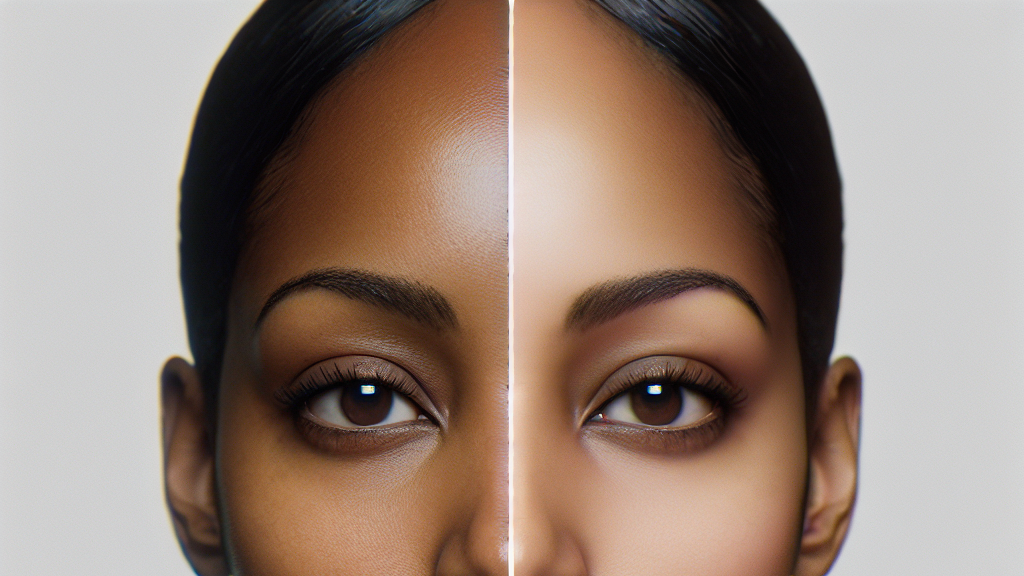
Imagine a world where your voice could be impersonated so perfectly that no one could tell the difference. This isn’t just science fiction—it’s the reality of deepfake audio technology today. As deepfakes become more sophisticated, they’re posing a real threat to our privacy and security. Thankfully, researchers are on the hunt for ways to keep us safe from these super-realistic audio fakes, and they’re turning to the very building blocks of our speech for answers.
The study dives into how certain characteristics of our speech sounds, called segmental features, could be the key to recognizing fake audio. These features are deeply tied to our natural way of speaking, making them tough for even the smartest deepfake models to mimic. While some broad audio features proved less helpful, the segmental features stood out as strong indicators of authenticity. By using methods from forensic science, researchers discovered that these speech elements could play a crucial role in discerning real voices from fakes.
In the future, technologies built around these findings could change how we protect ourselves from voice scams and identity theft. Imagine a world where our smart devices can instantly recognize if the voice on the other end is real or fake, making it much harder for fraudsters to trick us. This study not only shines a light on the vulnerabilities in current audio security but also offers hope for a new wave of protective technology that keeps pace with evolving threats.
Did you know? Your unique way of speaking, down to the smallest sounds, might be the best defense against deepfake audio!
FAQs
How can segmental speech features help in deepfake audio detection?
Segmental speech features are closely related to human articulatory processes and are more challenging for deepfake models to replicate, making them reliable markers for detecting fake audio.
What makes segmental features more effective than global features in identifying deepfakes?
Segmental features capture the nuances of speech that are tied to individual articulation, which are harder for technology to mimic compared to global features that analyze audio on a broader scale.
How might this research apply to everyday technology?
This research could lead to advancements in voice verification systems for smart devices, enhancing security by identifying deepfakes more effectively and protecting users from potential voice-based scams.
Why is deepfake audio a growing concern?
Deepfake audio can be used to impersonate individuals convincingly, leading to potential privacy violations, financial scams, and misinformation threats.
What are forensic voice comparison methods?
Forensic voice comparison methods analyze specific speech features to determine the authenticity of a voice, often used in legal investigations to verify or refute voice identities.
Background
Segmental speech features focus on the individual parts of speech like vowels and consonants, which are shaped by our vocal tract’s movements during speaking. These sounds provide rich data that deepfake models struggle to imitate. By examining these features, scientists can gain insights into a voice’s authenticity, opening up new paths for audio verification.
History
Deepfake technology originally gained attention with the manipulation of video content, and as audio became part of the mix, the focus shifted to identifying unique patterns in sound. Historically, forensic voice comparison methods have been utilized in legal settings, but their adaptation into digital deepfake detection is a novel application that builds on decades of voice analysis research.
Based on “Forensic deepfake audio detection using segmental speech features” by Tianle Yang, Chengzhe Sun, Siwei Lyu, Phil Rose, available on arXiv (arxiv.org/abs/2505.13847), used under CC BY 4.0 (creativecommons.org/licenses/by/4.0/).