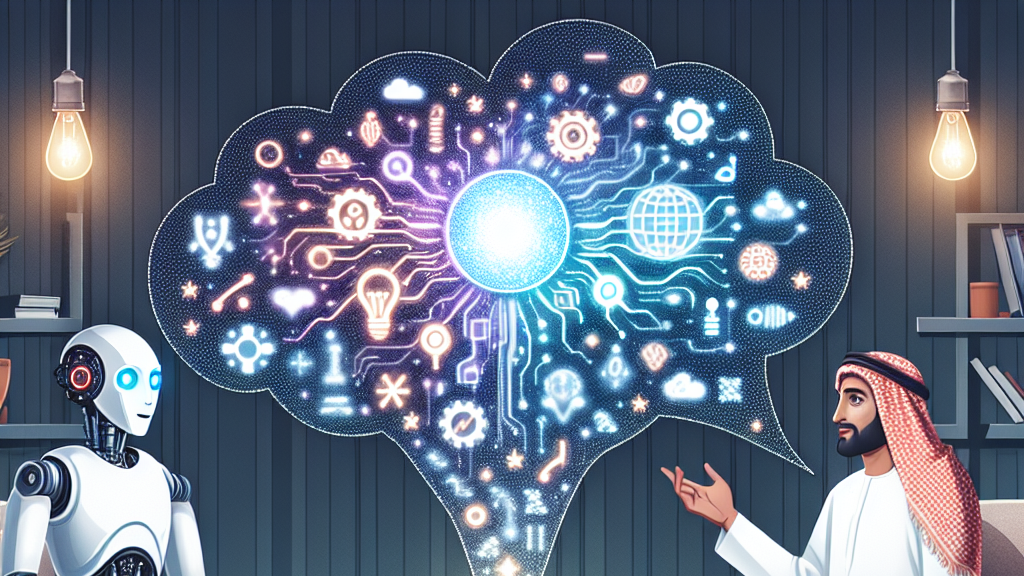
Imagine a world where you talk to a robot like it’s your best friend, sharing secrets and personal stories alike. As futuristic as it sounds, recent research reveals that when we disclose personal information to robots or voice assistants, we do it remarkably similar to how we would with a human friend. This consistency in sharing behavior suggests that we might just be on the verge of building more meaningful relationships with our electronic companions.
In a series of experiments, participants were asked to share personal information with a real person, a humanoid social robot, and a disembodied conversational agent. Through analyzing these conversations, scientists discovered that the themes and the structure of what people revealed remained mostly the same, regardless of whether they were talking to a human or an artificial entity. The findings were fascinating—revealing our comfort and openness in sharing with robots and AI just like we would with people.
So, what does this mean for our future? Imagine talking to your phone or a home robot about your day and feeling genuinely understood—it could revolutionize how we perceive and interact with technology. These advancements might lead to better-designed social robots and digital assistants that provide not only information but also emotional support and companionship, changing how we live and communicate every day.
Did you know? Conversations with robots feel just as personal as those with humans!
FAQs
How does robot embodiment affect personal disclosures?
The study found that whether a person is talking to a humanoid robot, a disembodied voice assistant, or a human, the themes and structure of what they say remain consistent. This suggests that the physical presence or ’embodiment’ of a robot doesn’t significantly alter how we share personal information.
What are the implications of people sharing secrets with robots?
Understanding that people communicate with robots similarly to humans can help improve the design of social robots and digital assistants, making them more capable of forming meaningful interactions and supporting users emotionally, potentially transforming digital communication.
What themes are explored in human-robot conversations?
The research identified consistent themes that people touch upon, regardless of whether they are talking to a human, a humanoid robot, or a voice assistant. This consistency indicates a stable pattern in how we disclose personal information.
Can digital conversations become more personal?
Yes, by leveraging the understanding that we disclose information similarly to humans and robots, developers can create AI and robots that engage in more meaningful and personal conversations with users.
Background
The concept of embodiment in robotics refers to whether a robot is visibly present, like a humanoid, or not, as in the case of voice assistants. This plays a crucial role in human interactions as it influences how we perceive, react, and share information. The study used advanced techniques like sentence embeddings, which help in analyzing the underlying structure of language, to see if how we disclose personal information changes based on the presence of a physical form.
History
Over the years, human-computer interaction has evolved from simple command-based activities to more sophisticated, conversational engagements with AI. Earlier studies focused on how humans interact with disembodied computer voices, like early virtual assistants. This research builds on that foundation by evaluating how embodiment, or the presence of a physical form, affects the way humans communicate with artificial agents.
Based on “Comparing Self-Disclosure Themes and Semantics to a Human, a Robot, and a Disembodied Agent” by Sophie Chiang, Guy Laban, Emily S. Cross, Hatice Gunes, available on arXiv (arxiv.org/abs/2504.06374), used under CC BY 4.0 (creativecommons.org/licenses/by/4.0/).