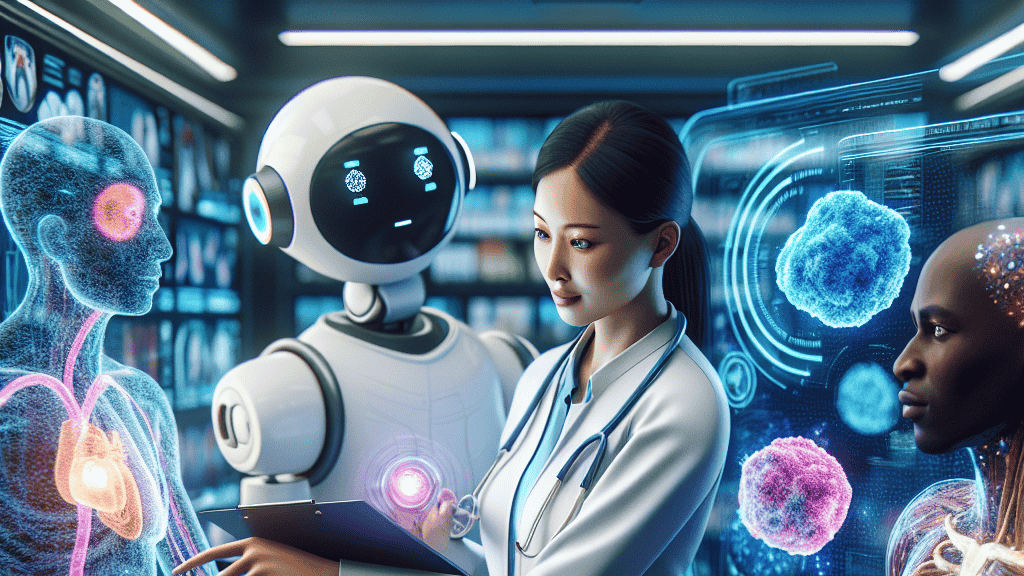
AI is making waves in cancer care, rocking the world of medicine by taking diagnoses to a whole new level. Imagine a tool so powerful, it can help doctors spot cancer before you even show symptoms. That’s right, through smarter imaging and precise analysis, AI is stepping in to save the day, boosting accuracy and sparing patients the waiting game of traditional methods.
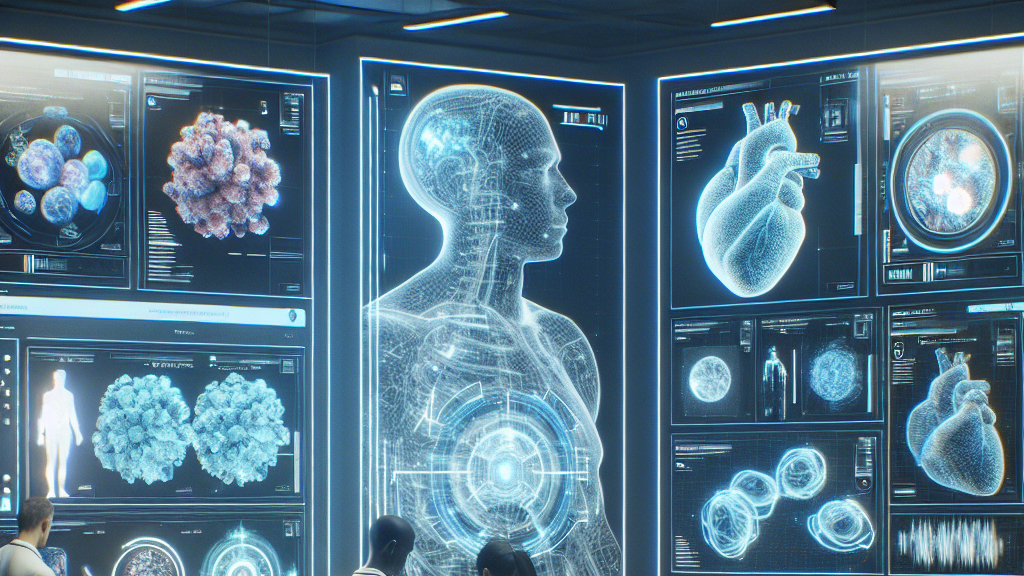
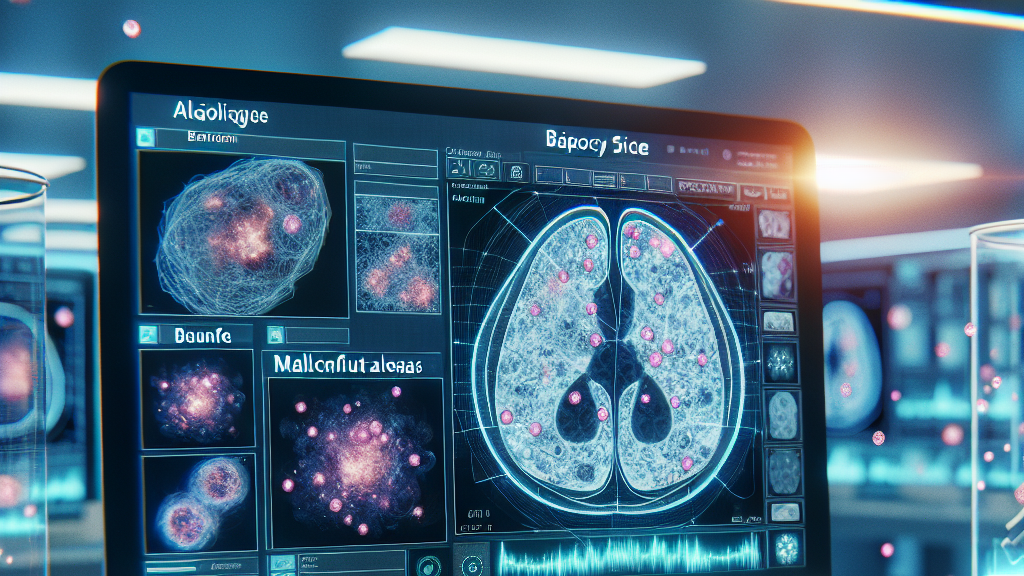
The real magic lies in how AI delves into the complex world of cancer. These intelligent algorithms don’t just scan medical images—they unlock secrets. Think of AI as a detective, examining every pixel to catch what the human eye might miss. From lung to skin cancer, AI is being trained to recognize patterns and predict risks, ensuring doctors have a clearer picture of what’s happening beneath the surface, often with less invasive procedures.
Looking ahead, AI could shine brightest in areas needing a healthcare boost, like remote regions where doctors are scarce. Imagine AI-driven robots that can perform immediate diagnoses or guide doctors through complex treatments halfway across the globe. This tech doesn’t just enhance hospitals’ capabilities but also slashes costs, aiming to bring world-class cancer care to everyone, everywhere.
Did you know? AI algorithms can analyze medical images up to 1000 times faster than a human doctor!
FAQs
How is artificial intelligence changing cancer diagnosis?
AI is changing cancer diagnosis by improving accuracy and speed. It can analyze medical images and patient data to detect cancer earlier than traditional methods, often picking up on subtle cues that even skilled doctors might miss.
Can AI improve cancer treatment options?
Yes, AI can tailor treatment options to individual patients by analyzing genetic data and predicting how different therapies will work. This personalized approach not only improves outcomes but may also reduce side effects.
Why is artificial intelligence important in underserved regions?
In underserved regions, AI can provide critical healthcare support where medical professionals and resources are limited. AI-driven tools can offer real-time diagnostic assistance and analysis, bridging the gap in healthcare access and quality.
What role does AI play in healthcare cost reduction?
AI helps reduce healthcare costs by streamlining diagnosis and treatment processes, reducing the need for expensive tests, and minimizing human errors. These efficiencies lead to better resource allocation, ultimately saving money for both patients and healthcare providers.
How does AI assist in early cancer detection?
AI assists in early cancer detection by analyzing large datasets from medical imaging and genomic studies, identifying patterns that signify early-stage cancers. This capability allows for quicker intervention and potentially more effective treatment.
Background
Artificial intelligence (AI) involves computerized systems that simulate human-like intelligence processes. In healthcare, AI is used in medical imaging to analyze large data sets and identify patterns indicative of diseases. It enhances the capacity for precision diagnostics and personalized medicine by processing complex biological data quickly and accurately. By deciphering images and biological markers that may go unnoticed by the human eye, AI plays a crucial role in advancing medical practices.
History
The journey of AI in healthcare began with its initial use in simple diagnostic tools and has since evolved significantly. Early systems struggled with accuracy and required vast amounts of data and computational power. With advancements in machine learning and computational power, AI systems became more sophisticated, capable of processing large datasets and providing reliable diagnostic and predictive insights. Recent breakthroughs have included AI’s integration into imaging modalities like MRI and CT scans, where it assists in pinpointing abnormalities with greater precision.
Based on “AI in Oncology: Transforming Cancer Detection through Machine Learning and Deep Learning Applications” by Muhammad Aftab, Faisal Mehmood, Chengjuan Zhang, Alishba Nadeem, Zigang Dong, Yanan Jiang, Kangdongs Liu, available on arXiv (arxiv.org/abs/2501.15489), used under CC BY 4.0 (creativecommons.org/licenses/by/4.0/).