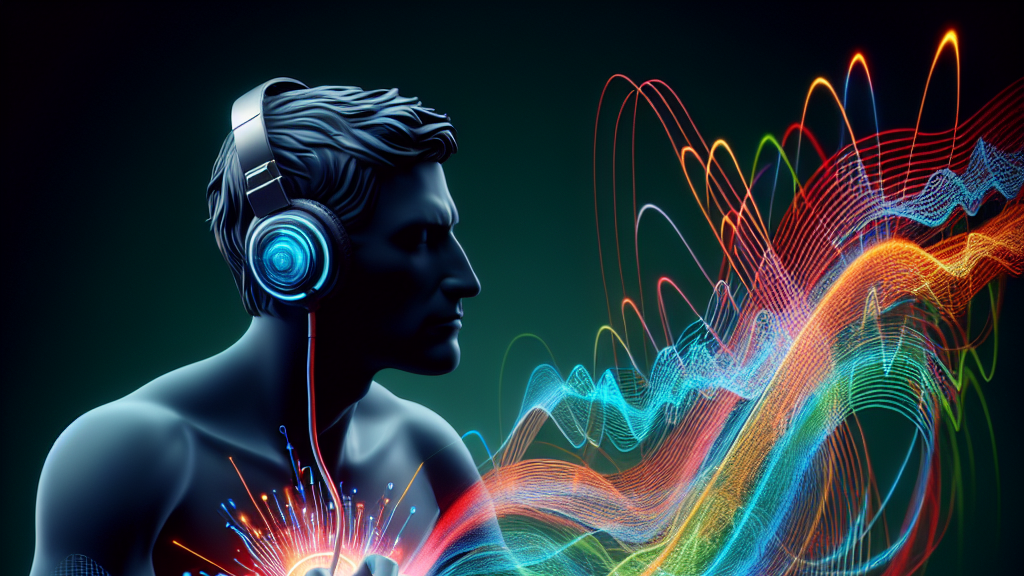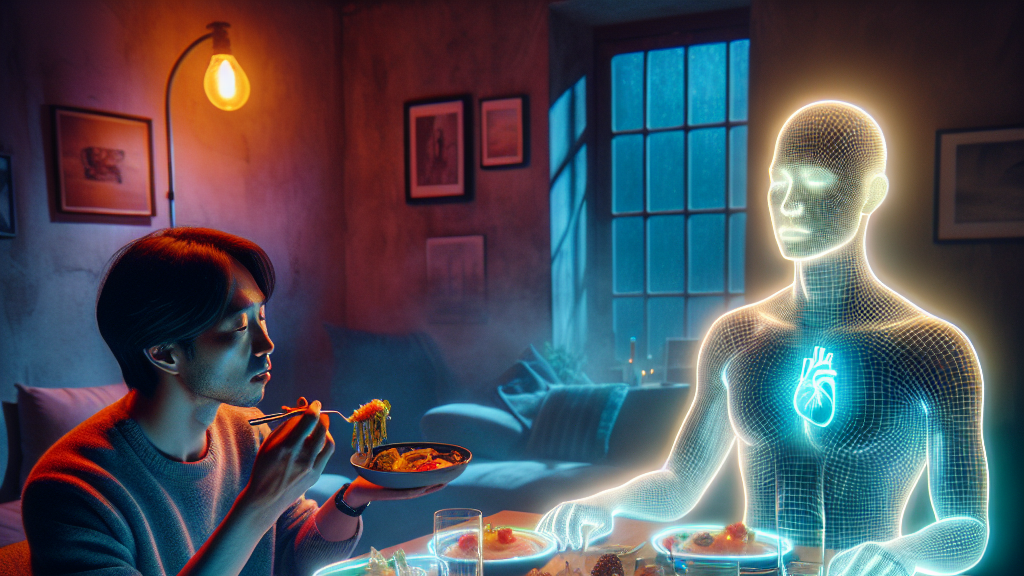
Imagine sitting down for dinner, and as you take a bite, your food glows with the soft, rhythmic colors of your heartbeat. This isn’t just a futuristic fantasy, but a real innovation aimed at making meals more immersive and meaningful. Scientists have found a way to make meals both a feast for the taste buds and the eyes, by linking our heart rates to the food’s appearance.
By using biofeedback, a method where our bodily signals are monitored and used in real-time applications, researchers have strapped real-time heart rate monitors to diners and connected them to LED-lit tableware. As you eat, the colors of the LEDs embedded in the transparent plates and bowls change, reflecting your current physiological state. This unique approach not only captures the attention of diners but encourages them to really savor each bite, heightening awareness and connection with their food.
But this breakthrough isn’t just about individual dining experiences. The researchers have developed a “Sharing Bio-Sync Food” system that synchronizes dining experiences between friends and family. Imagine sharing this glowing feast with loved ones, deepening emotional bonds and creating conversations that glow as warmly as the meals themselves. Soon, dinner might not just be about consuming food, but engaging in a rich, sensory, and social experience.
Did you know? This dining innovation allows your food to glow in sync with your heartbeat, turning mealtime into a mesmerizing light show!
FAQs
How does biofeedback affect dining experiences?
Biofeedback enhances dining by using physiological signals, like heart rates, to create dynamic visual cues, increasing immersion and connection with the meal.
What is the Sharing Bio-Sync Food system?
The system synchronizes heartbeats with dining experiences, promoting social interaction and emotional bonding by linking physiological signals to food presentation.
Why use LED lights in dining?
LED lights provide a visually engaging element by changing color based on heart signals, making meals more interactive and captivating.
How does heart rate influence dining?
Heart rate data transforms into visual feedback on food, making diners more aware of each bite, improving focus, and enhancing emotional connections during meals.
Can this technology be used at home?
While still in development, the potential exists for home dining sets to incorporate this technology, making meals more exciting and interactive for everyday use.
Background
Biofeedback is a process that uses electronic monitoring to convey information about physiological functions like heart rate. By understanding these signals, people can gain awareness and control over certain bodily processes. In this study, researchers used biofeedback to create a sensory dining experience by linking diners’ heart rates with visual elements in food presentation. This not only increased awareness and attention during meals but also fostered stronger emotional connections between diners.
History
Designers and researchers have long been interested in enhancing dining experiences. Early attempts focused on external devices and settings. However, recent technological advancements, particularly in biofeedback, have opened new possibilities. This study stands out because it directly integrates real-time physiological data with the culinary experience, pioneering a new approach to immersive dining.
Based on “Living Bento: Heartbeat-Driven Noodles for Enriched Dining Dynamics” by Weijen Chen, Qingyuan Gao, Zheng Hu, Kouta Minamizawa, Yun Suen Pai, available on arXiv (arxiv.org/abs/2502.06069), used under CC BY 4.0 (creativecommons.org/licenses/by/4.0/).