**Imagine designing a 3D object that feels just right, not too stiff and not too flexible, with little hassle.** Creating lifelike graphics and models isn’t just about how things look; it’s also about how they behave. Until now, adjusting the ‘feel’ of 3D materials—like how stiff or bendy they are—required choosing from complex material equations and parameters.
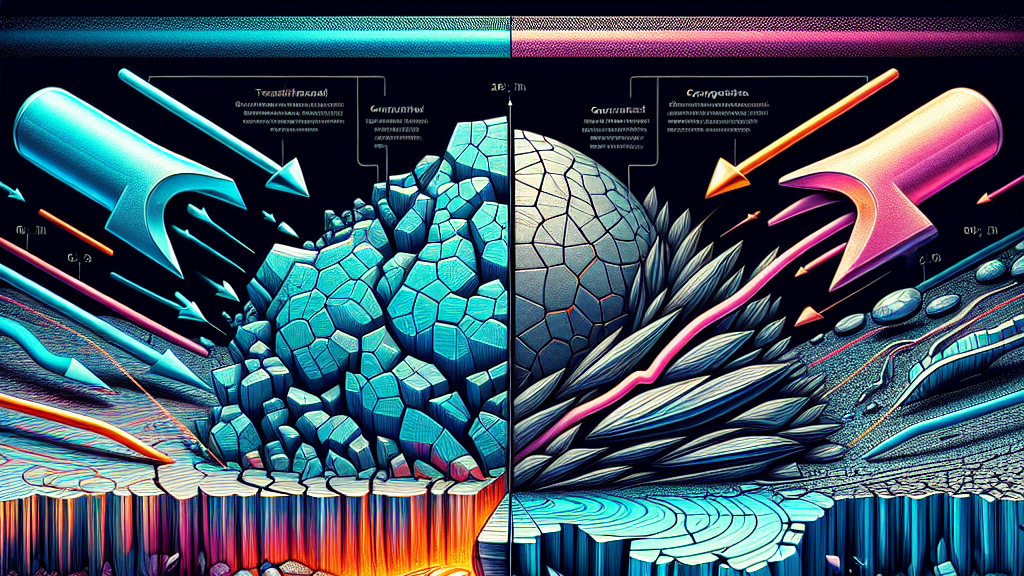
This can be a real headache for designers and engineers working on animations, simulations, and virtual models. But recent scientific discoveries are changing the game. New methods have been found to adjust the main features of materials used in 3D graphics easily, without the usual trial and error of mixing and matching different parameters. This research introduces a way to tweak three main properties—how stiff something is, how much it holds its shape, and how it behaves when stretched—to make designing these materials straightforward and independent of one another. The result? A streamlined process that opens doors for more innovation in computer graphics and engineering.
What makes this breakthrough exciting is its potential impact on other fields too. Beyond just gaming and movies, industries like virtual reality or even architecture could benefit from more realistic and efficient material designs, making virtual experiences more lifelike and saving time in manufacturing processes.
Linear Corotational materials, commonly used in graphics, are the simplest non-linear materials.
FAQs
What surprising discovery did scientists make about 3D materials?
They found a way to independently adjust key properties of 3D materials, making it easier to create realistic models.
How does this research transform 3D graphics?
By separating material properties like stiffness and flexibility, designers can more easily create objects with specific behaviors.
Why does adjusting 3D material properties matter?
It helps create more accurate and realistic animations and models, which are essential for virtual simulations and manufacturing.
Background
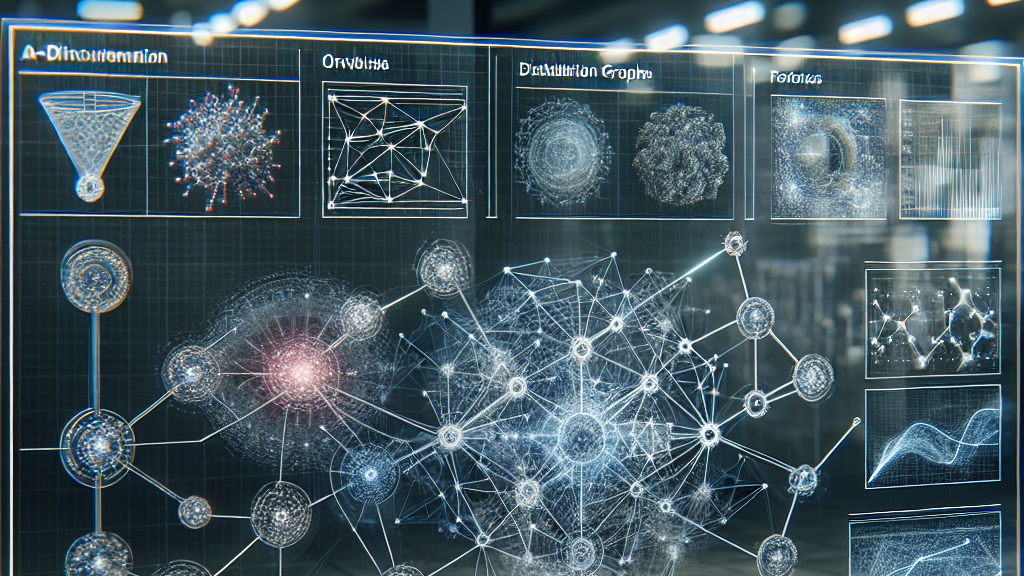
When designing materials in 3D models or graphics, scientists and engineers use mathematical models called ‘material families’ to predict how a material will react under different forces. Each family of materials, like Neo-Hookean or Ogden, uses specific parameters to define behaviors like stiffness and elasticity. However, these parameters can be complex, making it difficult to predict exactly how a material will behave once it is created.
History
In the past, creating realistic materials for 3D models involved choosing a material family and then experimenting with different parameter values until the desired effect was achieved. The process was imprecise, often requiring trial and error. This study builds on past research by providing a clear method to adjust material properties in a more predictable and independent way, streamlining the creation process for 3D material designers.
Based on “Tuning Nonlinear Elastic Materials under Small and Large Deformations” by Huanyu Chen, Jernej Barbic, available on arXiv (arxiv.org/abs/2412.18631), used under CC BY 4.0 (creativecommons.org/licenses/by/4.0/).