Connect with us

Search by keyword

Math

Will Nuclear Power Fail Us Again?

This research highlights how unpredictable nuclear plant outages can disrupt energy systems and shows how a new model can help us foresee and prevent these issues, keeping our power supply stable—even when the weather goes wild.

Will Nuclear Power Fail Us Again
✨Researched by humans. Explained by robots. Learn more.

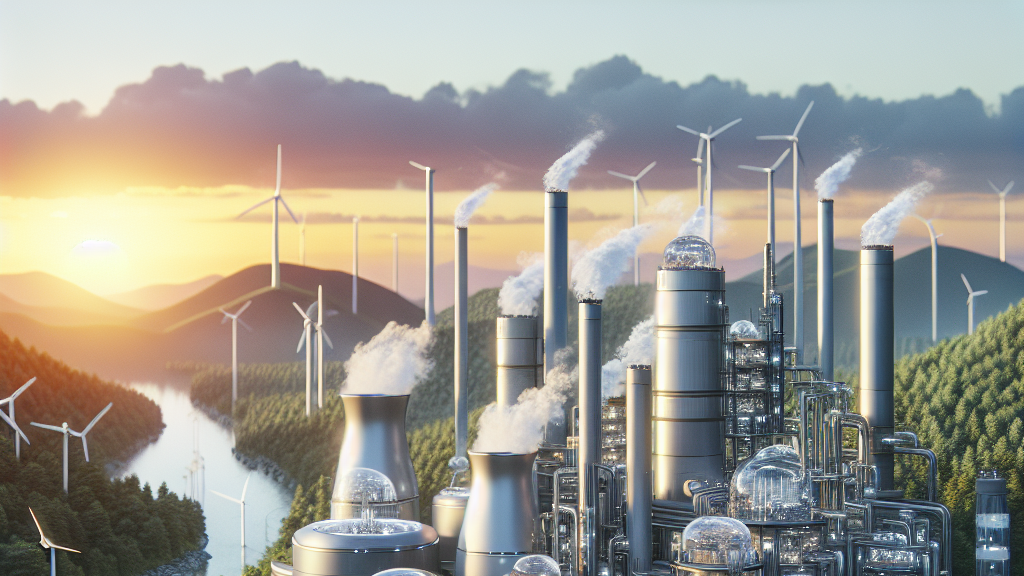
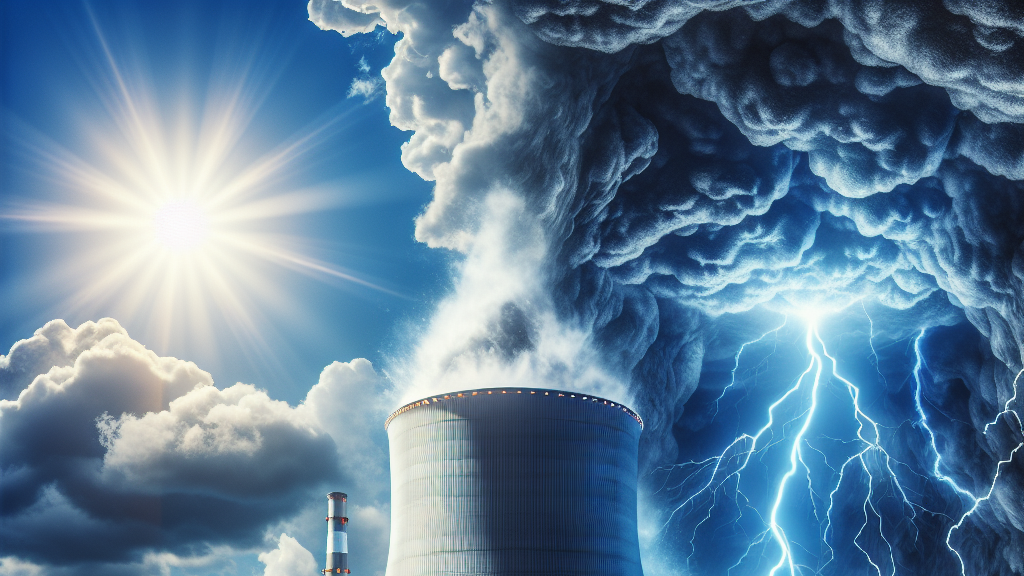
We often think of nuclear power as a reliable and steady source of electricity. But did you know that even nuclear power isn’t immune to unexpected hiccups? Just like how the weather can mess with solar and wind energy, unplanned outages in nuclear plants can also cause headaches for our energy systems. Last year, the French nuclear fleet taught us this valuable lesson when unexpected shutdowns left them scrambling to keep the lights on.

Researchers have developed a groundbreaking model that combines weather uncertainties with nuclear power unpredictabilities. By using a complex method called ‘stochastic optimization,’ they can create scenarios that help policymakers decide how much nuclear power is needed without leaving us in the dark. This model is particularly vital for Northern Europe, which relies heavily on nuclear power and is vulnerable to the whims of nature.

Imagine planning a big music festival, only to have your star performer cancel at the last minute! That’s what unplanned nuclear outages can feel like for countries relying on them. By using this innovative model, energy planners can avoid such last-minute surprises, ensuring a stable energy supply even when facing challenging weather conditions. And guess what? The solution involves more than just nuclear power; it includes bolstering backup options like gas plants. So, the next time there’s a nuclear power glitch, we’ll know exactly how to keep the energy flowing.

Did you know that just one gigawatt of nuclear power is enough to supply electricity to roughly 700,000 homes?

FAQs

What is nuclear power uncertainty and why does it matter?

Nuclear power uncertainty refers to unexpected outages or failures in nuclear power plants, which can disrupt the energy supply. It matters because unexpected outages can cause energy shortages and affect national energy security.

How does this new model help with energy planning?

This model combines weather-related uncertainties with nuclear unpredictabilities, using a method called stochastic optimization. It helps policymakers plan the optimal amount of nuclear power to ensure reliable electricity without unplanned disruptions.

Why is this research important for countries like France?

France heavily relies on nuclear power, and unexpected outages can significantly impact their energy system. This research provides a way to foresee and prevent such issues, ensuring a stable and secure power supply.

Background

Capacity expansion models are tools used by energy planners to predict how much power will be needed in the future and how best to generate it. These models traditionally account for the unpredictable nature of renewable energy sources like wind and solar but have often overlooked the potential for sudden nuclear power outages. The innovative approach combined in this study involves using data-driven methods to model the on-and-off behavior of nuclear reactors.

History

Historically, energy models have focused on the variability of renewable sources. The energy crisis in Europe, particularly the events surrounding the French nuclear fleet in 2022, highlighted the need to include nuclear power outages in these models. This study builds on previous methods by integrating the unpredictability of nuclear into existing weather-related planning models, marking a significant shift in energy policy planning.

Based on “Modeling Robust Energy Systems Considering Weather Uncertainty and Nuclear Power Failures: A Case Study in Northern Europe” by Kamran Forghani, Xiaoming Kan, Lina Reichenberg, Fredrik Hedenus, available on arXiv (arxiv.org/abs/2504.08145), used under CC BY 4.0 (creativecommons.org/licenses/by/4.0/).

Trending

Latest

Can AI Save Water Discover How

Computers

AI is transforming the tech world, but it uses lots of water! A new tool, SCARF, helps us measure and reduce AI's water footprint,...

Whats a Forbush Decrease and Why Should We Care Whats a Forbush Decrease and Why Should We Care

Space

Scientists just observed the biggest solar storm event in years, revealing unexpected cosmic ray patterns. Understanding these changes could help us protect our technology...

Can Cars Spot Danger Faster Than Humans Can Cars Spot Danger Faster Than Humans

Computers

Think about how quickly you react when something unexpected happens on the road. This research brings us closer to creating self-driving cars that can...

Can Fear of the Other Stop Social Harmony Can Fear of the Other Stop Social Harmony

Physics

Fear of the unknown might make it harder for people to agree and get along. This study shows that when people have strong xenophobic...

Can AI Revolutionize Breast Cancer Diagnosis Can AI Revolutionize Breast Cancer Diagnosis

Electricity

This research introduces a groundbreaking AI model that can accurately assess HER2-positive breast cancer using widely accessible staining methods, potentially revolutionizing how we diagnose...

Can AI Transform Your Singing into a Choir Can AI Transform Your Singing into a Choir

Computers

Imagine singing solo and having AI turn you into a choir. This research unveils a groundbreaking AI tool that transforms your voice into rich...

You May Also Like

Physics

Switching to electricity-based technology like heat pumps and electric cars makes our energy use much more efficient and sustainable. By doing this, we can...

Economics

This research shows how salt caverns can store hydrogen to stabilize renewable energy systems, potentially powering between 43% and 85% of global electricity needs,...

Physics

Imagine removing carbon dioxide from the air and turning it into something useful like graphite, which can then help make renewable energy more affordable...

Physics

Turning atmospheric carbon dioxide into valuable graphite could be a game-changer, helping to fight climate change while also profiting and boosting renewable energy.

Physics

Imagine using carbon dioxide from the air to create graphite—helping the planet, generating profit, and boosting renewable energy.

Electricity

Imagine a world where quantum technology helps keep your lights on, even when the weather makes solar or wind power unpredictable. This research introduces...

Math

Imagine a future where wind and battery systems reliably power your home round-the-clock. This research shows how renewable energy sources matched with smart battery...

Computers

Imagine using kites to generate electricity, even on windy days! This exciting research explores how simple kites, guided by smart learning algorithms, could revolutionize...

Electricity

An exciting new approach combines AI with energy management to lower electricity costs, even when wind power is unpredictable, ultimately saving money and enhancing...

Copyright © 2024 8ig8rain.

Disclaimer: The content on 8ig8rain.com consists of AI-generated summaries of scientific abstracts from arXiv. Please note that most arXiv abstracts are preprints and may not have undergone formal peer review. While these summaries aim to convey key ideas and potential applications, they are provided for informational purposes only and should not be interpreted as validated scientific findings or professional advice. The summaries are intended to educate, spark curiosity, and inspire further exploration of science.