Did you know that the iron in your brain could be changing as you get older? This fascinating study reveals that older adults have more iron in certain parts of their brain, which might impact how their brain tissue functions. This discovery helps us understand the mysterious ways iron levels shift as we age.
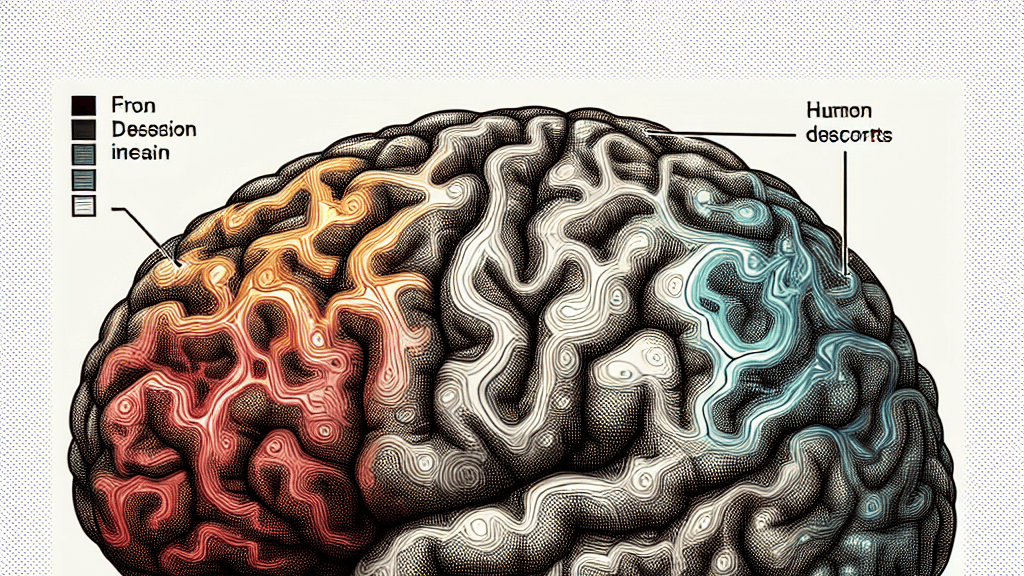
Researchers explored this using advanced imaging techniques that measured how the brain tissue of older adults and younger adults behaves differently. They found that parts of the brain called grey matter showed higher values in older adults, possibly due to increased iron. This iron seems to affect both the complexity of brain tissue and how clear the imaging signals are, offering a new perspective on the aging brain.
Imagine if we could use this knowledge to better understand the aging process or even improve brain health as we get older. For example, this research might one day help guide treatments or lifestyle changes to keep your brain sharper and healthier for longer periods. It’s a glimpse into how unraveling such secrets can have a positive impact on our everyday lives.
The human brain contains more iron than any other organ, and its levels can affect how different regions of the brain communicate and function.
FAQs
What unexpected discovery did scientists make about iron in the brain?
Scientists discovered that older adults have more iron in certain brain areas called grey matter, which might influence brain function and health.
How do brain tissues behave differently in older adults?
In older adults, brain tissues in certain areas exhibit higher complexity and different imaging signal quality, potentially due to increased iron levels.
What are the potential implications of these findings?
These findings could help us understand the aging process better and lead to strategies to maintain brain health and prevent age-related conditions.
Background
The study focused on measuring ‘mean kurtosis,’ a term that describes the complexity of brain tissue structure, and R2*, which gives an idea of iron content in the brain. Advanced imaging techniques, like multi-shell diffusion and multi-echo gradient echo, were used to study these properties in the brain’s grey and white matter. Both types of matter play essential roles in brain function, with grey matter involved in processing information and white matter in connecting different brain regions.
History
Research into brain iron levels has a long history, with the understanding that iron is crucial for many brain functions yet can accumulate with age. Previous studies have looked at iron as a factor in neurodegenerative diseases such as Alzheimer’s. This current study refines our understanding by comparing iron levels and brain structure complexity between younger and older adults, highlighting how iron could affect brain health in the aging population.
Based on “Associations between iron and mean kurtosis in iron-rich grey matter nuclei in aging” by Jason Langley, Kitzia Solis, Vala Masjedizadeh, Ilana Bennett, Xiaoping P. Hu, available on arXiv (arxiv.org/abs/2501.04706), used under CC BY 4.0 (creativecommons.org/licenses/by/4.0/).